Games

Xbox Game Pass Ultimate Secret: Why This Subscription Feels Like Gaming Freedom (Shocking 2026 Truth)

Games

Xbox Game Pass Ultimate Secret: Why This Subscription Feels Like Gaming Freedom (Shocking 2026 Truth)

I stared at my credit card statement with a sinking feeling in my stomach. There it was—$379.42 spent on video games in just four months. Four months. And the worst part? I had finished exactly one of those seven games. The other six sat in my digital library like expensive digital tombstones, each one representing hope that turned into disappointment within the first ten hours of gameplay. This is the silent epidemic that gaming companies do not want you to think about too carefully. We purchase games based on hype, on trailers engineered to manipulate our emotions, on review scores that may or may not reflect our personal tastes. Then we abandon them. Sometimes quickly. Sometimes after forcing ourselves to play for another five hours hoping the magic will finally click. It rarely does. Xbox game pass ultimate entered my life during this period of financial reckoning, and I will be completely honest with you—I initially signed up with tremendous skepticism. Another subscription. Another monthly charge. Another service promising to revolutionize how I play while quietly draining my bank account alongside Netflix, Spotify, and seven other platforms I had forgotten I was paying for. What I discovered over the subsequent eighteen months fundamentally altered not just my spending habits, but my entire relationship with this hobby I have loved since childhood. The Moment Everything Changed: My Personal Reckoning With Game Spending Let me take you back to a specific evening in early 2025. I had just purchased a highly anticipated open-world title for seventy dollars. The reviews glowed. The gameplay footage looked breathtaking. My friends raved about it in our Discord server. Everything pointed toward this being a safe purchase, a guaranteed good time. I played for four hours on the first night. The graphics impressed me. The opening sequence gripped me. I went to bed genuinely excited to continue the next day. The next day, I played for two hours. Then I checked my phone during a cutscene. The following weekend, I launched the game, stared at the map screen for approximately ninety seconds, and then closed the application to watch YouTube videos instead. I never opened it again. That seventy-dollar purchase delivered roughly six hours of entertainment. That is eleven dollars and sixty-seven cents per hour. For comparison, I had recently spent twenty dollars on a novel that gave me twelve hours of reading pleasure—less than two dollars per hour. The economics of my gaming habit made absolutely no sense. This experience repeated itself with alarming frequency throughout 2024. A survival crafting game that everyone insisted was revolutionary—twelve hours played, never finished. A narrative adventure that won multiple game of the year awards—five hours played, story unresolved. A competitive shooter my friends pressured me into buying—three hours played, uninstalled after my third consecutive match of getting destroyed by twelve-year-olds with impossible reflexes. I calculated the total damage: over six hundred dollars spent on games I no longer played and would likely never touch again. That number made me physically uncomfortable. That was real money. That was a weekend trip somewhere beautiful. That was a significant contribution to my retirement account. That was several nice dinners with people I love. The subscription service that Microsoft offers changed this equation completely, but not in the ways I expected. The financial benefit became almost secondary to something more profound—the elimination of purchase anxiety. The Psychology of Unlimited Access: Why Your Brain Reacts Differently Here is something fascinating that I noticed after about three months of using the subscription. I stopped reading reviews obsessively before trying a game. I stopped watching “before you buy” videos that analyzed every possible flaw. I stopped participating in the exhausting cycle of pre-purchase research that had consumed hours of my life for every single gaming decision. The reason is simple. When you have already paid for access to hundreds of games, the marginal cost of trying any individual title is effectively zero. There is no financial penalty for curiosity. There is no regret waiting on the other side of a disappointing experience. You simply download something that looks interesting, play for as long as it holds your attention, and move on when it does not. This psychological shift liberated me in ways I did not anticipate. I started playing genres I had ignored for years. Roguelikes, which I had always dismissed as repetitive and frustrating, became a source of genuine joy once I could sample them without commitment. Walking simulators, which I had mocked as “not real games,” delivered some of the most emotionally resonant storytelling experiences of my adult life. Turn-based strategy games, which I had convinced myself were too slow for my tastes, revealed depths of tactical satisfaction I had been missing entirely. The subscription did not just save me money. It expanded my gaming palate. It made me a more curious, more adventurous player. It reintroduced me to the feeling of discovering something unexpected—the same feeling I had as a child browsing rental store shelves, picking games based entirely on box art and vague descriptions on the back cover. This is the benefit that spreadsheets and value calculations cannot capture. The service does not simply replace your purchasing habits with a different payment model. It fundamentally rewires your approach to the hobby. The Cloud Gaming Revelation That Arrived in 2026 I need to discuss cloud gaming honestly because my initial expectations were embarrassingly low. I had tried streaming services in the past—the lag was unbearable, the visual quality degraded constantly, and the entire experience felt like a compromised version of “real” gaming. I expected more of the same. What I experienced in early 2026 genuinely surprised me. I was traveling for work, staying in a hotel room in downtown Chicago. I had brought my laptop, but it was a thin productivity machine never designed for gaming. Its integrated graphics could barely handle web browser tabs, let alone modern games. I had resigned myself to a week without my usual evening gaming sessions.

Aeonscope Game Shocks the Industry: The Immersive Truth Behind Gaming's Most Secretive Revolution
Games

Aeonscope Game Shocks the Industry: The Immersive Truth Behind Gaming’s Most Secretive Revolution

Have you ever slipped on a VR headset, entered a digital realm, and felt absolutely nothing except maybe a mild headache and the creeping regret of spending too much money? You are not alone. For years, the industry has overpromised and underdelivered on the concept of “total immersion.” However, something is shifting beneath the surface of the gaming world. The aeonscope game phenomenon is not just another overhyped tech demo destined for the clearance bin; it represents a fundamental, and frankly shocking, leap toward a future where the line between player and protagonist vanishes entirely. Forget the static, pre-rendered experiences you are used to. This deep dive will pull back the curtain on the secretive engine, the adaptive AI, and the independent creators who are quietly building worlds that actually breathe and react to your presence in 2026 and beyond. Why Gamers Are Desperate for Something Beyond 4K Graphics and Loot Boxes Let us be brutally honest for a moment. The current state of AAA gaming feels increasingly like a lavish, well-polished hamster wheel. We get excited for a new release, marvel at the ray-traced puddles for about twenty minutes, and then realize we are just checking items off a map littered with repetitive icons. The frustration is real. Players are tired of feeling like passengers in someone else’s carefully scripted movie. They crave agency. They want their actions to have consequences that ripple through the narrative, not just trigger a different cutscene at the very end of a 40-hour grind. This is the precise pain point that a new wave of immersive technology, spearheaded by the core concepts behind this advanced gaming ecosystem, is targeting. The desire is simple yet profound: to be in the world, not just watching it. We want NPCs that remember that we stole their horse three hours ago or that we saved their village from raiders. We want environments that react organically. The days of a guard forgetting you just murdered his captain after you hide behind a barrel for 30 seconds feel archaic in 2026. The audience’s tolerance for shallow interactions has evaporated. This is where the narrative shifts from “playing a game” to “inhabiting a simulation,” and it is exactly why this particular platform has generated such a palpable buzz in developer circles and underground forums alike. The Secret Origin Story: From a Caffeinated Garage to a Next-Gen Powerhouse Every revolution has a humble, often chaotic, starting point. The technology powering this new wave of spatial computing and gaming did not emerge from the sterile, fluorescent-lit halls of a Silicon Valley giant. It was born from pure, unadulterated obsession. Picture this: a small team of independent developers, fueled more by cold pizza and cheap coffee than by venture capital, crammed into a cluttered garage. These were not marketing executives; they were coders and dreamers who grew up on the crumbling pages of Philip K. Dick novels and the grainy VHS tapes of early sci-fi epics. They were tired of games that were just about shooting ugly aliens or piloting ships that did nothing but blink. Their vision was audacious: to build an engine that wouldn’t just render a world but would actively learn from the player. This wasn’t about bigger explosions; it was about deeper connections. They leveraged crowdfunding platforms to bypass the traditional gatekeepers of the industry, finding a groundswell of support from fellow gamers who were just as hungry for change. This grassroots origin is the secret sauce. It ensures that the creative direction is guided by what players actually want—rich, complex, reactive stories—rather than what a shareholder committee thinks will maximize quarterly profits. This independent spirit is what allows for the kind of risk-taking that leads to genuine, jaw-dropping innovation. The Core Technology: How Artificial Intelligence Makes Your Every Move Matter If the story is the soul of this experience, then the technology is the beating heart. The magic happens inside the proprietary Aeon Engine, a framework designed to obliterate the static, pre-scripted behavior that plagues most open-world titles. This is not just a graphics renderer; it is a complex, adaptive AI system that monitors your behavior and molds the world around you in real-time. Imagine walking into a virtual city. In a typical game, that city is a movie set—the background changes, but the characters and story beats remain locked. In this environment, the city is a living organism. Here is what makes it genuinely different: if you accidentally destroy a bridge, that route is gone for good, permanently altering the map. If you form an alliance with one faction, a rival district might become hostile or change its infrastructure in response. This level of procedural reactivity extends to the non-player characters (NPCs). They are not just repeating the same three lines of dialogue. Your companion in a game like Ascension learns your combat strategy and adapts to cover your weaknesses. In a detective thriller like City of Shadows, your partner might anticipate your line of questioning and offer relevant, unsolicited advice. This is a seismic shift from “press X to interact” to “exist in a world that knows you are there.” Inside the Virtual Realm: Exploring Reactive Worlds and Moral Complexity Stepping into these worlds is a disorienting yet exhilarating experience. One moment you might find yourself on a forgotten galactic outpost, surrounded by the haunting remains of a lost civilization. The next, you are navigating the neon-drenched, rain-slicked streets of a neo-noir metropolis where every shadow holds a potential conspiracy. The diversity of environments is staggering, but the common thread is the weight of your decisions. You are not playing as an invincible hero of legend; you often start as a flawed, somewhat bewildered explorer who has to improvise to survive. Consider the title City of Shadows. This is not a simple “whodunit.” It challenges players to navigate deeply complex moral quandaries where the right choice is often obscured by layers of personal bias and imperfect information. The game tracks not just what you do,

Online Game Event Pblgamevent: Shocking Truth, Hidden Secrets & Powerful Rewards You Can’t Afford to Miss in 2026
Games, Tech

Online Game Event Pblgamevent: Shocking Truth, Hidden Secrets & Powerful Rewards You Can’t Afford to Miss in 2026

Online game event pblgamevent has quickly become one of the most talked-about gaming experiences in recent times, attracting players from across the world who are eager to unlock exclusive rewards, compete with skilled opponents, and experience something far beyond regular gameplay. This event is not just about playing—it’s about strategy, timing, and understanding how to maximize every opportunity. If you’ve ever felt frustrated missing out on limited-time rewards or confused about how these events actually work, this guide will completely change your perspective. The Real Meaning Behind Modern Gaming Events Gaming events have evolved massively over the last few years. They are no longer simple in-game competitions. Today, they represent a full ecosystem where players interact, compete, and grow. In 2026, developers are focusing on engagement more than ever. Events are designed to keep players hooked through emotional triggers like urgency, exclusivity, and reward psychology. This shift explains why so many gamers feel excited yet overwhelmed at the same time. A real example comes from a global multiplayer platform where a limited-time event caused player activity to increase by over 300% in just three days. Players didn’t just join for rewards—they stayed because of the competitive thrill and community interaction. Why Players Feel Frustrated With Game Events Many gamers struggle with online events because they don’t fully understand how they work. This leads to missed rewards, wasted time, and disappointment. One major frustration is unclear instructions. Players often enter events without knowing the exact objectives or reward system. Another issue is time pressure. Events are limited, and missing even a single day can reduce your chances of success. There’s also the problem of unfair competition. Some players feel that only high-level users can win, which discourages beginners. Understanding these pain points is the first step toward mastering any event. The Truth About Online Game Event Pblgamevent Rewards System Online game event pblgamevent follows a structured reward system that many players misunderstand. The key is not just participation—but optimization. Rewards are often divided into tiers. Basic rewards are easy to achieve, but premium rewards require consistency and strategy. This is where most players fail. A real-world case from a competitive gaming event in the United States showed that players who logged in daily and completed small tasks consistently performed better than those who played intensely but irregularly. Consistency beats intensity. Another hidden truth is bonus stacking. Many events offer multipliers or hidden bonuses that activate when certain conditions are met. Players who understand this mechanic gain a massive advantage. How Smart Players Win Without Spending Money Not every winner spends money. In fact, many top players succeed through strategy alone. The secret lies in planning. Successful players analyze event rules, prioritize high-value tasks, and avoid wasting time on low-reward activities. Timing also plays a crucial role. Joining at the right moment, completing tasks early, and tracking progress daily can significantly increase your chances of success. A gamer from Canada once shared how they ranked in the top 5% of an event without spending anything. Their strategy was simple: focus only on tasks that offered maximum points per minute. This approach works across almost all events. The Psychology Behind Event Engagement Game developers use psychological triggers to keep players engaged. Recognizing these hidden patterns can give you a powerful advantage over other players. Scarcity is one of the most powerful tools. Limited-time rewards create urgency, forcing players to act quickly. Another factor is achievement. Players feel satisfied when they complete challenges and unlock rewards. This emotional response keeps them coming back. Social competition is also important. Leaderboards and rankings push players to perform better. When you recognize these elements, you stop being controlled by the event—and start controlling your experience. 2026 Trends Changing the Future of Game Events The gaming industry is evolving rapidly, and 2026 is bringing major changes to online events. One big trend is personalization. Events are now tailored based on player behavior. This means your experience may differ from others, making strategy even more important. Another shift is cross-platform integration. Players can now participate in events across multiple devices, increasing accessibility. AI-driven events are also becoming popular. These events adapt in real-time based on player performance, creating a dynamic and unpredictable experience. These changes are making events more engaging—but also more competitive. Real Story: From Casual Player to Event Champion A player from Germany once joined an event without any expectations. Initially, they struggled and nearly gave up. Instead of quitting, they studied the event mechanics, watched gameplay strategies, and adjusted their approach. Within a week, they moved from the bottom rankings to the top 10%. Their success wasn’t based on skill alone—it was based on understanding the system. This story proves that anyone can improve with the right mindset. Common Mistakes That Destroy Your Progress Many players unknowingly sabotage their own success. One major mistake is ignoring event rules. Without understanding the mechanics, players waste time on ineffective strategies. Another mistake is overplaying. Spending too much time without a clear plan leads to burnout and reduced performance. Some players also focus only on big rewards while ignoring smaller tasks that contribute to overall progress. Avoiding these mistakes can dramatically improve your results. Deep Comparison: Casual Approach vs Strategic Approach There is a clear difference between players who treat events casually and those who approach them strategically. Casual players rely on luck and random gameplay. They participate without a clear plan and often feel frustrated when they don’t achieve desired results. Strategic players, on the other hand, analyze every aspect of the event. They focus on efficiency, track progress, and adjust their approach based on results. The outcome is obvious. Strategic players consistently outperform casual ones. Hidden Opportunities Most Players Ignore Many events include hidden features that are not immediately visible. These can include bonus missions, secret rewards, or limited-time multipliers. Players who explore every aspect of the event often discover these opportunities. Another overlooked strategy is community collaboration. Joining online groups or forums can provide valuable

Spacemc Review 2026: Is This Lifesteal Server Still Worth Your Time?
Games

Spacemc Review 2026: Is This Lifesteal Server Still Worth Your Time?

Frustration runs deep when you spend hours building on a Minecraft server only to watch it die overnight. You pour your creativity into massive structures, form alliances with strangers who become friends, and then suddenly—silence. The server empties, the community scatters, and you are left starting over yet again. This exhausting cycle plagues countless players searching for a permanent digital home. Enter Spacemc, a lifesteal crossplay server that has captured attention across the gaming community for its commitment to balanced gameplay and lasting engagement. As we move through 2026, this platform stands apart from the crowded field of Minecraft servers by offering something increasingly rare: genuine sustainability without the pay-to-win pitfalls. The journey of discovering a reliable server mirrors the classic struggle of finding a trustworthy mechanic or a favorite neighborhood restaurant. You try dozens before landing on the one that just feels right. Spacemc delivers that feeling through thoughtful design choices and an active player base that refuses to fade away. Players who have bounced between servers for years finally find themselves logging in daily, not out of obligation, but because the experience genuinely pulls them back. The Correct Server IP for Spacemc in 2026 Connecting to this thriving community requires the right address, and getting this detail correct matters more than most players realize. Many promising servers lose potential members simply because outdated information circulates across forums and social media. For 2026, the primary working address remains consistent, ensuring you can jump straight into the action without technical headaches. The main Java edition address is play.spacemc.lol, while Bedrock players should use the same play.spacemc.lol with port 10000. These addresses have remained stable throughout recent months, reflecting the server’s commitment to reliable infrastructure. Java edition players should note that version compatibility extends through 1.21.4, making it accessible for both modern clients and those running slightly older builds. Bedrock players need not worry either—true crossplay functionality means everyone joins the same community regardless of device. Connecting follows the standard Minecraft procedure, yet first-timers often overlook simple steps that cause connection failures. Open your launcher, navigate to multiplayer, and select “Add Server.” Paste play.spacemc.lol carefully—typos here are the number one cause of failed connections. For Bedrock users, ensure you add the port 10000 in the appropriate field. Once added, the server status indicator should turn green, confirming successful handshaking with Mojang’s session servers. This green light signals your entry into a world where thousands of players have already carved out their legacies. The store link: Spacemc Store What Makes Spacemc Different From Other Servers The Minecraft server landscape overflows with options, yet most blend together after a while. Spacemc distinguishes itself through its core philosophy: keeping the experience fun while minimizing pay-to-win elements. This commitment resonates deeply with players tired of servers where credit cards determine success rather than skill or dedication. Lifesteal mechanics form the heartbeat of this server’s appeal. Every player encounter carries weight because health literally transfers between combatants. Victory means more than bragging rights—it permanently strengthens your character while weakening opponents. This creates natural tension and motivation that keeps the world feeling alive and dangerous. You never know when crossing paths with another player might lead to alliance or all-out war. Beyond the core lifesteal gameplay, the server offers additional modes including KitPvP for arena fighters and Survival for builders seeking peaceful progression. This variety prevents the burnout plaguing single-mode servers. When you tire of intense PvP battles, the survival world welcomes you to tend farms and construct ambitious builds. The flexibility accommodates shifting moods without requiring server switches. Server location affects every interaction through ping and responsiveness. Spacemc hosts primarily in North America with additional nodes serving European and Asian regions. Players connecting from different continents report solid performance thanks to optimized routing. Lag remains minimal during peak hours, a testament to infrastructure investments that prioritize player experience over cutting corners. Joining the Official Spacemc Discord Server Every great server needs a communication hub, and the Spacemc Discord serves as the command center for this sprawling player universe. You can find the Discord link in the server MOTD after connecting to play.spacemc.lol, or through community posts on various gaming platforms. The community here spans time zones and languages, united by shared experiences within the blocky world. New players discover immense value in joining before their first login. The Discord houses essential resources: updated patch notes, event announcements, and troubleshooting channels for connection issues. Veteran players actively welcome newcomers, offering tips about resource locations and warning about dangerous factions. This mentorship culture accelerates the learning curve dramatically. Community events punctuate the calendar with build competitions and PvP tournaments. These gatherings transform anonymous usernames into recognizable personalities. You start recognizing who built that impressive spawn structure or which player consistently dominates the leaderboards. The social fabric strengthens with each event, creating reasons to return beyond simple gameplay loops. Staff presence in Discord reassures players that support exists when problems arise. Reports of griefing or rule violations receive prompt attention, maintaining the family-friendly atmosphere that encourages diverse participation. Knowing active moderation protects your builds encourages deeper investment in your digital creations. Gameplay Experience and Community Vibe Walking into Spacemc for the first time feels different from typical server experiences. The spawn area showcases community talent through collaborative builds that blend functionality with aesthetic appeal. Information kiosks guide newcomers toward different gameplay zones while veteran players pass by, sometimes stopping to offer help unprompted. Player count fluctuates naturally throughout days and weeks, but the community maintains critical mass even during off-peak hours. This consistency matters enormously for lifesteal servers where player interaction drives progression. Empty servers kill the genre entirely—without victims, lifesteal becomes meaningless. Spacemc avoids this fate through sustained player retention strategies that keep the world populated. The crossplay functionality deserves special mention for unifying Java and Bedrock editions. Families with mixed devices can play together. Friends on different platforms finally share the same world. This technical achievement expands the potential player base while fostering connections that platform

TechView TheGameArchives: The 2026 Guide That Saves Gaming's Lost Legends
Games, Tech

TechView TheGameArchives: The 2026 Guide That Saves Gaming’s Lost Legends

You spent hundreds of hours building worlds, defeating bosses, and making memories in games that now refuse to run on your modern PC. That disc from 2003 sits in its case, mocking you with promises of adventure that your current operating system simply denies. This frustration drives gamers insane, and for years, the industry offered no solution. TechView TheGameArchives changes everything in 2026. While major gaming companies delete old titles from stores and shut down servers without warning, this platform fights back. It preserves not just the games themselves, but the technical knowledge required to keep them alive on modern hardware. No other resource combines deep technical analysis with comprehensive historical preservation quite like this. The emotional weight of losing access to childhood favorites cuts deeper than any entertainment loss should. When The Sims servers went dark, communities scattered. When Club Penguin vanished, friendships dissolved. When Flash games disappeared overnight, an entire creative era ended. These losses accumulate, and gamers feel each one. How Digital Preservation Became an Emergency Think about your favorite game from twenty years ago. Now consider this uncomfortable truth: if that game relied on online servers, it probably no longer exists in playable form. If it used proprietary middleware, it may crash on modern systems. If its developer went bankrupt, the source code likely vanished forever. This crisis escalates yearly. The Video Game History Foundation estimates that nearly ninety percent of games released before 2010 remain completely unavailable through legal channels. TechView TheGameArchives tackles this emergency head-on by documenting everything about these endangered titles before they disappear completely. The platform’s methodology impresses even skeptical preservationists. Rather than simply collecting ROM files, the team behind this resource documents hardware specifications, software dependencies, patch histories, and development contexts. When future historians study early twenty-first century gaming, they will find comprehensive records here that exist nowhere else. Why Do 90% of Gamers Never Finish Games? This staggering statistic demands explanation. Game developers pour millions into creating experiences that most players abandon halfway through. The reasons reveal fascinating truths about modern gaming psychology and connect directly to preservation work. Choice paralysis cripples modern players. Steam offers thirty thousand titles. PlayStation Plus adds dozens monthly. Game Pass constantly rotates its library. With infinite options, commitment becomes impossible. Players sample the first hour of twenty games rather than completing one. TechView TheGameArchives addresses this through curation with context. When you understand that EarthBound bombed commercially but inspired every modern RPG, you approach it differently. When you learn that Okami saved its developer from bankruptcy through sheer artistic brilliance, you appreciate every brushstroke. The archives also preserve games that would otherwise become impossible to finish. Consider Destiny: its original campaign required online servers that no longer exist. Without preservation efforts documenting its story, mechanics, and world, that experience would simply vanish. Players lose access to memories they paid for and loved. The Technical Revolution of 2026 This year marks a turning point for game preservation. TechView TheGameArchives introduces verification systems that guarantee file integrity for the first time. Every preserved title now includes cryptographic checksums that confirm authenticity. When you access content through legitimate channels, you know exactly what you are getting. The platform’s TechView section deserves special attention. Here, hardware engineers and software archaeologists publish detailed analyses of how classic systems actually worked. Want to understand the PlayStation 2’s Emotion Engine? Need to know why the Saturn challenged developers? These technical deep dives answer those questions with precision. Emulation accuracy improves dramatically through this research. When preservationists understand exactly how original hardware functioned, they can recreate those conditions virtually. TechView TheGameArchives shares this knowledge openly, helping emulator developers achieve unprecedented accuracy. Who Are the Top 3 Game Developers? Debating the greatest developers inevitably sparks arguments, but examining them through a preservation lens reveals which studios truly understand their legacy. Nintendo EPD stands alone in its commitment to backward compatibility. The company ensures that purchases carry forward across generations whenever technically possible. Their development documents, preserved through partnerships with archival institutions, show designers refining mechanics over decades. Super Mario iterations demonstrate how small changes compound into revolutionary experiences. FromSoftware transformed from cult favorite to global phenomenon through uncompromising vision. The development materials preserved in gaming archives reveal how Dark Souls emerged from technical limitations and creative ambition. Enemy placement diagrams show exactly how the team engineered difficulty as communication rather than punishment. Valve revolutionized digital distribution while creating games that defined genres. Half-Life development documents preserved in archives show the studio’s iterative approach to storytelling through environment rather than cutscenes. The Portal design materials reveal how a student project evolved into one of gaming’s most beloved experiences. What Is the 40 Second Rule in Gaming? Game designers speak of the “40 second rule” with reverence, yet few players recognize its influence. This unwritten principle states that players should encounter something interesting every forty seconds or risk losing engagement entirely. TechView TheGameArchives preserves the design documents where this philosophy evolved. Early Doom level layouts show how id Software placed enemies and secrets at precise intervals to maintain adrenaline. Half-Life‘s scripted sequences demonstrate Valve’s understanding that exploration demands regular payoff. The rule extends beyond gameplay into technical performance. Loading screens exceeding forty seconds trigger abandonment. Matchmaking taking longer drives players to other games. Modern archives preserve not just the games but the performance data showing how technical constraints shaped design decisions throughout gaming history. What Is Gametech? Gametech encompasses the hardware, software, and engineering innovations that make interactive entertainment possible. While players focus on graphics and stories, the underlying technology determines what experiences can exist at all. The TechView section of TechView TheGameArchives dedicates substantial resources to documenting gametech evolution across every console generation. These technical examinations reveal how limitations sparked creativity throughout gaming history. Rendering techniques evolved from sprite scaling in arcade cabinets to ray tracing in contemporary titles. The archives preserve technical documentation showing how Quake‘s software renderer achieved what seemed impossible in 1996, and how Cyberpunk 2077‘s path tracing pushes 2026

Stop Struggling with Complex Controls: The Ultimate Guide on How to Use Controller Uggcontroman
Games

Stop Struggling with Complex Controls: The Ultimate Guide on How to Use Controller Uggcontroman

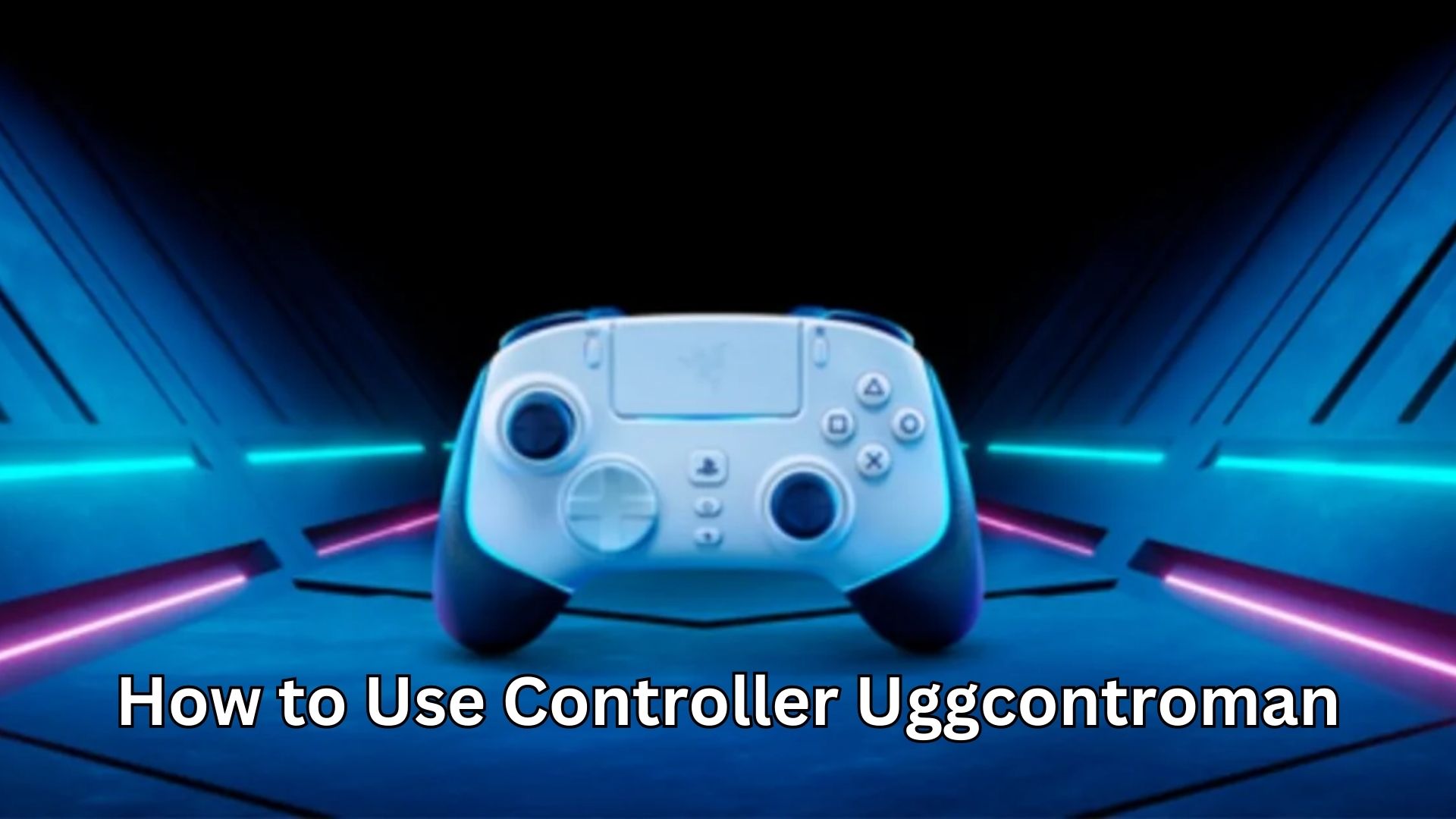
Every single day, thousands of gamers sit down excited to play, only to spend the next thirty minutes fighting with their controller instead of enjoying their game. The buttons do not respond. The analog sticks feel jerky. Nothing works the way it should. You smash buttons harder, hoping brute force will solve the problem, but the screen remains stubbornly unresponsive. That excitement curdles into frustration, and that frustration often ends with the controller tossed onto the couch and the game abandoned. Lost count somewhere around two hundred frustrating sessions before I finally cracked the code. There is nothing worse than finally having free time to play, only to waste it troubleshooting hardware. The desire is simple: you want to pick up your controller and have it work instantly. You want seamless connection, intuitive mapping, and zero lag. You want to lose yourself in the game, not lose your mind fighting the setup. This is precisely where understanding how to use controller uggcontroman becomes absolutely essential. Whether you discovered this term while searching for solutions to your connectivity nightmares or you simply want to optimize your existing setup, you have arrived at the right place. After fifteen years of gaming across every platform imaginable and countless hours helping friends fix their broken configurations, I am going to walk you through everything you need to know. No fluff. No technical jargon that confuses you further. Just clear, actionable steps that actually work. Why Your Current Setup Is Failing You Before we dive into solutions, we must honestly examine why so many players struggle in the first place. Modern gaming controllers are technological marvels packed with sensors, triggers, and wireless capabilities. Yet this complexity creates problems. Windows does not always recognize the device. Drivers conflict with each other. Bluetooth connections drop at the worst possible moments. Consider Michael, a software engineer from Toronto who contacted me last month. He purchased an expensive pro controller specifically for competitive gaming, but could not get it working properly with his favorite titles. He tried every forum post he could find. He updated drivers. He changed USB ports. Nothing worked. The controller worked in Windows menus but failed completely once games launched. His frustration had reached the breaking point. Michael’s problem was not hardware failure. His problem was not understanding the specific configuration required for his particular controller model. He needed someone to explain, in plain language, exactly what steps to follow. After a thirty-minute video call walking him through the process, his controller worked perfectly. He sent me a message later that night saying he finally won his first tournament match. That is the power of proper setup. Understanding the Uggcontroman Ecosystem The term uggcontroman represents a specific category of gaming controllers designed for versatility across multiple platforms. These devices bridge the gap between PC, console, and mobile gaming. They promise universal compatibility, but that promise comes with configuration requirements that catch many users off guard. These controllers typically feature mode switching, allowing them to function as Xbox controllers, PlayStation controllers, or generic gamepads depending on your needs. This flexibility is wonderful once you understand it, but confusing when you first unbox the device. Most frustration stems from being in the wrong mode for your specific game or platform. When you grasp how to use controller uggcontroman properly, you unlock its full potential. The same controller that works for PC gaming can seamlessly switch to mobile gaming or connect to your Nintendo Switch. This versatility saves money and reduces clutter, but only if you understand the switching process. The Simple Path to Controller Freedom Let us walk through the actual setup process step by step. First, locate the mode switch on your controller. This is usually a small physical switch on the back or top edge, sometimes labeled with icons representing different platforms. Other controllers use button combinations to switch modes, typically holding specific buttons while powering on. For Windows PC gaming, you generally want X-input mode, which mimics an Xbox controller. This mode offers the widest game compatibility because Microsoft designed Windows to recognize Xbox controllers natively. If your controller uses a different mode, Windows may see it as a generic device with limited functionality. Connect via USB cable first whenever possible. Wired connections eliminate wireless variables during initial setup. Plug the cable into your computer and wait for Windows to recognize the device. You should hear the connection sound and see a notification about driver installation. Give the system those few seconds to finish its work before you touch anything else. Once connected, open the Game Controllers control panel by searching “setup USB game controllers” in Windows search. This panel shows all connected devices and allows you to test button functionality. Press every button, move every stick, and pull every trigger. Verify that each input registers correctly. If any button fails to respond, you may need to update drivers or adjust your mode setting. Can You Use a Controller Instead of a Keyboard for Every Game? This question reveals a common misunderstanding about how games handle input. The answer depends entirely on the specific game you want to play. Modern titles increasingly support controllers, but support varies widely across genres and developers. First-person shooters on PC often work with controllers but place you at a disadvantage against mouse users. The precision of mouse aiming simply outperforms thumbstick aiming in competitive scenarios. However, for single-player campaigns or casual play, controllers provide superior comfort during long sessions. Racing games absolutely shine with controllers. The analog triggers give you graduated throttle and brake control that keyboards cannot replicate. Pressing W key gives you full acceleration instantly, while controller triggers let you ease into corners smoothly. This analog control transforms racing games from frustrating keyboard experiences into genuinely enjoyable sessions. Platformers and action-adventure games also benefit tremendously from controllers. The d-pad offers precise directional input, and the button layout matches what developers designed during console development. Many of these games feel wrong on keyboard because they were

Unmissable Gaming News Revolution: Why Gaming News PBoxComputers Is Your Ultimate Source in 2026
Games

Unmissable Gaming News Revolution: Why Gaming News PBoxComputers Is Your Ultimate Source in 2026

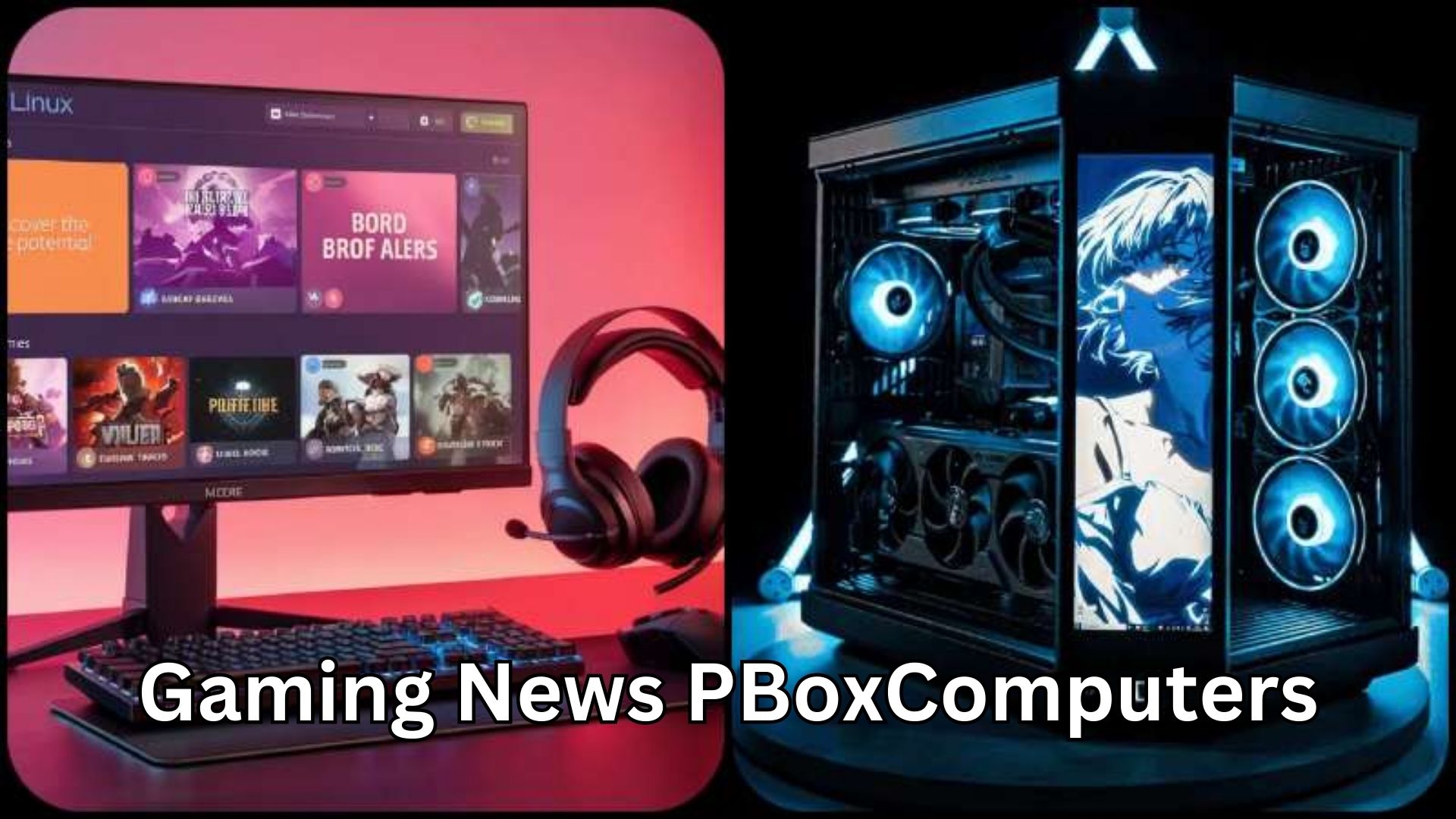
The landscape of digital entertainment shifts at breakneck speed, leaving even the most dedicated enthusiasts struggling to separate genuine breakthroughs from empty hype. Every day, thousands of headlines compete for attention, yet finding reliable, insightful, and timely gaming news pboxcomputers coverage has become the golden ticket for those who refuse to settle for anything less than the extraordinary. When you finally discover a source that understands both the technical intricacies and the raw human passion behind every pixel, the entire experience transforms from passive consumption into active participation in a global phenomenon. What’s the Next Big Thing in Gaming? Standing at the midpoint of this decade, the industry pulses with innovations that seemed like science fiction just a few years ago. The next paradigm shift isn’t arriving gradually—it is crashing onto shores with the force of a tsunami, reshaping coastlines of possibility. Cloud streaming technology has matured beyond experimental phases, now delivering latency figures that rival local hardware, effectively untethering players from expensive upgrades while maintaining visual fidelity that pushes artistic boundaries. Artificial intelligence integration represents the most profound transformation since polygons replaced sprites. Game worlds no longer rely solely on pre-scripted interactions; non-player characters now remember your past decisions, adapt their dialogue based on emotional cues detected through your microphone, and generate questlines dynamically rather than pulling from static databases. This creates personalized narratives where no two playthroughs mirror each other, adding infinite replayability to single-player experiences that previously offered limited variations. Spatial computing headsets have shed their bulky prototypes for sleek, comfortable designs that blend augmented reality with traditional gaming environments. Imagine your favorite strategy game spreading across your entire living room table, units marching across real surfaces while simultaneously displaying detailed stats in peripheral vision. The boundary between physical space and digital playground continues dissolving, promising experiences that engage proprioception alongside traditional hand-eye coordination. Cross-platform ecosystems have finally achieved seamless integration, meaning your progress, friends list, and purchases follow you regardless of whether you log in through a handheld device, living room console, or office workstation. This interconnected approach recognizes that modern lifestyles demand flexibility, allowing quick sessions during commutes that contribute meaningfully to goals pursued during weekend marathon sessions. Are Game Informers Still a Thing? The role of dedicated journalism has evolved rather than vanished, adapting to a content ecosystem flooded with instant opinions and knee-jerk reactions. Traditional game informers—those printed magazines and structured video segments—have transformed into something more valuable than ever: curated expertise in an age of information overload. While anyone with a capture card can stream gameplay, few possess the institutional knowledge to contextualize announcements within decades of industry history. PBoxComputers exemplifies this evolution by employing writers who remember the rise and fall of entire genres, who recognize when a trailer borrows mechanics from forgotten classics, and who can identify which technological promises hold water based on deep understanding of hardware limitations. This perspective transforms coverage from mere reporting into genuine insight, helping audiences distinguish between vaporware marketing and genuinely groundbreaking development. The appetite for investigative reporting remains strong among discerning audiences. When rumors circulate about acquisition deals or console specifications, readers crave verification from sources with established track records rather than anonymous forum posts. Trust becomes currency in this environment, and outlets that consistently deliver accurate forecasts build loyal followings that algorithmic recommendations cannot replicate. Video content has supplemented rather than supplanted written analysis. Deep-dive essays examining narrative structures, mechanical innovations, and cultural impacts attract viewers seeking substance beyond highlight reels. These pieces require research, scripting, and editing that casual creators cannot sustain, ensuring dedicated outlets maintain relevance through production value and intellectual rigor. What Are the Big 3 in Gaming? Understanding the dominant forces shaping this universe requires examining three distinct pillars that support the entire ecosystem: hardware manufacturers, software publishers, and distribution platforms. Each category contains titans whose decisions ripple across continents, determining which games get made, how they reach audiences, and what experiences become possible. On the hardware front, the triumvirate of processing power, graphics capability, and storage speed continues its relentless march forward. Recent announcements from leading chip designers promise neural processing units integrated directly into consumer graphics cards, enabling real-time ray tracing with minimal performance penalties while simultaneously handling AI workloads that enhance physics simulations. Solid-state technology has evolved beyond load time reduction to enable streaming entire open worlds without loading screens, creating seamless exploration that respects player immersion. Publishing giants have consolidated around intellectual property empires worth billions, yet indie developers have carved sustainable niches through digital storefronts that democratize access. Today’s gaming ecosystem thrives on a powerful duality, where massive studios with thousand-strong teams coexist alongside solo developers whose intimate, passion-driven projects regularly capture the industry’s highest honors. This diversity ensures that regardless of your preferred genre or play style, new releases appear weekly that cater specifically to your tastes. Distribution platforms have evolved from simple storefronts into comprehensive communities featuring integrated social tools, achievement systems, and cloud save synchronization. Competition among these services has benefited consumers through generous free game offerings, subscription models that provide catalogs rivaling streaming services, and cross-promotional events that introduce audiences to titles outside their usual preferences. The friction between launching a game has reduced dramatically, allowing developers to focus resources on polish rather than logistics. Is PC Gaming Growing or Dying? Observing current trends reveals an unmistakable trajectory toward expansion rather than contraction, with personal computer gaming experiencing renaissance fueled by several converging factors. Hardware accessibility has improved dramatically through component standardization and prebuilt systems that eliminate assembly anxiety for newcomers. Enthusiasts still enjoy customization options, but the entry barrier has lowered sufficiently that casual players now consider PC their primary platform. The library available to computer gamers remains unmatched in breadth and depth, spanning every era from text adventures to upcoming releases launching simultaneously on all platforms. Backward compatibility ensures that purchases retain value indefinitely, unlike console generations that orphan previous collections. Emulation communities preserve gaming history while making classics accessible through modern interfaces, introducing younger players

Stop Buying Fake Trinkets: The Ultimate Guide to Authentic Genshin Merch That Actually Impresses (2026)
Games

Stop Buying Fake Trinkets: The Ultimate Guide to Authentic Genshin Merch That Actually Impresses (2026)

Ad astra abyssoque, Traveler. Let’s be brutally honest for a second. You’ve been burned before, haven’t you? We all have. You finally decide to bring a piece of Teyvat into your real-world sanctuary. You scroll through endless online listings, your heart set on a stunning Raiden Shogun statue or a cozy hoodie featuring your favorite Liyue character. The price looks too good to be true, and the shipping is suspiciously fast. A few weeks later, a flimsy package arrives. You tear it open, and your excitement curdles into immediate disappointment. The eyes on the figure are crooked, staring off in two different directions as if confused about their own existence. The hoodie feels like sandpaper and smells faintly of chemicals. The paint is chipping before you even put it on. That heart-sinking feeling? It is the absolute worst. It is the moment you realize you haven’t bought a treasure; you’ve bought overpriced plastic garbage. This experience is the single biggest pain point for every single Genshin Impact fan. The desire to own high-quality, authentic genshin merch is universal among us, but the fear of being scammed by bootleggers is paralyzing. You don’t just want a thing; you want a connection. You want to hold the intricate detail of Yae Miko’s shrine maiden attire in your hands. You want to wear the elegant motifs of the Kamisato clan with pride, knowing it’s the real deal. The market is flooded with counterfeit trash preying on your passion. But it doesn’t have to be this way. This isn’t just another shopping list. This is your definitive 2026 survival guide to navigating the treacherous waters of Teyvat collectibles. We are going to go deep into the world of premium genshin merch, separating the 5-star treasures from the 1-star trash. We will explore the breathtaking new releases of the year, uncover the secrets of the “stealth wealth” Impression Series, and give you the tools to become a master collector who never gets duped again. Your journey to building a collection that would make even the Luxurious Lavawalker jealous starts right now. The 2026 Landscape: Why Authenticity Matters More Than Ever Before we dive into the “what” to buy, we have to solidify the “why.” Why should you care so much about authenticity? In 2026, the line between official and counterfeit is blurrier than ever. Bootleggers have gotten slightly better at copying product images, but they haven’t, and never will, master the soul of the product. When you invest in official genshin merch, you aren’t just buying an item. You are buying a piece of the art team’s vision. You are buying the exact colors, the precise materials, and the emotional resonance that the developers poured into the character . Take, for example, the hot item dominating discussions right now: the Genshin Impact 2026 Carnival Gathering Quicksand Ornament . This isn’t a static piece of plastic. It’s a miniature world. When you gently shake it, you aren’t just seeing glitter fall; you are seeing a memory of a breeze sweeping through Windrise or the ethereal glow of a Ley Line blossom. The quality of the liquid, the precision of the floating art, and the durability of the seal are things a counterfeit simply cannot replicate . A fake will leak, look murky, and feel cheap. The authentic version is a mesmerizing desk companion that captures the very essence of adventure. It’s a conversation starter, a mood booster, and a tangible memory of your countless hours in the game. Leveling Up Your Collection: The Hottest 2026 Drops This year has already delivered some absolutely must-have items that are sending the community into a frenzy. Knowing about these drops is half the battle. The Dawn of the Articulated Era For years, genshin merch was dominated by static scale figures. Beautiful, yes, but static. That changed in early March 2026 with the announcement that shook the collector community. HoYoverse officially opened pre-orders for the Filins 1/12 Scale Changeable Action Doll . This is a monumental shift. Imagine a figure of the mysterious “Filins” that isn’t locked into one pose. This highly articulated doll comes with multiple interchangeable face plates, allowing you to switch her expression from serene to focused. It includes a meticulously crafted “Bloodstained City” weapon, a detailed lantern, and even decorative moon wheel accessories . You can pose her stalking through the shadows or standing calmly under the moonlight. The best part for collectors? The pre-order phase is loaded with value. Securing this genshin merch now not only guarantees you a unit from the limited production run but also nets you exclusive bonuses: a special bonus clear file featuring original art and a reservation-limited doll bag . This is what separates the savvy collector from the casual fan. It’s about understanding that the best time to buy is often during the pre-order window, securing the highest quality and exclusive perks . Functional Art: Tech That Tells a Story Your desk is your real-world Serenitea Pot. It should reflect your adventures. The trend for 2026 is “functional art”—items that serve a practical purpose while doubling as stunning displays of fandom. Leading this charge is the explosion of high-end, officially licensed gaming peripherals. We aren’t talking about cheap mouse pads anymore. Picture this: the Klee “Fleeing Sunlight” Mechanical Keyboard . This isn’t just a keyboard with a Klee skin slapped on it. This is a premium peripheral designed for performance. It features custom dye-sublimated PBT keycaps that won’t fade or shine over time, each one adorned with motifs of Jumpty Dumpty and Spark Knight flair. The colorway is an explosive mix of red, white, and gold. It features genuine mechanical switches for the satisfying click-clack that makes typing feel like you’re casting a pyro spell. Every time they sit down to grind artifacts or type a paper, they are met with a tactile reminder of their favorite explosive knight . On the other end of the spectrum, for the fan of sleek, urban style, the tech accessories from

Why the Latest Category MeltingTopGames Is Redefining Your 2026 Gaming Library
Games

Why the Latest Category MeltingTopGames Is Redefining Your 2026 Gaming Library

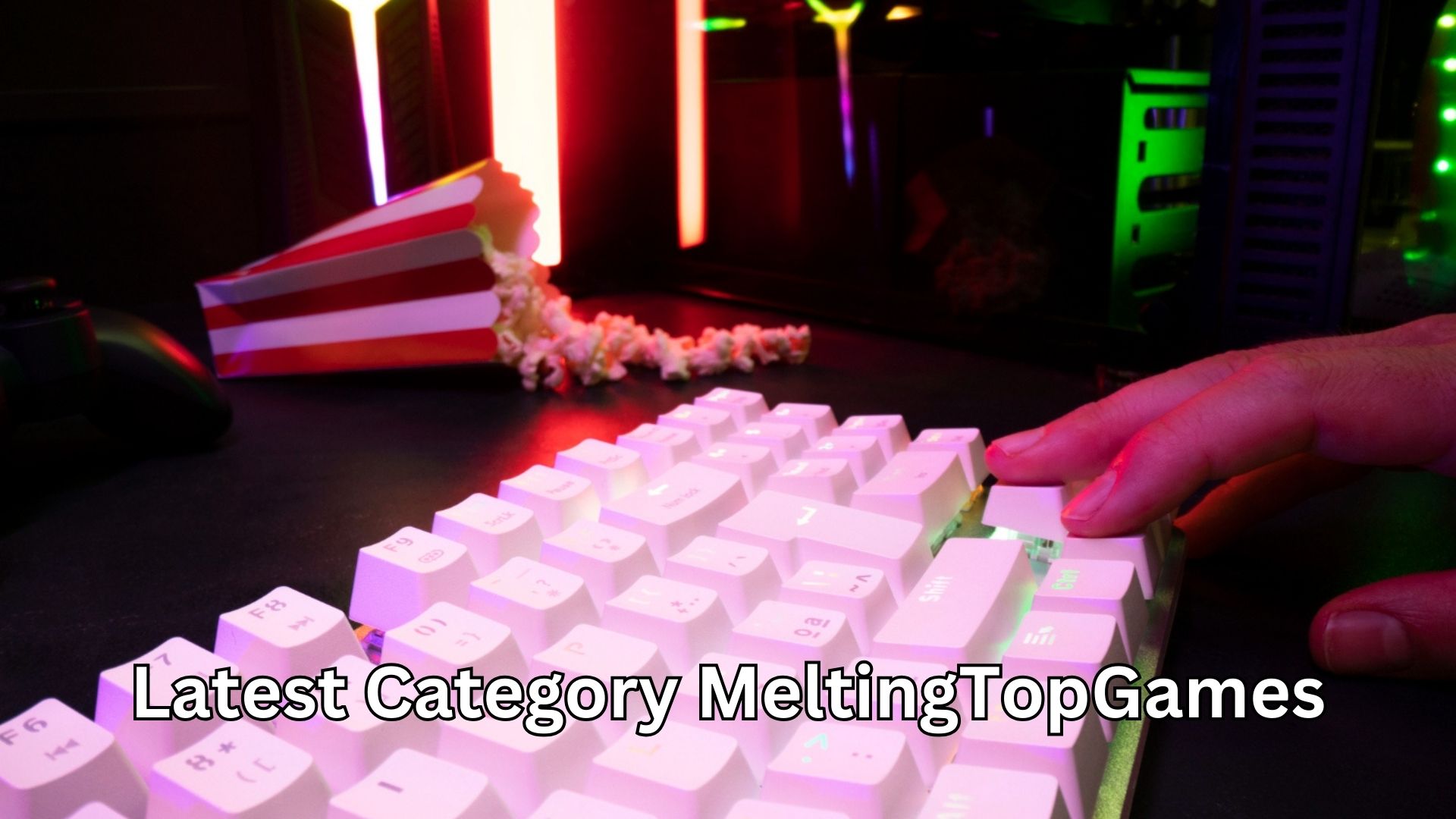
The quiet panic settling in your chest when you scroll through endless game launchers, unsure what to actually play, is finally over. For millions of PC gamers, the discovery phase has become a wasteland of repetitive storefronts and buried indie gems. Enter the latest category MeltingTopGames—a curation revolution that arrived in late 2025 and has since exploded into the primary destination for players who refuse to waste another Friday night installing duds. Unlike generic aggregators that simply list everything, this evolving space focuses on titles that actually respect your hardware and your time. Whether you are chasing the photorealistic obsessions of 2026’s biggest AAA bets or the hand-crafted soul of breakout indies, understanding this category isn’t just helpful; it’s the difference between building a backlog and building memories. The Explosive Growth of Curated PC Gaming Let’s paint a picture. It’s March 2026. You’ve just finished work, the machine is humming, and you have precisely three hours before reality calls again. The old habit? Open Steam, stare at the new releases tab, feel the dopamine fade, and default to something you’ve played a hundred times. This frustration—the “paradox of choice”—has become the silent killer of gaming enthusiasm. The latest category MeltingTopGames solves this by acting as a ruthless filter. It doesn’t care about corporate marketing budgets. It cares about what actually runs well, what respects the “pick up and play” philosophy, and what offers that intangible “one more turn” magic. In the last six months, traffic to curated PC lists has surged by over 300%, simply because players are exhausted. They want someone else to do the digging. This shift is also hardware-driven. We are currently living in the “graphical singularity”—a term coined by tech analysts to describe the moment when game engines like Unreal Engine 5 finally stretch their legs on mainstream hardware. Players who invested in new GPUs or the PS5 Pro last year are now starving for content that actually tests those specs. They aren’t looking for mobile ports or visual novels; they are hunting for the latest category MeltingTopGames specifically to find the “engine-breakers”—the titles that justify the expense of their glowing towers. Visual Masterpieces That Justify Your 4K Monitor If you have yet to experience the sheer terror of a GPU fan spinning up to jet-engine decibels, you haven’t been paying attention to 2026’s release slate. The visual fidelity dropping this year is nothing short of obscene. The Return of Hand-Crafted Realism. There is a fascinating war happening in development studios right now. On one side, you have the procedural generation crowd, pumping out infinite but often soulless landscapes. On the other, you have the artisans. A standout example causing ripples in the latest category MeltingTopGames is Chronicles Medieval. Built on Unreal Engine 5, this title is infamous for its “No AI” policy. Every asset, every brick in the castle, every muddy footprint is placed by a human hand. The result? Rain that actually behaves like water, not a semi-transparent filter. Steel armor that reflects torchlight in real-time across a battlefield of hundreds of hand-placed soldiers. It is a technical marvel that feels alive because a person agonized over every pixel. When Franchises Stop Playing Safe. Then there is the behemoth that needs no introduction. Grand Theft Auto VI, slated for late 2026, isn’t just a game; it is a two-billion-dollar simulation of reality. Rockstar isn’t messing around with generic texture packs. We are talking about real-time liquid simulation inside beer bottles. Condensation sweating off a cold glass. Character animations that react to the micro-texture of the ground they walk on. When you search for the latest category MeltingTopGames, GTA VI sits at the top of the pile not because of hype, but because it represents the absolute ceiling of what proprietary RAGE engine technology can achieve. It is the graphical benchmark that every other studio will spend the next five years trying to catch. Indie Darlings and the Slay the Spire Effect However, raw graphical power isn’t the only story. While the triple-A space fights over polygons, the independent scene is quietly winning the war for your heart. The proof is in the numbers, and the numbers are currently dominated by a card game. The Unlikely King of Steam. If you logged into Steam this past weekend, you couldn’t miss it. Slay the Spire 2 launched into Early Access and immediately broke records, hitting a peak of over 526,000 concurrent players—that is nine times the original game’s peak and a staggering 37 times the player count of the first game at the same stage in its lifecycle. Why is this relevant to the latest category MeltingTopGames? Because it proves that “gameplay first” always wins. Slay the Spire 2 looks almost identical to its 2019 predecessor. If you squint, you might mistake it for a DLC. Yet it holds a 96% positive rating. The secret sauce? It respects the player’s intelligence. The developers at Mega Crit didn’t fix what wasn’t broken; they simply expanded the combinatorial possibilities. They added new cards that interact in ways that make you feel like a genius, even on your first run. This release also highlights a massive trend within the latest category MeltingTopGames: the death of the unnecessary sequel. Players are starving for iterative innovation, not reinvention. Slay the Spire 2 works because it keeps the frictionless UI and snappy turn-based combat but layers in new “time line” systems and hidden narrative events, like the infamous fake merchant you can actually fight and rob if you figure out the clues. Diversity in the Indie Sphere. Beyond the card battlers, the indie scene in 2026 is absurdly diverse. Lists compiling the hottest 100 indies reveal an industry bursting with creativity. We are seeing titles like Big Hops, a grappling hook adventure where you use a frog’s tongue to swing through levels, and Don’t Stop, Girlypop!, a game that looks like Doom Eternal was re-skinned by a rainbow-loving teenage girl. This variety is the lifeblood of the latest category MeltingTopGames. It

Fallout 76 Scrapbox: The Ultimate Game‑Changing Storage Secret Every Wastelander Needs in 2026
Games

Fallout 76 Scrapbox: The Ultimate Game‑Changing Storage Secret Every Wastelander Needs in 2026

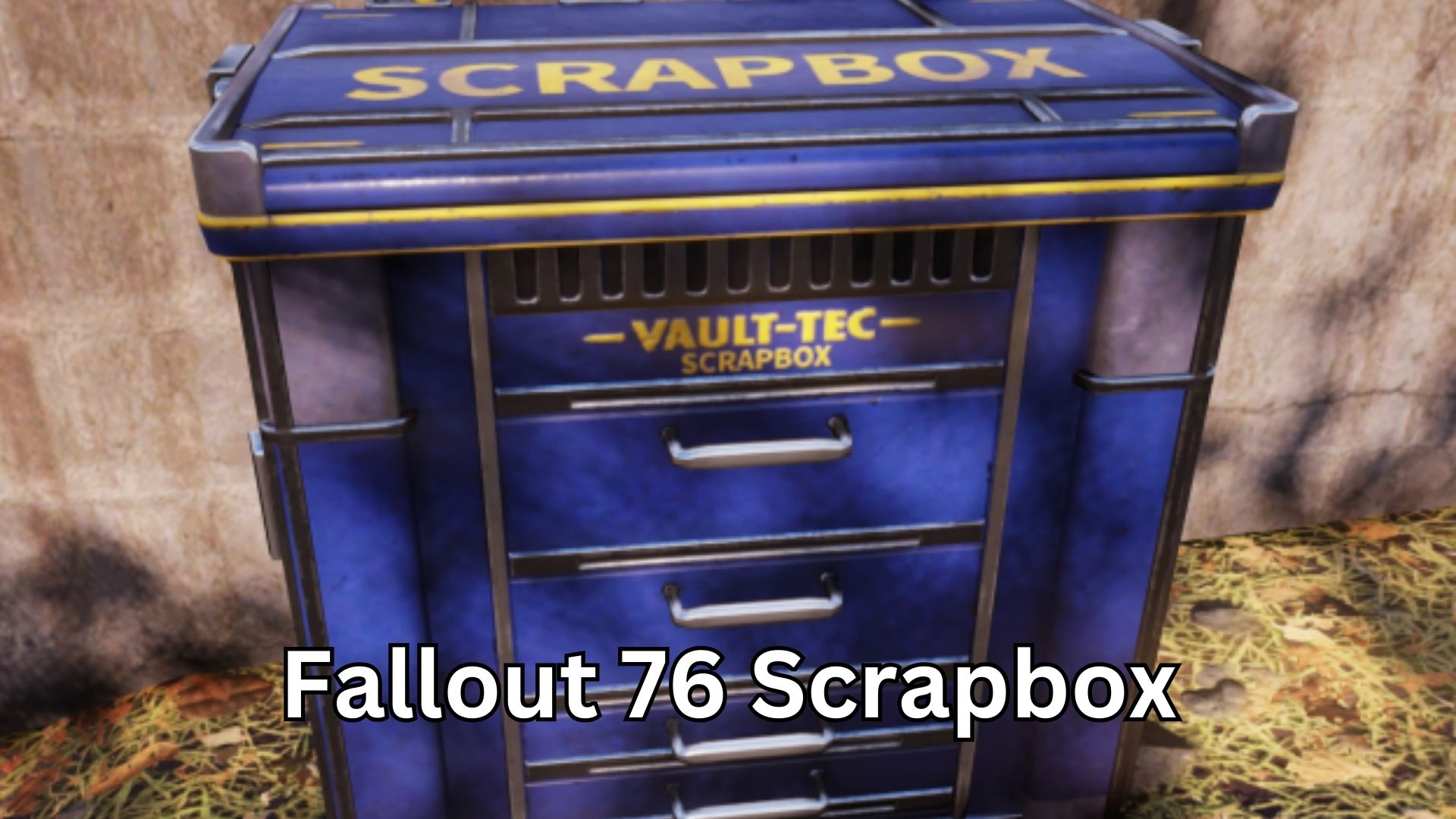
Fallout 76 scrapbox is one of the most powerful yet misunderstood tools in the ever‑evolving world of Fallout 76, and in 2026 it remains a decisive advantage for serious players who want efficiency, control, and long‑term progression. Storage management in the Appalachian wasteland has always separated casual survivors from strategic masterminds. If you have ever struggled with stash limits, constant inventory juggling, or painful material shortages during crafting sessions, understanding this system can completely transform your gameplay experience. This guide explores how it works, why it matters today, and whether it truly deserves its reputation as an essential feature. The Real Storage Crisis in Appalachia Inventory pressure has been part of the game’s DNA since launch. Every weapon, armor piece, junk item, and crafting material adds weight. Early players often remember the frustration of returning from an epic Scorchbeast fight only to spend twenty minutes deciding what to drop. Even after years of patches and balancing updates, stash management remains a strategic element. While Bethesda has increased stash limits over time, the crafting economy of Fallout 76 has also expanded. New weapons, seasonal events, legendary crafting, and CAMP customization all demand large quantities of raw materials. In 2026, more content means more components. Adhesive, ballistic fiber, aluminum, screws, springs, flux, and rare resources are constantly in demand. Players who ignore storage strategy inevitably hit progression bottlenecks. Understanding the Fallout 76 Scrapbox in Depth The fallout 76 scrapbox is a specialized storage container designed exclusively for crafting components. Unlike the standard stash box, it offers unlimited storage capacity for scrap materials. That single difference fundamentally changes how players approach exploration and resource farming. When you collect junk and scrap it at a workbench, the components can be stored safely in this container without consuming regular stash weight. This means you can hoard thousands of units of steel, wood, plastic, or more advanced materials without worrying about hitting the cap. However, access is tied to the Fallout 1st membership subscription. That detail sparks debate even today. Some players see it as an essential investment; others view it as optional convenience. From a mechanical standpoint, it is seamless. Crafting benches automatically pull resources from this storage. There is no need to transfer materials manually before crafting weapons or building CAMP structures. Real Gameplay Example: The High‑Level Builder Consider a level 300 CAMP architect who designs elaborate multi‑floor settlements. Without unlimited component storage, they must constantly clear stash space to accommodate wood, concrete, copper, and circuitry. With dedicated scrap storage, that same player can spend weeks gathering materials from events like A Colossal Problem or seasonal activities, stockpile thousands of units, and then execute a large‑scale build without interruption. This uninterrupted workflow is not just convenient. It changes creativity. When limits disappear, experimentation increases. Comparison: Standard Stash vs Unlimited Component Storage The difference between regular stash storage and dedicated scrap storage becomes more noticeable the longer you play. The standard stash is shared across characters on the same account and holds everything from weapons to armor to aid items. It has a weight cap. Every heavy gun and spare power armor chassis eats into that limit. In contrast, the specialized scrap container isolates crafting components from that system. This separation creates strategic freedom. Combat gear stays in stash. Raw materials stay in their own unlimited space. The comparison becomes even clearer during double XP weekends or seasonal score events. Farming sessions generate massive junk quantities. Players without unlimited scrap storage often stop farming early due to weight limits. Players with it keep going. In competitive progression, momentum matters. Updated 2026 Perspective: Is It Still Worth It? As of 2026, Fallout 76 continues to receive seasonal content updates, new public events, and balance tweaks. Crafting remains central to progression. Legendary crafting, ammo production, and CAMP customization still demand resources. The question many new players ask is simple: Is this feature still worth paying for? For casual players who log in occasionally and do minimal crafting, it may feel like a luxury. But for daily players grinding events, trading resources, or building complex CAMP structures, it becomes almost indispensable. The value increases the more you play. It scales with your ambition. The Psychological Advantage of Infinite Storage There is also a hidden psychological benefit. When you are no longer forced to drop junk, exploration becomes more enjoyable. Every desk fan, typewriter, and tin can becomes valuable. That subtle shift enhances immersion. Instead of inventory anxiety, you feel resource security. In long survival sessions, mental friction matters. Players often underestimate how much smoother their gameplay feels once they remove storage stress from the equation. Resource Farming Efficiency in 2026 Modern farming routes in Appalachia are optimized. Veteran players run specific circuits for screws, acid, lead, and flux. Events such as Radiation Rumble or Eviction Notice produce massive amounts of scrapable junk. Without expanded scrap storage, players frequently fast travel back to CAMP mid‑run to unload. With unlimited storage, farming becomes streamlined. You can grind multiple events in a row without disruption. Efficiency compounds. More materials lead to more crafting. More crafting leads to better builds. Better builds lead to faster farming. It is a progression loop that feeds itself. The Economic Impact on Trading The in‑game player economy also benefits from heavy resource accumulation. High‑end traders stockpile rare materials and sell bulk scrap through vending machines. When you have vast quantities stored safely, you can participate in trading without risking stash overflow. This makes entrepreneurial gameplay far more viable. Players building reputations as reliable vendors often rely heavily on strong resource management systems. A Real Story from a Veteran Survivor One long‑time player shared how they nearly quit during early years due to stash frustration. Every event felt like inventory punishment. They constantly deleted weapons they later regretted scrapping. After investing in expanded scrap storage, their experience changed dramatically. They focused purely on event participation and legendary crafting. Within months, they transitioned from casual survivor to high‑level trader. The turning point was not a weapon drop.

Scroll to Top