Fallout 76 Scrapbox: The Ultimate Game‑Changing Storage Secret Every Wastelander Needs in 2026
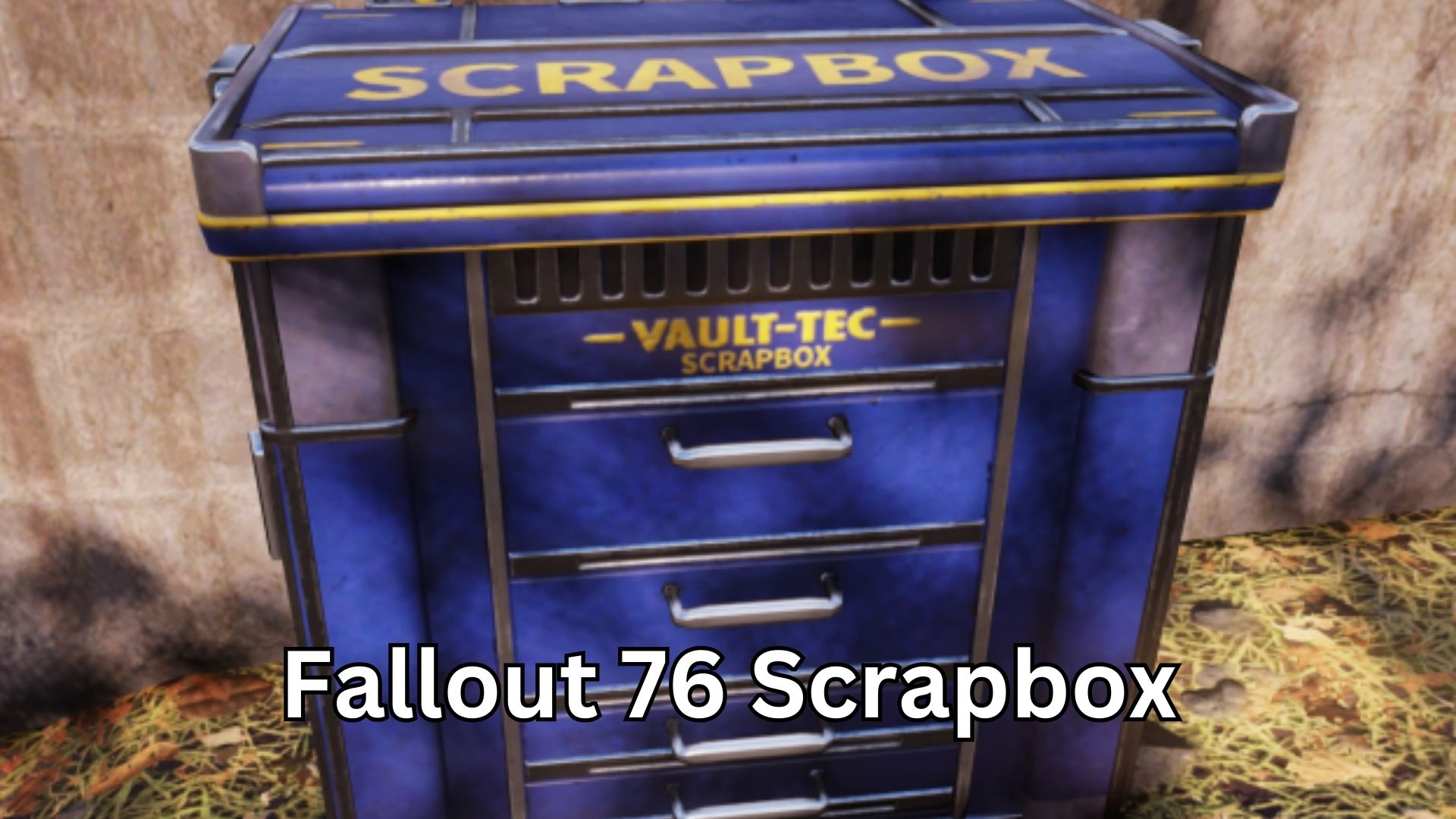
Fallout 76 scrapbox is one of the most powerful yet misunderstood tools in the ever‑evolving world of Fallout 76, and in 2026 it remains a decisive advantage for serious players who want efficiency, control, and long‑term progression. Storage management in the Appalachian wasteland has always separated casual survivors from strategic masterminds. If you have ever struggled with stash limits, constant inventory juggling, or painful material shortages during crafting sessions, understanding this system can completely transform your gameplay experience. This guide explores how it works, why it matters today, and whether it truly deserves its reputation as an essential feature. The Real Storage Crisis in Appalachia Inventory pressure has been part of the game’s DNA since launch. Every weapon, armor piece, junk item, and crafting material adds weight. Early players often remember the frustration of returning from an epic Scorchbeast fight only to spend twenty minutes deciding what to drop. Even after years of patches and balancing updates, stash management remains a strategic element. While Bethesda has increased stash limits over time, the crafting economy of Fallout 76 has also expanded. New weapons, seasonal events, legendary crafting, and CAMP customization all demand large quantities of raw materials. In 2026, more content means more components. Adhesive, ballistic fiber, aluminum, screws, springs, flux, and rare resources are constantly in demand. Players who ignore storage strategy inevitably hit progression bottlenecks. Understanding the Fallout 76 Scrapbox in Depth The fallout 76 scrapbox is a specialized storage container designed exclusively for crafting components. Unlike the standard stash box, it offers unlimited storage capacity for scrap materials. That single difference fundamentally changes how players approach exploration and resource farming. When you collect junk and scrap it at a workbench, the components can be stored safely in this container without consuming regular stash weight. This means you can hoard thousands of units of steel, wood, plastic, or more advanced materials without worrying about hitting the cap. However, access is tied to the Fallout 1st membership subscription. That detail sparks debate even today. Some players see it as an essential investment; others view it as optional convenience. From a mechanical standpoint, it is seamless. Crafting benches automatically pull resources from this storage. There is no need to transfer materials manually before crafting weapons or building CAMP structures. Real Gameplay Example: The High‑Level Builder Consider a level 300 CAMP architect who designs elaborate multi‑floor settlements. Without unlimited component storage, they must constantly clear stash space to accommodate wood, concrete, copper, and circuitry. With dedicated scrap storage, that same player can spend weeks gathering materials from events like A Colossal Problem or seasonal activities, stockpile thousands of units, and then execute a large‑scale build without interruption. This uninterrupted workflow is not just convenient. It changes creativity. When limits disappear, experimentation increases. Comparison: Standard Stash vs Unlimited Component Storage The difference between regular stash storage and dedicated scrap storage becomes more noticeable the longer you play. The standard stash is shared across characters on the same account and holds everything from weapons to armor to aid items. It has a weight cap. Every heavy gun and spare power armor chassis eats into that limit. In contrast, the specialized scrap container isolates crafting components from that system. This separation creates strategic freedom. Combat gear stays in stash. Raw materials stay in their own unlimited space. The comparison becomes even clearer during double XP weekends or seasonal score events. Farming sessions generate massive junk quantities. Players without unlimited scrap storage often stop farming early due to weight limits. Players with it keep going. In competitive progression, momentum matters. Updated 2026 Perspective: Is It Still Worth It? As of 2026, Fallout 76 continues to receive seasonal content updates, new public events, and balance tweaks. Crafting remains central to progression. Legendary crafting, ammo production, and CAMP customization still demand resources. The question many new players ask is simple: Is this feature still worth paying for? For casual players who log in occasionally and do minimal crafting, it may feel like a luxury. But for daily players grinding events, trading resources, or building complex CAMP structures, it becomes almost indispensable. The value increases the more you play. It scales with your ambition. The Psychological Advantage of Infinite Storage There is also a hidden psychological benefit. When you are no longer forced to drop junk, exploration becomes more enjoyable. Every desk fan, typewriter, and tin can becomes valuable. That subtle shift enhances immersion. Instead of inventory anxiety, you feel resource security. In long survival sessions, mental friction matters. Players often underestimate how much smoother their gameplay feels once they remove storage stress from the equation. Resource Farming Efficiency in 2026 Modern farming routes in Appalachia are optimized. Veteran players run specific circuits for screws, acid, lead, and flux. Events such as Radiation Rumble or Eviction Notice produce massive amounts of scrapable junk. Without expanded scrap storage, players frequently fast travel back to CAMP mid‑run to unload. With unlimited storage, farming becomes streamlined. You can grind multiple events in a row without disruption. Efficiency compounds. More materials lead to more crafting. More crafting leads to better builds. Better builds lead to faster farming. It is a progression loop that feeds itself. The Economic Impact on Trading The in‑game player economy also benefits from heavy resource accumulation. High‑end traders stockpile rare materials and sell bulk scrap through vending machines. When you have vast quantities stored safely, you can participate in trading without risking stash overflow. This makes entrepreneurial gameplay far more viable. Players building reputations as reliable vendors often rely heavily on strong resource management systems. A Real Story from a Veteran Survivor One long‑time player shared how they nearly quit during early years due to stash frustration. Every event felt like inventory punishment. They constantly deleted weapons they later regretted scrapping. After investing in expanded scrap storage, their experience changed dramatically. They focused purely on event participation and legendary crafting. Within months, they transitioned from casual survivor to high‑level trader. The turning point was not a weapon drop. … Read more