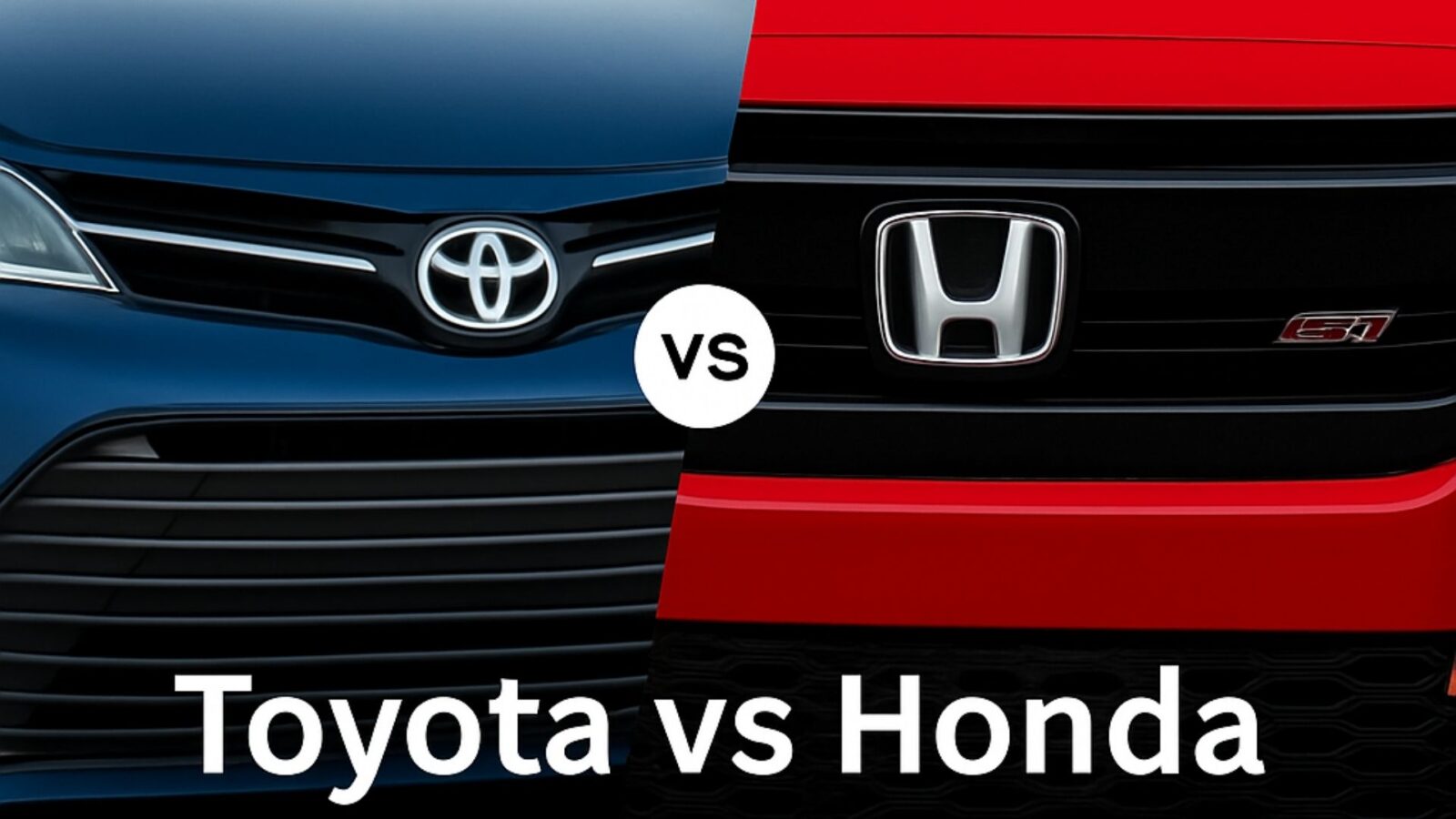
Toyota vs Honda reliability has been debated for decades by drivers who want a dependable car that lasts for years without constant repairs. Both brands enjoy strong reputations, loyal customers, and impressive resale value, making the choice difficult for buyers who prioritize peace of mind. This detailed guide explores how each manufacturer approaches durability, engineering, and ownership satisfaction to help you make a confident, well-informed decision.
Brand Philosophy and Engineering Mindset
Toyota has built its global reputation on conservative engineering and long-term consistency. The company tends to refine existing technology rather than rushing into experimental designs. This approach often results in engines and transmissions that remain unchanged for many years, allowing engineers to eliminate weaknesses over time. As a result, Toyota vehicles are widely known for their ability to perform reliably even after crossing high mileage milestones.
Honda, on the other hand, blends reliability with a more performance-oriented mindset. Its engineers often aim to deliver engaging driving dynamics while maintaining efficiency and durability. Honda engines are frequently praised for smooth power delivery and intelligent design, particularly in naturally aspirated models. While Honda sometimes introduces innovations earlier than Toyota, it usually backs them with strong testing standards to protect long-term dependability.
Toyota vs Honda Reliability in Real-World Ownership
When it comes to everyday ownership, Toyota vs Honda reliability often comes down to how vehicles age under regular use. Toyota models are commonly associated with fewer unexpected issues as they grow older. Many owners report driving well beyond 200,000 miles with basic maintenance, which has strengthened Toyota’s image as a brand built for longevity.
Honda also performs strongly in real-world conditions, especially with proper care. Its vehicles tend to reward attentive maintenance schedules and quality servicing. While some Honda models have faced isolated concerns in specific production years, the brand overall maintains a solid track record that reassures long-term owners.

Maintenance Costs and Service Experience
Maintenance plays a crucial role in perceived dependability. Toyota vehicles generally have slightly lower average maintenance costs over time. Parts availability is widespread, and many mechanics are deeply familiar with Toyota systems, which helps keep labor costs reasonable. This practical advantage appeals to owners who want predictable expenses year after year.
Honda maintenance costs are also competitive, though certain components can be marginally more expensive depending on the model and engine type. However, Honda’s efficient engineering often leads to fewer major repairs when vehicles are serviced on schedule. For drivers who value a balance between reliability and driving enjoyment, Honda’s ownership experience remains highly attractive.
Engine Longevity and Transmission Performance
Engines are the heart of any reliability discussion. Toyota’s powertrains are often praised for their conservative tuning and low stress levels. This design philosophy reduces wear over time and contributes to long engine life. Automatic transmissions from Toyota have historically been stable and durable, especially in mainstream sedans and SUVs.
Honda engines are known for efficiency and refinement, particularly in four-cylinder configurations. Manual transmissions from Honda are widely regarded as some of the best in the industry, offering durability and smooth shifting. Automatic transmissions have improved significantly over the years, reinforcing confidence in newer models.
Build Quality and Materials
Build quality plays a subtle but important role in long-term satisfaction. Toyota emphasizes consistent assembly and durable interior materials that resist wear. While Toyota interiors may not always feel the most luxurious, they often age gracefully, retaining functionality even after years of use.
Honda interiors tend to focus on ergonomics and driver comfort. Materials are selected to balance cost, durability, and aesthetics. Over time, Honda cabins generally hold up well, though wear patterns can vary by model and usage. Both brands demonstrate strong quality control, which supports their reputations for dependability.
Resale Value and Long-Term Trust
Resale value is a strong indicator of public confidence. Toyota vehicles consistently rank among the highest in resale value, reflecting buyer trust in long-term durability. This strong resale performance reinforces the idea that Toyota ownership is a safe financial decision.
Honda also enjoys excellent resale value, often close to Toyota’s levels. Buyers recognize Honda as a brand that delivers lasting quality, which keeps demand high in the used car market. This ongoing trust strengthens the Toyota vs Honda reliability conversation, as both brands continue to outperform much of the competition.
Reliability Across Different Vehicle Segments
Reliability can vary depending on vehicle type. Toyota’s SUVs and hybrids have earned particular praise for their durability and low failure rates. Models like family sedans and compact crossovers have become benchmarks for trouble-free ownership.
Honda excels in compact and midsize cars, where efficiency and engineering precision shine. Its SUVs have also gained recognition for balanced performance and dependable operation. Across segments, both brands demonstrate consistency, which reassures buyers regardless of their lifestyle needs.

Impact of Technology and Modern Features
Modern vehicles rely heavily on technology, which can influence reliability perceptions. Toyota often takes a measured approach to new features, introducing them gradually and refining them before widespread adoption. This strategy reduces the risk of early issues and enhances long-term confidence.
Honda integrates technology with a focus on usability and driver engagement. While newer systems may require an adjustment period, they are typically backed by solid engineering and ongoing updates. As vehicles become more complex, both brands continue adapting their reliability strategies to modern expectations.
Owner Satisfaction and Brand Loyalty
Owner satisfaction reflects how reliability feels in daily life. Toyota owners frequently describe a sense of reassurance, knowing their vehicle is unlikely to surprise them with major issues. This emotional trust has helped Toyota build one of the most loyal customer bases in the automotive world.
Honda owners often highlight enjoyment alongside dependability. The combination of reliability and engaging performance creates a strong emotional connection. This satisfaction contributes to repeat purchases and positive word-of-mouth, keeping the brand competitive in the long run.
Final Verdict on Long-Term Dependability
The debate around Toyota vs honda reliability ultimately reveals more similarities than differences. Toyota stands out for its conservative engineering, slightly lower maintenance costs, and exceptional longevity. Honda shines with refined engines, enjoyable driving dynamics, and strong long-term performance when properly maintained.
Choosing between the two depends on personal priorities rather than absolute reliability alone. Drivers seeking maximum predictability may lean toward Toyota, while those who want reliability paired with driving pleasure may prefer Honda. In either case, both brands represent some of the safest and smartest choices for dependable transportation, ensuring confidence and satisfaction for years to come.
Also Read: Contact ActivePropertyCare .com: The Powerful and Positive Way to Get Trusted Property Support