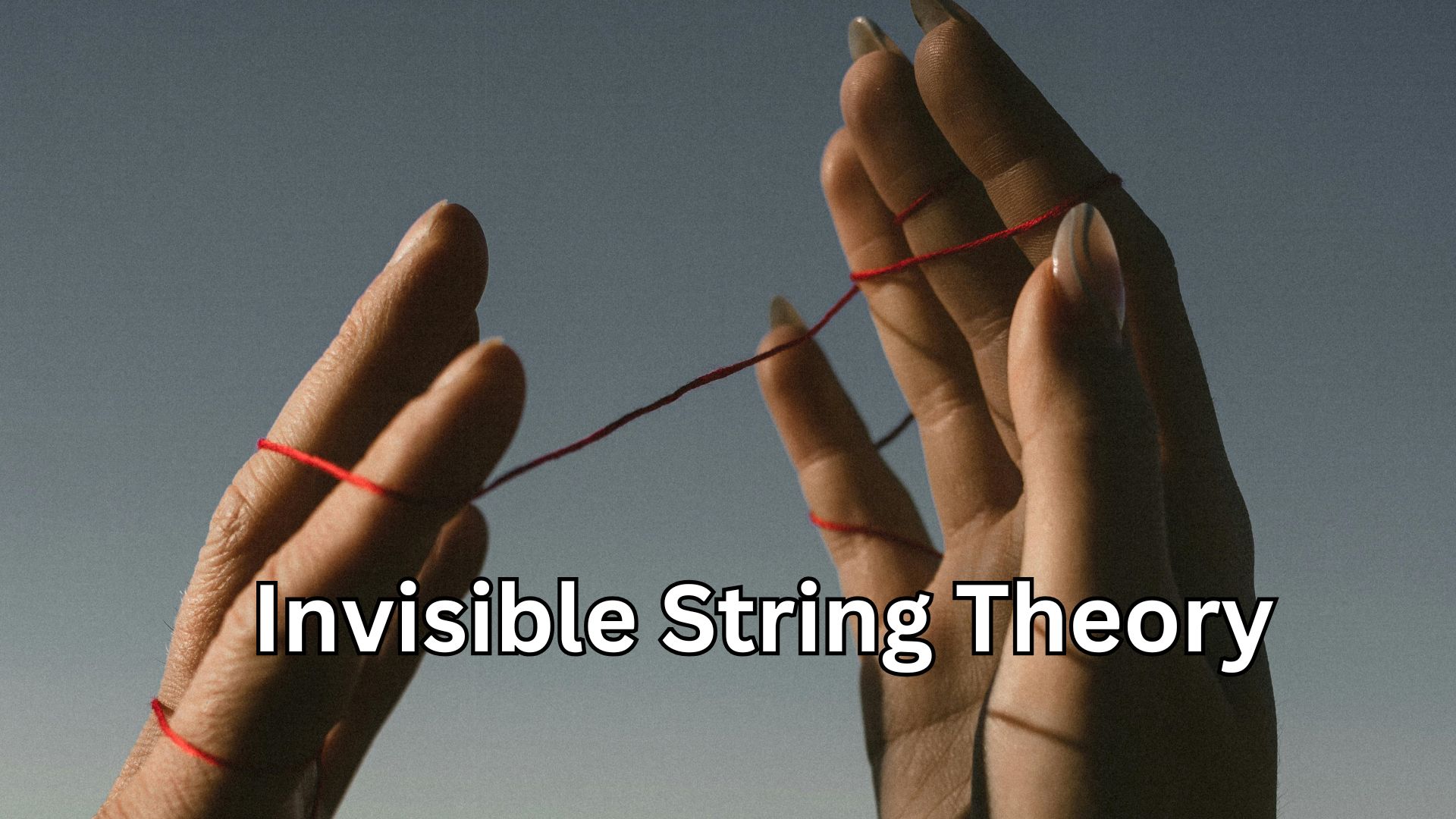
Invisible string theory suggests that unseen connections quietly shape relationships, events, and life paths in ways that feel mysterious yet meaningful. This idea appeals to people who believe that certain encounters and outcomes are guided by forces beyond coincidence, offering a thoughtful perspective that blends philosophy, psychology, and modern interpretation of human experience.
The concept has grown popular because it provides emotional reassurance without demanding blind faith. Instead of claiming absolute destiny, it proposes that subtle links influence timing, attraction, and opportunity. These unseen links are not rigid chains but flexible threads that respond to choices, awareness, and growth. By understanding this perspective, many people find clarity in moments that once felt random or confusing.
Origins and philosophical roots of unseen connections
Long before modern discussions, ancient cultures explored the idea that human lives are quietly connected. Eastern philosophy often speaks about fate, karma, and energetic bonds, while Western thinkers have discussed synchronicity and universal order. These traditions did not rely on scientific equations but on observation of patterns in life, relationships, and personal transformation.
Over time, these philosophical views evolved into modern interpretations that focus less on destiny and more on alignment. People noticed that meaningful encounters often occur during periods of change or emotional readiness. This led to the belief that unseen forces respond to inner states rather than controlling outcomes outright. The idea became more accessible as psychology began exploring subconscious influence and perception.
Invisible string theory and the idea of meaningful coincidence
Invisible string theory is often associated with meaningful coincidence rather than strict fate. It proposes that certain meetings or opportunities feel “meant to happen” because internal readiness aligns with external circumstances. This alignment creates the impression of guidance without removing free will.
From a psychological standpoint, the mind naturally searches for patterns. When something emotionally significant occurs, it feels deeper than chance. TThis does not suggest that the experience is unreal or fabricated; rather, it reflects how deeply the mind responds to meaningful moments. Instead, it reflects how perception, memory, and emotional awareness work together. The theory offers language to describe why some moments stand out and reshape direction.
Importantly, this perspective avoids rigid predictions. It does not say that one path is fixed or that failure is unavoidable. Instead, it emphasizes responsiveness. When people grow, reflect, or change behavior, the nature of these invisible connections may shift as well.

How unseen connections influence relationships and choices
Relationships are one of the strongest areas where people feel the impact of unseen bonds. Certain connections feel instantly familiar, while others fade despite effort. This theory explains such experiences by suggesting that emotional timing and internal development matter more than surface traits.
Choices also play a crucial role. When individuals follow values, intuition, and self-awareness, they often encounter opportunities that feel aligned. These moments may appear guided, but they are also shaped by consistent decision-making. The unseen thread responds to direction rather than dragging someone forward.
This interpretation encourages responsibility rather than passivity. Instead of waiting for something to happen, people are motivated to prepare themselves mentally and emotionally. When preparation meets opportunity, the result feels intentional.
Psychological explanations behind the concept
Modern psychology provides insights that support parts of this idea without confirming it as a physical force. Concepts such as selective attention, emotional resonance, and cognitive bias explain why certain events feel connected. When something matches inner expectations or emotional needs, it stands out more clearly.
Memory also plays a role. Humans remember emotionally charged experiences better than neutral ones. Over time, these memories form a narrative that feels guided. The mind connects past events into a story, giving meaning to progression and change.
This does not reduce the value of the experience. Meaning itself has real psychological impact. Believing that life has coherence can increase motivation, resilience, and emotional stability.

Cultural influence and modern popularity
The idea has gained traction in modern culture through books, films, and social discussions. Storytelling often relies on unseen connections to create emotional depth. When audiences relate to these narratives, they recognize similar patterns in their own lives.
Social media has also contributed to its popularity. People share stories of chance meetings, unexpected success, or timely guidance. These shared experiences reinforce the belief that something subtle may be at work beyond randomness.
Unlike rigid belief systems, this theory adapts easily to different worldviews. Some interpret it spiritually, others psychologically, and many see it as a blend of both.
Misunderstandings and realistic interpretation
A common misunderstanding is assuming that unseen connections guarantee positive outcomes without effort. This belief can lead to disappointment or inaction. In reality, the theory emphasizes interaction between choice and circumstance, not passive waiting.
Another misconception is treating it as a scientific law. While it borrows language that sounds theoretical, it is not physics-based. Its value lies in interpretation, not measurement. Understanding this prevents unrealistic expectations and keeps the idea grounded.
When approached realistically, it becomes a reflective tool rather than a promise. It helps people examine patterns, motivations, and emotional readiness instead of predicting exact outcomes.

Practical value in personal growth
Invisible string theory can be useful when applied to self-awareness. Reflecting on why certain situations repeat may reveal habits or beliefs that shape experience. Recognizing these patterns allows for conscious change.
Many people find comfort in viewing challenges as part of a larger process. This mindset reduces anxiety and encourages patience. Instead of feeling lost, individuals may feel guided toward learning and growth.
The theory also promotes openness. When people believe that meaningful connections are possible, they remain receptive to new ideas, relationships, and opportunities. This openness itself increases the likelihood of positive experiences.
Balancing belief and critical thinking
Healthy engagement with this idea requires balance. Blind belief can limit responsibility, while complete dismissal can remove emotional meaning. The most practical approach lies between these extremes.
Using the theory as a metaphor rather than a rule allows flexibility. It becomes a way to interpret experiences without denying logic or effort. People can acknowledge coincidence while still appreciating significance.
This balance supports long-term personal development and emotional intelligence, making the idea sustainable rather than restrictive.
Conclusion: a thoughtful lens for understanding life’s patterns
Invisible string theory continues to resonate because it offers a positive, empowering way to interpret life without denying choice or effort. It frames experiences as connected without insisting on rigid destiny, encouraging reflection, growth, and awareness. When understood as a guiding metaphor rather than an absolute rule, invisible string theory becomes a valuable lens through which people can explore meaning, connection, and direction in an ever-changing world.
Also Read: Shark FlexStyle Is a Powerful and Surprisingly Good Hair Styling Innovation