e26 bulb technology has become the positive standard for residential and commercial lighting because it balances compatibility, efficiency, and long-term reliability. Designed to fit the most common light sockets found in homes, this lighting option continues to evolve with modern innovations such as LED efficiency, smart controls, and improved color accuracy. Whether you are upgrading a single room or planning lighting for an entire property, understanding how this bulb type works can help you make confident and cost-effective decisions.
Lighting is no longer just about illumination. It affects mood, productivity, energy consumption, and even interior aesthetics. That is why choosing the correct base, wattage equivalent, and light output matters more today than ever before. This detailed guide explores everything you need to know, from technical basics to real-world usage, while keeping the focus on practical value rather than marketing hype.
Understanding Standard Edison Bases and Socket Compatibility
Most households rely on a familiar screw-in socket design that has remained largely unchanged for decades. This design, known as the Edison screw, is widely used across North America and many other regions. Its popularity comes from simplicity and safety, allowing users to replace lamps without tools or technical expertise.
The E26 designation refers to the diameter of the screw base in millimeters. This measurement ensures a secure electrical connection and mechanical fit. Because of this standardization, consumers rarely need to worry about compatibility when purchasing replacement lamps for table lights, ceiling fixtures, or wall sconces. As long as the socket matches the Edison format, installation is straightforward.
Another advantage of this standardized base is the flexibility it offers. You can easily switch between incandescent, CFL, halogen, or LED technologies without changing the fixture itself. This adaptability has helped the Edison base remain relevant even as lighting technology rapidly advances.
What Is an e26 bulb and Why It Is So Widely Used
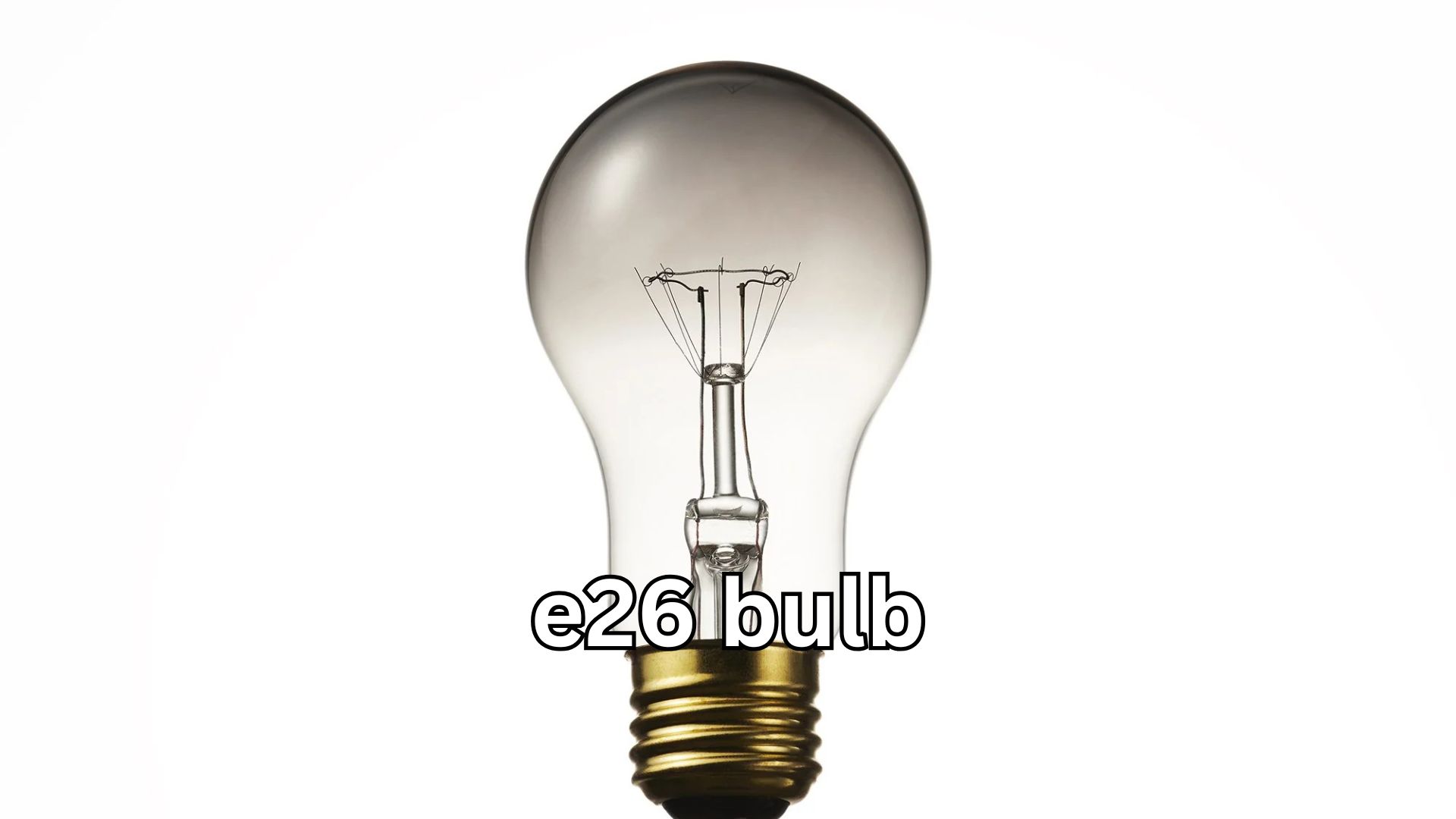
An e26 bulb is defined by its screw base rather than its lighting technology. This means it can be found in traditional filament designs as well as in modern LED and smart lighting products. Its widespread use comes from decades of infrastructure built around this size, making it the default option for general lighting.
One reason for its dominance is ease of replacement. Homeowners do not need professional assistance to upgrade or maintain their lighting. This convenience reduces long-term costs and encourages energy-efficient upgrades, especially when switching from older incandescent models to LEDs.
Another factor is manufacturer support. Because demand is consistently high, manufacturers invest heavily in improving performance, lifespan, and light quality for this format. As a result, consumers benefit from better products at competitive prices, with a wide range of color temperatures and brightness levels available.

Energy Efficiency and Long-Term Cost Benefits
Energy efficiency is one of the most compelling reasons people upgrade their lighting. Modern LED options using the standard Edison base consume significantly less electricity than older technologies while producing the same or higher light output. This efficiency directly translates into lower electricity bills over time.
Beyond energy savings, lifespan plays a major role in overall value. LED versions can last tens of thousands of hours, reducing the frequency of replacements. This is particularly beneficial for fixtures that are difficult to access, such as high ceilings or outdoor installations.
Heat reduction is another often overlooked benefit. Efficient lighting produces less heat, which can help maintain indoor comfort and reduce strain on cooling systems. Over the course of a year, this can contribute to noticeable savings, especially in warmer climates.
Light Quality, Color Temperature, and Ambiance
Modern lighting is as much about atmosphere as it is about visibility. Today’s products offer a wide spectrum of color temperatures, ranging from warm, soft tones to crisp, daylight-like illumination. This allows users to tailor lighting to specific rooms and activities.
Warm tones are commonly used in bedrooms and living areas to create a relaxed environment, while cooler tones are preferred in kitchens, offices, and workspaces where clarity and focus are important. Advances in LED technology have also improved color rendering, ensuring that objects appear more natural and vibrant under artificial light.
Dimmable options further enhance flexibility. With compatible fixtures and switches, users can adjust brightness levels to suit different times of day or occasions, improving comfort without sacrificing efficiency.
Smart Lighting Integration and Modern Features
The rise of smart homes has transformed how people interact with lighting. Many modern products designed for standard Edison sockets now include smart features such as app control, voice assistant compatibility, and programmable schedules.
These features allow users to automate lighting based on routines, occupancy, or even sunrise and sunset times. Remote access adds an extra layer of convenience and security, enabling lights to be controlled while away from home.
Smart lighting also supports energy management. Usage tracking and automation help reduce unnecessary consumption, aligning convenience with sustainability. As smart ecosystems continue to expand, compatibility with existing sockets ensures easy adoption without expensive rewiring.
Choosing the Right Brightness and Wattage Equivalent
Brightness is measured in lumens rather than watts, a distinction that has become more important with the shift to energy-efficient lighting. While older consumers may still think in terms of wattage, lumens provide a clearer picture of actual light output.
Selecting the appropriate brightness depends on the room size, ceiling height, and intended use. A living room may require softer overall illumination, while task-oriented spaces benefit from higher lumen output. Understanding this distinction helps avoid over-lighting or under-lighting a space.
Manufacturers often provide wattage equivalents on packaging to simplify comparisons. This makes it easier for consumers transitioning from older bulbs to choose products that meet their expectations without guesswork.
Installation Safety and Practical Tips
Although installation is generally simple, basic safety precautions should always be followed. Power should be turned off before replacing any lamp, and fixtures should be allowed to cool to prevent burns. Proper handling also helps avoid damage to the base or socket.
Quality matters when selecting lighting products. Reputable brands adhere to safety standards and provide consistent performance. Cheaper alternatives may save money upfront but can lead to flickering, shorter lifespan, or compatibility issues.
Ventilation is another consideration, especially in enclosed fixtures. Ensuring proper airflow helps maintain performance and longevity, particularly for LED designs that rely on heat dissipation.

Environmental Impact and Sustainability
Lighting choices have a direct impact on environmental sustainability. Energy-efficient options reduce greenhouse gas emissions by lowering electricity demand. Longer lifespan also means fewer products end up in landfills over time.
Many modern lighting products are manufactured with recyclable materials and reduced hazardous components. This shift supports global efforts to minimize environmental harm while meeting consumer demand for high-performance lighting.
Making informed choices contributes to a more sustainable future without compromising comfort or functionality.
Final Thoughts on Making the Right Lighting Decision
Choosing the right e26 bulb is about more than fitting a socket. It involves balancing efficiency, light quality, technology, and long-term value. With advancements in LED and smart lighting, consumers now have access to options that are both powerful and economical.
By understanding base compatibility, brightness, and modern features, you can confidently select lighting that enhances your space while reducing energy costs. Investing in quality lighting today delivers lasting benefits for comfort, aesthetics, and sustainability well into the future.
Also Read: Bubba Wallace Net Worth: An Impressive and Inspiring Success Story