Author name: MSaeed

Shark FlexStyle Is a Powerful and Surprisingly Good Hair Styling Innovation

Fashion

Shark FlexStyle Is a Powerful and Surprisingly Good Hair Styling Innovation

Shark FlexStyle has quickly become one of the most talked-about hair styling tools, praised for its versatility, modern design, and salon-like results at home. In a market crowded with heated styling devices that promise too much and deliver too little, this multi-functional styler stands out for combining performance with hair-conscious technology. Designed for people who want flexibility without sacrificing hair health, it offers a refreshing alternative to traditional dryers and stylers while keeping everyday usability in mind. The evolution of modern hair styling tools Hair styling has gone through a remarkable transformation over the past decade. Where once bulky dryers and single-purpose tools dominated bathroom counters, today’s consumers expect sleek, intelligent devices that can do more with less heat damage. This shift is driven by increased awareness of hair health, rising salon costs, and the demand for time-saving beauty solutions at home. Modern styling tools are now judged not only by how well they shape hair, but also by how gently and efficiently they work. In this evolving landscape, innovation is no longer optional. Brands that fail to address heat control, airflow precision, and adaptability often fall behind. This is where the Shark FlexStyle finds its footing, positioning itself as a tool designed for real-world routines rather than unrealistic beauty standards. What makes Shark FlexStyle different from traditional stylers Shark FlexStyle technology and design approach At its core, the Shark FlexStyle is built around a flexible design concept that allows the device to shift between a powerful hair dryer and a multi-use styling system. Instead of relying solely on extreme heat, it uses controlled airflow to style hair efficiently. This approach helps reduce unnecessary thermal stress while still delivering smooth, polished results. The design feels intentionally balanced, avoiding the overly futuristic look that can intimidate everyday users. Its structure supports natural hand movement, which makes styling feel less like a chore and more like a manageable part of a daily routine. This thoughtful engineering reflects a deeper understanding of how people actually use hair tools at home. Styling performance for different hair types One of the biggest challenges with any styling device is its ability to perform consistently across different hair textures. Straight, wavy, curly, and coily hair all respond differently to airflow and heat, and many tools fail to adapt. The Shark FlexStyle, however, is engineered to handle a wide range of hair needs without forcing users to rely on excessive heat or complicated techniques. For fine hair, it provides enough control to create volume and smoothness without flattening strands. Thicker hair types benefit from the strong airflow, which speeds up drying time while maintaining shape. Curly and textured hair users often appreciate how the styling process feels less aggressive, helping maintain natural definition rather than disrupting curl patterns. Hair health and heat management Heat damage remains one of the top concerns among people who style their hair regularly. Excessive heat can weaken strands, dull shine, and lead to long-term breakage. Modern tools are expected to address this issue directly, not just claim to do so. The Shark FlexStyle approaches heat management with a focus on balance rather than extremes. By regulating temperature and emphasizing airflow efficiency, the device minimizes prolonged heat exposure. This means hair is styled faster, which naturally reduces the amount of time it is subjected to warmth. Over time, this can make a noticeable difference in texture, softness, and overall hair resilience, especially for individuals who style multiple times a week. Everyday usability and learning curve A common drawback of advanced styling tools is complexity. When a device requires hours of practice or constant reference to manuals, it becomes more frustrating than helpful. One of the more positive aspects of the Shark FlexStyle is how approachable it feels from the first use. The transition between drying and styling modes is intuitive, allowing users to adjust their routine without stopping to reset or reconfigure the tool. This ease of use makes it suitable not only for beauty enthusiasts but also for people who simply want reliable results without investing excessive time or effort. Over a few uses, most people find a rhythm that fits naturally into their schedule. How Shark FlexStyle fits into modern beauty routines Today’s beauty routines are increasingly shaped by convenience and efficiency. People want tools that complement busy lifestyles while still delivering professional-quality results. The Shark FlexStyle aligns well with this mindset by reducing the need for multiple separate devices. Instead of switching between a dryer, a round brush, and a straightener, users can achieve similar outcomes with one adaptable system. This not only saves space but also simplifies decision-making during rushed mornings. Over time, this streamlined approach can make hair care feel less overwhelming and more consistent. Comparison with other premium styling tools The premium hair styling market is competitive, with several high-end devices promising innovation and superior results. What sets the Shark FlexStyle apart is its balance between performance and accessibility. While some tools focus heavily on cutting-edge aesthetics or niche features, this device prioritizes practical benefits that matter in everyday use. Its performance is strong enough to satisfy users who expect salon-like finishes, yet its design remains grounded and user-friendly. This middle ground is appealing to people who want quality without feeling like they are overpaying for features they may never use. Long-term value and durability When investing in a styling tool, long-term value is just as important as initial performance. A device that works well for a few months but degrades quickly rarely feels worth the price. The Shark FlexStyle is designed with durability in mind, using materials that feel solid and reliable during regular use. Consistency over time is where many tools reveal their weaknesses, whether through declining airflow or overheating issues. Users often look for devices that maintain performance without requiring frequent replacements. In this regard, the Shark FlexStyle positions itself as a long-term companion rather than a short-lived trend. User experience and confidence boost Hair has a powerful impact on confidence. When styling tools

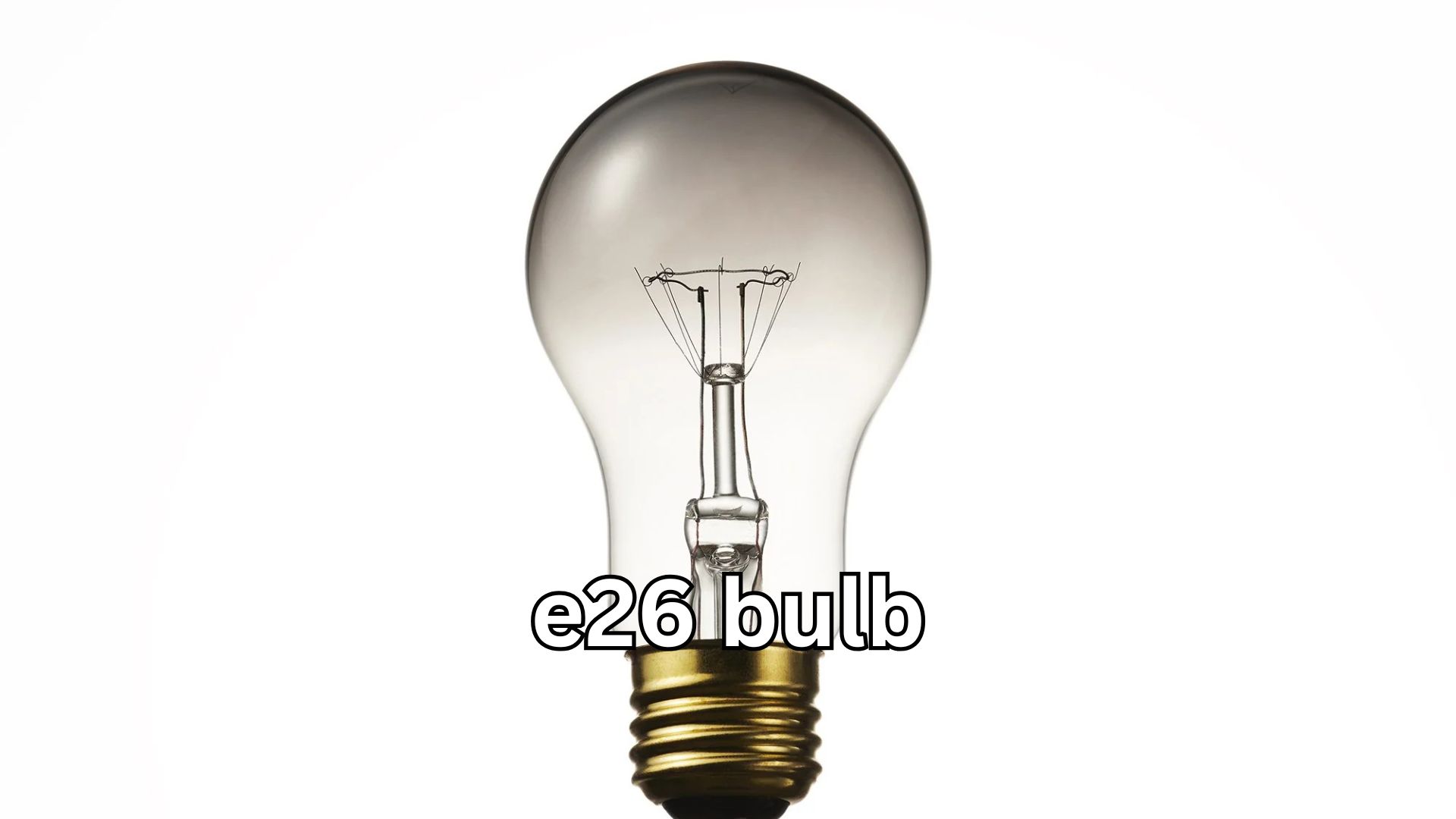
e26 bulb: The Powerful and Smart Choice for Modern Lighting
Home Improvement

e26 bulb: The Powerful and Smart Choice for Modern Lighting

e26 bulb technology has become the positive standard for residential and commercial lighting because it balances compatibility, efficiency, and long-term reliability. Designed to fit the most common light sockets found in homes, this lighting option continues to evolve with modern innovations such as LED efficiency, smart controls, and improved color accuracy. Whether you are upgrading a single room or planning lighting for an entire property, understanding how this bulb type works can help you make confident and cost-effective decisions. Lighting is no longer just about illumination. It affects mood, productivity, energy consumption, and even interior aesthetics. That is why choosing the correct base, wattage equivalent, and light output matters more today than ever before. This detailed guide explores everything you need to know, from technical basics to real-world usage, while keeping the focus on practical value rather than marketing hype. Understanding Standard Edison Bases and Socket Compatibility Most households rely on a familiar screw-in socket design that has remained largely unchanged for decades. This design, known as the Edison screw, is widely used across North America and many other regions. Its popularity comes from simplicity and safety, allowing users to replace lamps without tools or technical expertise. The E26 designation refers to the diameter of the screw base in millimeters. This measurement ensures a secure electrical connection and mechanical fit. Because of this standardization, consumers rarely need to worry about compatibility when purchasing replacement lamps for table lights, ceiling fixtures, or wall sconces. As long as the socket matches the Edison format, installation is straightforward. Another advantage of this standardized base is the flexibility it offers. You can easily switch between incandescent, CFL, halogen, or LED technologies without changing the fixture itself. This adaptability has helped the Edison base remain relevant even as lighting technology rapidly advances. What Is an e26 bulb and Why It Is So Widely Used An e26 bulb is defined by its screw base rather than its lighting technology. This means it can be found in traditional filament designs as well as in modern LED and smart lighting products. Its widespread use comes from decades of infrastructure built around this size, making it the default option for general lighting. One reason for its dominance is ease of replacement. Homeowners do not need professional assistance to upgrade or maintain their lighting. This convenience reduces long-term costs and encourages energy-efficient upgrades, especially when switching from older incandescent models to LEDs. Another factor is manufacturer support. Because demand is consistently high, manufacturers invest heavily in improving performance, lifespan, and light quality for this format. As a result, consumers benefit from better products at competitive prices, with a wide range of color temperatures and brightness levels available. Energy Efficiency and Long-Term Cost Benefits Energy efficiency is one of the most compelling reasons people upgrade their lighting. Modern LED options using the standard Edison base consume significantly less electricity than older technologies while producing the same or higher light output. This efficiency directly translates into lower electricity bills over time. Beyond energy savings, lifespan plays a major role in overall value. LED versions can last tens of thousands of hours, reducing the frequency of replacements. This is particularly beneficial for fixtures that are difficult to access, such as high ceilings or outdoor installations. Heat reduction is another often overlooked benefit. Efficient lighting produces less heat, which can help maintain indoor comfort and reduce strain on cooling systems. Over the course of a year, this can contribute to noticeable savings, especially in warmer climates. Light Quality, Color Temperature, and Ambiance Modern lighting is as much about atmosphere as it is about visibility. Today’s products offer a wide spectrum of color temperatures, ranging from warm, soft tones to crisp, daylight-like illumination. This allows users to tailor lighting to specific rooms and activities. Warm tones are commonly used in bedrooms and living areas to create a relaxed environment, while cooler tones are preferred in kitchens, offices, and workspaces where clarity and focus are important. Advances in LED technology have also improved color rendering, ensuring that objects appear more natural and vibrant under artificial light. Dimmable options further enhance flexibility. With compatible fixtures and switches, users can adjust brightness levels to suit different times of day or occasions, improving comfort without sacrificing efficiency. Smart Lighting Integration and Modern Features The rise of smart homes has transformed how people interact with lighting. Many modern products designed for standard Edison sockets now include smart features such as app control, voice assistant compatibility, and programmable schedules. These features allow users to automate lighting based on routines, occupancy, or even sunrise and sunset times. Remote access adds an extra layer of convenience and security, enabling lights to be controlled while away from home. Smart lighting also supports energy management. Usage tracking and automation help reduce unnecessary consumption, aligning convenience with sustainability. As smart ecosystems continue to expand, compatibility with existing sockets ensures easy adoption without expensive rewiring. Choosing the Right Brightness and Wattage Equivalent Brightness is measured in lumens rather than watts, a distinction that has become more important with the shift to energy-efficient lighting. While older consumers may still think in terms of wattage, lumens provide a clearer picture of actual light output. Selecting the appropriate brightness depends on the room size, ceiling height, and intended use. A living room may require softer overall illumination, while task-oriented spaces benefit from higher lumen output. Understanding this distinction helps avoid over-lighting or under-lighting a space. Manufacturers often provide wattage equivalents on packaging to simplify comparisons. This makes it easier for consumers transitioning from older bulbs to choose products that meet their expectations without guesswork. Installation Safety and Practical Tips Although installation is generally simple, basic safety precautions should always be followed. Power should be turned off before replacing any lamp, and fixtures should be allowed to cool to prevent burns. Proper handling also helps avoid damage to the base or socket. Quality matters when selecting lighting products. Reputable brands adhere to safety standards and provide consistent performance. Cheaper alternatives

Sports

Bubba Wallace Net Worth: An Impressive and Inspiring Success Story

Bubba Wallace net worth has become a topic of growing interest among NASCAR fans and sports finance followers as the American racing star continues to break barriers both on and off the track. As one of the most recognizable names in modern stock car racing, Wallace has built his financial standing through talent, persistence, and a strong personal brand. His journey reflects not only competitive success but also smart career decisions that have contributed to steady wealth growth over the years. Born William Darrell Wallace Jr., Bubba Wallace rose from a passionate young racer into a full-time NASCAR Cup Series driver with international recognition. His earnings are not limited to race winnings alone. Instead, his income stream is shaped by sponsorships, endorsements, team contracts, and public influence, all of which play a critical role in shaping his overall financial picture. Early Life and Racing Foundations Bubba Wallace was born in Mobile, Alabama, and raised in Concord, North Carolina, a region deeply connected to American motorsports culture. From an early age, he showed exceptional interest in racing, starting with bandolero and late model races. His talent quickly separated him from his peers, and by his teenage years, he was already competing in high-level racing circuits. His early success included winning multiple races in regional series, which helped him gain attention from major racing development programs. These early achievements were not financially lucrative on their own, but they laid the foundation for long-term professional stability. More importantly, they positioned him as a promising prospect within NASCAR’s development pipeline. Breakthrough in NASCAR National Series Wallace’s career took a major turn when he entered the NASCAR Truck Series, where he became one of the first African American drivers to win a national NASCAR race in decades. That historic moment elevated his profile across the motorsports world. Increased visibility led to stronger backing from racing teams and sponsors who saw long-term value in his image and talent. As his reputation grew, Wallace moved into the Xfinity Series and later the NASCAR Cup Series. Competing at the highest level of stock car racing significantly increased his earning potential. Cup Series drivers benefit from higher prize pools, long-term contracts, and greater sponsor exposure, all of which played a role in shaping Bubba Wallace net worth during this phase of his career. Bubba Wallace Net Worth and Career Earnings Growth When discussing Bubba Wallace net worth, it is important to understand how NASCAR driver earnings work. Drivers typically earn income through a combination of base salary, race performance bonuses, sponsorship agreements, and merchandise revenue. Wallace’s progression into top-tier racing allowed him to access all of these income channels. Over the years, his reported earnings have steadily increased as he secured full-time driving roles with competitive teams. His move to co-owning and driving for 23XI Racing, alongside NBA legend Michael Jordan and Denny Hamlin, marked a significant financial milestone. This partnership not only increased his salary but also gave him a stake in a high-profile racing organization, enhancing his long-term financial outlook. Sponsorships and Brand Endorsements One of the most influential factors in Wallace’s financial success is his strong sponsorship portfolio. Major brands have partnered with him due to his visibility, professionalism, and ability to connect with diverse audiences. Companies across automotive, technology, and consumer sectors have featured him in national marketing campaigns. Sponsorship income often surpasses race winnings for many drivers, and Wallace is no exception. His presence in mainstream media and social conversations has made him a valuable brand ambassador. These endorsement deals provide consistent revenue, contributing significantly to Bubba Wallace net worth without relying solely on race-day performance. Media Presence and Cultural Influence Beyond racing, Wallace has built a strong media presence that adds to his financial value. He frequently appears in interviews, documentaries, and televised NASCAR features. His role in shaping conversations around diversity and inclusion in motorsports has expanded his reach beyond traditional racing audiences. This influence has translated into additional opportunities such as speaking engagements, brand collaborations, and digital partnerships. Modern athletes often benefit financially from their public voice, and Wallace has used his platform strategically while maintaining authenticity, further strengthening his marketability. Team Ownership and Long-Term Financial Strategy One of the most forward-looking aspects of Wallace’s career is his involvement with team ownership through 23XI Racing. While he is primarily known as a driver, being part of a team’s leadership structure offers financial benefits that extend beyond salary. Team ownership can generate income through sponsorship deals, race winnings, and franchise valuation growth. As 23XI Racing continues to establish itself as a competitive force in NASCAR, Wallace’s association with the team adds a layer of financial security and long-term wealth potential. This strategic move highlights his understanding of career longevity beyond active racing. Lifestyle, Assets, and Spending Habits Despite his success, Wallace is not known for excessive displays of wealth. His lifestyle reflects balance rather than extravagance. Like many professional drivers, he invests in real estate, training facilities, and personal development rather than purely luxury purchases. He owns high-performance vehicles and property consistent with his profession, but his public image remains grounded. This measured approach to spending helps preserve and grow Bubba Wallace net worth over time, ensuring financial stability even after his racing career eventually slows down. Comparisons Within NASCAR When compared to veteran NASCAR champions, Wallace’s total wealth may appear modest. However, it is important to consider his age, career stage, and growth trajectory. Many established drivers built their fortunes over decades, while Wallace is still in the prime phase of expanding his earnings. His rapid rise in popularity and consistent performance suggest that his financial standing will continue to improve. As sponsorship values increase and team involvement deepens, his position within the sport’s financial hierarchy is expected to strengthen. Future Outlook and Financial Potential Looking ahead, Wallace’s financial future appears promising. Continued success on the track, combined with expanding brand partnerships, positions him well for sustained income growth. Additionally, the evolving media landscape allows athletes to monetize personal brands

Samsung S25 Ultra: A Powerful and Brilliant Smartphone Experience
Tech

Samsung S25 Ultra: A Powerful and Brilliant Smartphone Experience

Samsung s25 ultra arrives as a bold and exciting step forward in premium smartphone design, combining cutting-edge hardware with refined software intelligence. Built for users who demand performance, camera excellence, and long-term reliability, this flagship device reflects Samsung’s vision of a smarter, faster, and more immersive mobile future. From its refined build quality to its AI-driven features, it aims to set a new benchmark in the ultra-premium segment. Design Evolution and Premium Build Quality Samsung continues its tradition of premium craftsmanship with a design that feels both familiar and refined. The device features a sleek, flat-edged frame with durable materials that enhance grip while maintaining a luxurious look. The front and back glass are engineered for toughness, reducing the chances of scratches and accidental damage in everyday use. The display dominates the front with minimal bezels, offering a truly immersive visual experience. Samsung’s attention to symmetry and balance is evident, making the phone comfortable to hold despite its large size. Color options are subtle yet elegant, appealing to users who prefer sophistication over flashy aesthetics. Display Technology That Redefines Clarity Samsung’s display leadership is once again evident in this device. The large AMOLED panel delivers stunning brightness, deep blacks, and vibrant colors that feel natural rather than oversaturated. High refresh rate support ensures smooth scrolling, fluid animations, and an overall responsive feel during daily use. Outdoor visibility has been significantly improved, making the screen readable even under harsh sunlight. Whether watching high-resolution videos, editing photos, or gaming for long sessions, the display remains easy on the eyes thanks to adaptive brightness and eye comfort features. Performance Built for Power Users Under the hood, Samsung has equipped this flagship with a next-generation processor designed for speed and efficiency. Everyday tasks feel effortless, from multitasking between apps to handling demanding workloads. The improved thermal management system keeps the device cool, even during extended gaming or video rendering sessions. Memory and storage configurations are generous, allowing users to store large files, record high-quality videos, and run heavy applications without slowdowns. The overall performance feels smooth and reliable, making it suitable for professionals, content creators, and tech enthusiasts alike. Samsung S25 Ultra and Next-Gen Camera Innovation Samsung s25 ultra stands out most clearly in its camera system, which has been engineered to deliver professional-level results in a wide range of conditions. The primary sensor captures exceptional detail, even in challenging lighting scenarios, while advanced image processing enhances colors and dynamic range without making images look artificial. Low-light photography has seen a noticeable improvement, with reduced noise and sharper night shots. The zoom capabilities are particularly impressive, allowing users to capture distant subjects with clarity that rivals dedicated cameras. Video recording benefits from enhanced stabilization and cinematic modes, making it easier to produce smooth, high-quality footage on the go. AI-powered features play a key role in refining photos and videos. Intelligent scene recognition, portrait enhancements, and real-time adjustments ensure that even casual users can achieve impressive results without manual tweaking. Software Experience and Smart Features Samsung’s latest software layer brings a refined and intuitive user experience. The interface feels clean, responsive, and customizable, allowing users to tailor the device to their preferences. Navigation is smooth, and animations feel polished without unnecessary distractions. Artificial intelligence is deeply integrated into the system, improving everything from battery optimization to photography and productivity tools. Smart suggestions help users complete tasks faster, while enhanced security features protect personal data without compromising convenience. Long-term software support remains a strong point, with regular updates that improve performance, introduce new features, and enhance overall stability. This commitment adds significant value for users planning to keep their device for several years. Battery Life and Charging Efficiency Battery performance has been carefully optimized to support a full day of intensive use. Intelligent power management adapts to user habits, ensuring that energy is allocated where it is needed most. Streaming, gaming, and browsing can be done confidently without constant concern about running out of power. Fast charging technology allows users to quickly top up the battery during short breaks, while wireless charging adds convenience for those invested in a cable-free setup. Reverse charging further enhances usability, enabling the phone to power accessories when needed. Connectivity and Productivity Enhancements Modern connectivity standards ensure fast and stable network performance, whether on mobile data or Wi-Fi. Call quality is clear, and data speeds are reliable, supporting seamless communication and content consumption. Productivity tools are another area where this device excels. Multitasking features allow multiple apps to run smoothly side by side, turning the phone into a compact productivity hub. Integration with other Samsung devices enhances workflow, making it easier to switch between phone, tablet, and laptop environments. Audio, Gaming, and Entertainment Experience Audio quality has been tuned to deliver rich, balanced sound through stereo speakers. Whether watching movies, listening to music, or playing games, the audio experience feels immersive and well-rounded. Support for high-quality audio codecs further enhances the listening experience for headphone users. Gaming performance benefits from the powerful hardware and optimized software. Graphics-intensive games run smoothly, with minimal frame drops and responsive touch controls. The combination of a high refresh rate display and strong processing power makes this device a solid choice for mobile gamers. Value, Longevity, and Market Position In the ultra-premium smartphone category, value is measured not just by specifications but by long-term reliability and user satisfaction. Samsung s25 ultra positions itself as a device designed to age well, thanks to durable materials, consistent software updates, and strong overall performance. While it carries a premium price tag, the experience it delivers justifies the investment for users seeking a no-compromise flagship. Its balance of power, innovation, and refinement makes it a strong contender against other high-end smartphones in the market. Conclusion: A Confident Step Into the Future Samsung s25 ultra represents a confident evolution of Samsung’s flagship philosophy. It builds on proven strengths while introducing meaningful improvements in performance, camera technology, and user experience. Rather than relying on gimmicks, it focuses on delivering a polished

Huitlacoche: The Powerful and Delicious Secret of Mexican Cuisine
Food

Huitlacoche: The Powerful and Delicious Secret of Mexican Cuisine

Huitlacoche is one of those rare foods that completely changes how we think about ingredients, flavor, and tradition. Often misunderstood outside its native land, this ancient delicacy has been cherished in Mexico for centuries and is now gaining global recognition for its deep umami taste, nutritional value, and cultural importance. What some once dismissed as a crop defect has become a celebrated culinary treasure, praised by chefs and food historians alike. This article explores its origins, cultural roots, taste profile, health benefits, and growing international appeal, while keeping the focus on natural readability and long-term SEO value. Origins and Cultural Roots of This Ancient Delicacy Long before modern agriculture and global food trends, Indigenous Mesoamerican civilizations had already discovered the culinary potential of corn fungus. The Aztecs recognized it as a valuable food source and incorporated it into their daily diet. It was harvested carefully during the rainy season, when cornfields produced this unexpected but welcome growth. Rather than viewing it as a problem, farmers saw it as a gift from nature. Over time, it became deeply embedded in traditional cooking practices, especially in central and southern Mexico. Recipes were passed down through generations, and the ingredient earned a respected place in local markets and family kitchens. Spanish colonization changed many food habits, but this traditional ingredient survived, largely because of its unique flavor and affordability. While European settlers initially rejected it, Indigenous communities preserved its use, ensuring its survival into the modern era. Flavor Profile and Culinary Appeal The taste of this corn-based delicacy is often described as earthy, smoky, and slightly sweet, with a rich umami depth similar to mushrooms or truffles. Its texture becomes soft and almost creamy when cooked, making it incredibly versatile in the kitchen. Chefs value it for its ability to absorb spices and aromatics while still maintaining its own character. When sautéed with onions, garlic, and herbs, it develops a complex flavor that enhances simple dishes without overpowering them. This balance is one of the reasons it has earned respect in both traditional street food and fine dining. In Mexico, it is commonly used as a filling for tortillas, quesadillas, and tamales. In more contemporary settings, it appears in sauces, soups, risottos, and even gourmet pastries. Its adaptability has helped it cross cultural boundaries and appeal to adventurous eaters worldwide. Huitlacoche in Traditional and Modern Cooking Huitlacoche plays a unique role in both home-style meals and professional kitchens. In rural communities, it remains a seasonal ingredient, enjoyed fresh and cooked simply to highlight its natural flavor. Families often prepare it with minimal ingredients, relying on technique rather than complexity. In urban areas and high-end restaurants, chefs experiment with modern presentations while respecting its heritage. It may be paired with cheeses, roasted vegetables, or grains to create dishes that feel both familiar and innovative. This fusion of old and new has helped redefine how the world views traditional Mexican cuisine. Outside Mexico, culinary schools and food festivals have begun to showcase it as an example of sustainable and culturally rich food. As global diners seek authentic experiences, this ingredient has become a symbol of culinary curiosity and respect for tradition. Nutritional Value and Health Benefits Beyond its taste, this ingredient offers impressive nutritional benefits. It is naturally low in fat and calories while providing essential nutrients such as protein, fiber, and amino acids. Compared to many plant-based foods, it contains a higher level of lysine, an amino acid important for tissue repair and immune support. It also supplies minerals like iron, magnesium, and phosphorus, which contribute to energy production and bone health. Its antioxidant compounds help combat oxidative stress, supporting overall wellness when consumed as part of a balanced diet. For those seeking plant-based or sustainable protein sources, this food stands out as a smart choice. Its nutritional profile has attracted interest from health-conscious consumers and researchers exploring alternative food systems. Sustainability and Agricultural Importance One of the most compelling aspects of this ingredient is its relationship with sustainable farming. Unlike many crops that require extensive resources, it grows naturally on corn under specific environmental conditions. In some regions, farmers even encourage its development as a secondary harvest. This practice reduces waste and increases the overall value of cornfields. Instead of discarding affected crops, farmers can sell both corn and the fungus, improving economic stability. This dual-purpose approach aligns well with modern sustainability goals and regenerative agriculture. As climate change challenges global food production, traditional practices like these offer valuable lessons. Embracing naturally occurring foods can help diversify diets and reduce reliance on resource-intensive farming methods. Global Perception and Growing Popularity For many years, people outside Mexico viewed this food with skepticism, largely due to unfamiliarity. However, perceptions are changing rapidly. International chefs, food writers, and documentaries have helped reframe it as a gourmet ingredient rather than an agricultural flaw. In the United States and Europe, it is now featured in specialty stores and upscale restaurants. Culinary tourism has also played a role, as travelers return home eager to recreate flavors they experienced abroad. This exposure has transformed it into a symbol of authenticity and bold culinary exploration. As global interest in traditional foods grows, this once-overlooked ingredient continues to gain respect and admiration. Huitlacoche and Its Role in Modern Gastronomy Huitlacoche has become a powerful example of how traditional foods can thrive in modern gastronomy. Its journey from local cornfields to international menus highlights the importance of cultural preservation and innovation working together. Chefs now use it to tell stories about heritage, sustainability, and respect for indigenous knowledge. In culinary education, it is often discussed as a case study in redefining value. Students learn how perception influences what we consider edible or desirable. By embracing ingredients like this, the food industry moves toward a more inclusive and environmentally conscious future. Its presence in modern cuisine is not a trend but a reflection of deeper shifts in how we approach food, culture, and sustainability. Conclusion: A Timeless Ingredient with a Bright Future From

Tech

CNLawBlog: A Powerful and Positive Resource Transforming Legal Knowledge Online

Cnlawblog has steadily gained attention as a trusted digital destination for readers seeking clarity in the complex world of law, offering reliable insights without overwhelming jargon. Built with an informational purpose rather than sensationalism, it reflects a positive shift in how legal knowledge is shared online, making difficult topics accessible to everyday readers. The Rise of Online Legal Publishing The legal industry has traditionally relied on formal documentation, textbooks, and in-person consultations. However, as internet usage expanded, people began searching for immediate explanations to legal questions that affect daily life. This shift created demand for online platforms that could explain legal developments in plain language while maintaining professional accuracy. Modern legal blogs emerged to fill this gap, focusing on timely updates, case interpretations, and regulatory changes. Unlike academic publications, these platforms aim to educate a wider audience without sacrificing credibility. Over time, well-structured legal blogs became valuable resources not only for the public but also for students, journalists, and professionals. Why Legal Blogs Matter in the Digital Age Legal awareness is no longer limited to courtrooms or law schools. People now expect transparency and understandable explanations when laws change or new rulings are issued. Digital legal platforms help bridge the gap between technical legal language and public understanding. These resources also promote informed decision-making. When readers understand their rights and obligations, they are better equipped to navigate contracts, employment matters, or regulatory requirements. This educational role has made online legal publishing increasingly relevant in a fast-changing digital environment. Cnlawblog as a Knowledge-Driven Legal Platform Cnlawblog stands out because of its focus on clarity, consistency, and relevance. Rather than overwhelming readers with unnecessary complexity, the platform emphasizes explanation and context. Articles are structured to guide readers through topics step by step, allowing even non-legal audiences to grasp essential concepts. Another strength lies in topic selection. Content often reflects current legal trends, regulatory updates, and emerging issues that directly affect individuals and businesses. This timely approach keeps the platform relevant and encourages repeat readership, which is crucial for long-term organic growth. Content Quality and Editorial Approach Strong editorial standards are essential for any legal publication. Accuracy, neutrality, and responsible interpretation of laws build reader trust over time. A well-maintained legal blog avoids speculation and instead focuses on verified information and logical analysis. In addition to factual accuracy, readability plays a critical role. Clear sentence structure, natural flow, and practical examples help transform complex legal material into digestible content. This balance between professionalism and accessibility is what separates high-quality legal platforms from generic content sites. How Search Optimization Supports Legal Content Visibility Search engine optimization is particularly important for legal blogs, as competition in this niche is intense. Readers typically search for very specific legal terms or questions, making keyword relevance and topical authority essential. However, over-optimization can harm credibility and search rankings. Effective SEO in legal publishing prioritizes context rather than repetition. By using semantic variations and related terminology, a legal blog can rank well while maintaining a natural reading experience. This strategy also aligns with advertising policies, making the content suitable for long-term monetization. Cnlawblog and Search-Friendly Content Strategy Cnlawblog demonstrates how legal information can be optimized without sacrificing quality. Instead of forcing repeated phrases, articles focus on topic depth and reader intent. This approach helps search engines understand the subject matter while keeping readers engaged. Internal linking, logical headings, and consistent publishing schedules further enhance visibility. Over time, these practices contribute to stronger domain authority, allowing the platform to compete effectively in search results for legal-related queries. Audience Trust and Long-Term Growth Trust is the foundation of any successful legal resource. Readers must feel confident that the information they consume is accurate and responsibly presented. Building this trust requires consistency, transparency, and a commitment to updating content as laws evolve. Long-term growth also depends on understanding audience needs. Legal topics can feel intimidating, so tone and structure matter. Platforms that respect reader intelligence while simplifying explanations tend to develop loyal audiences who return for guidance rather than quick answers. The Role of Legal Blogs in Education Beyond immediate problem-solving, legal blogs play an educational role. Students, early-career professionals, and curious readers often use these platforms to build foundational knowledge. Over time, exposure to well-written legal content improves public legal literacy. This educational impact extends beyond individuals. Businesses, startups, and nonprofit organizations also rely on accessible legal explanations to make informed operational decisions. By offering practical insights, legal blogs contribute to a more informed and compliant society. Ethical Considerations in Legal Publishing Responsible legal publishing requires awareness of ethical boundaries. Providing general information without offering misleading advice is crucial. Clear disclaimers and neutral tone help readers understand that online content is informational rather than a substitute for professional counsel. Ethical standards also apply to how topics are framed. Sensationalism may attract short-term attention, but it undermines credibility. Sustainable platforms focus on accuracy and balance, ensuring long-term relevance and reader trust. The Future of Digital Legal Platforms As technology evolves, legal publishing will continue to adapt. Artificial intelligence, interactive tools, and multimedia explanations may enhance how legal information is delivered. However, written content will remain central because it allows depth, nuance, and searchable structure. Platforms that invest in quality writing, ethical standards, and thoughtful optimization are likely to thrive. Readers increasingly value reliable sources over quick but shallow answers, especially when dealing with legal matters that carry real-world consequences. Conclusion: Why This Platform Matters Cnlawblog represents a positive direction in online legal publishing by combining clarity, relevance, and responsible optimization. Its emphasis on reader-focused explanations and sustainable SEO practices makes it a valuable resource for anyone seeking understandable legal information. By prioritizing knowledge over noise and depth over repetition, the platform demonstrates how legal blogs can achieve visibility without compromising integrity. In an era where accurate information is essential, such resources play a vital role in shaping informed digital communities. Also Read: Kathleen Nimmo Lynch: The Shocking Story Behind a Controversial Name

Kathleen Nimmo Lynch: The Shocking Story Behind a Controversial Name
Trending News

Kathleen Nimmo Lynch: The Shocking Story Behind a Controversial Name

Kathleen Nimmo Lynch became a widely searched name almost overnight, drawing intense public attention because of her unexpected connection to a high-profile NBA controversy. Her sudden visibility sparked debates about privacy, workplace ethics, and the way media narratives can reshape an individual’s public identity, making her story both compelling and emotionally charged. Understanding Why This Story Captured Public Attention To understand why this topic resonated so strongly, it is important to recognize how modern media cycles work. When a professional operating behind the scenes becomes linked to a major sports franchise, curiosity escalates quickly. In this case, the interest was not driven by athletic performance or celebrity ambition, but by circumstances that placed a private individual under an unforgiving spotlight. The rapid spread of online speculation turned a relatively unknown organizational professional into a trending subject. Search engines, social platforms, and news outlets amplified interest, often blurring the line between confirmed information and assumption. This pattern reflects a broader cultural issue: once a name becomes part of a viral narrative, nuance often disappears. Professional Background and Career Foundations Before public attention intensified, her professional life followed a more conventional trajectory. She built a reputation within organizational and administrative roles that demanded discretion, trust, and operational skill. Such positions rarely attract public focus, yet they are essential for the smooth functioning of large institutions. Colleagues and observers have noted that individuals in similar roles typically prioritize confidentiality and consistency over recognition. This context matters because it highlights how unusual it is for someone with this background to become a media topic at all. The contrast between a quiet career path and sudden notoriety added to the shock factor surrounding the story. Kathleen Nimmo Lynch and the Media Narrative The moment Kathleen Nimmo Lynch was linked to a widely reported internal investigation, the media narrative shifted from institutional accountability to personal scrutiny. Headlines often emphasized names rather than systems, which intensified public curiosity but reduced the complexity of the situation. This phase of coverage demonstrated how easily a single individual can become symbolic of a much larger issue. Discussions that should have focused on leadership responsibility and workplace policies frequently drifted toward personal speculation. As a result, the story evolved into something far bigger than the facts initially warranted. Privacy, Ethics, and Public Judgment One of the most significant aspects of this case is how it reignited conversations about privacy. When professional matters intersect with public institutions like major sports teams, the boundaries between personal and public life can dissolve rapidly. For many observers, this raised ethical questions about how much information should be disclosed and who ultimately benefits from that disclosure. The intensity of online commentary also revealed how quickly judgment can form without full context. In the digital age, narratives spread faster than clarifications, leaving individuals to navigate reputational consequences long after attention fades. This imbalance continues to shape how similar stories are received today. The Role of Workplace Power Dynamics Beyond headlines, the situation encouraged deeper analysis of workplace relationships and power structures. Large organizations often operate with strict internal codes, yet enforcement and transparency can vary. When issues arise, attention tends to focus on individuals rather than the frameworks that allowed problems to develop. By examining this dimension, the story becomes less about a single name and more about institutional responsibility. It invites readers to consider how policies, leadership culture, and accountability mechanisms influence outcomes in high-pressure environments. How Public Curiosity Shapes Online Search Trends Search behavior offers insight into why interest remained high for months. People were not only seeking factual updates but also trying to understand the broader implications. Queries often reflected confusion, empathy, or skepticism, depending on the source of information encountered first. This pattern illustrates how search engines become a mirror of public emotion. When clarity is limited, curiosity persists, fueling ongoing traffic and discussion. Over time, however, sustained interest tends to decline as attention shifts to new narratives. Long-Term Impact on Personal and Professional Life For individuals unexpectedly drawn into controversy, long-term effects can be profound. Professional reputations may require years to rebuild, even when direct responsibility is unclear. Social perceptions, once shaped by headlines, are difficult to fully reverse. At the same time, history shows that public attention is rarely permanent. As new stories emerge, former controversies fade, leaving behind lessons rather than lasting fascination. The challenge lies in balancing accountability with fairness during the height of scrutiny. Lessons About Media Responsibility This case underscores the importance of responsible reporting. When coverage prioritizes speed over accuracy, it can unintentionally harm those involved. Ethical journalism requires context, restraint, and an awareness of the human impact behind every headline. Readers also play a role by approaching such stories critically. Seeking verified sources and avoiding sensationalism can help reduce the spread of misleading narratives. In this way, media literacy becomes a shared responsibility. Conclusion: Moving Beyond the Headline The story associated with Kathleen Nimmo Lynch is ultimately a reflection of how modern society processes controversy. It reveals the tension between public interest and personal privacy, as well as the influence of media framing on reputation. By looking beyond the headline, readers can gain a more balanced understanding of the forces at play and recognize the importance of nuance in an age driven by rapid information flow. Rather than defining an individual by a single moment, this perspective encourages thoughtful reflection on accountability, empathy, and the systems that shape public narratives over time. Also Read: Sea Bunny: A Fascinatingly Cute Yet Surprisingly Powerful Ocean Creature

Sea Bunny: A Fascinatingly Cute Yet Surprisingly Powerful Ocean Creature
Science Environment

Sea Bunny: A Fascinatingly Cute Yet Surprisingly Powerful Ocean Creature

Sea bunny is a name that instantly sparks curiosity, and for good reason. This tiny marine animal looks like something straight out of a fantasy world, yet it is very real and scientifically intriguing. Belonging to a group of sea slugs known as nudibranchs, this creature has captured global attention for its adorable appearance, unusual biology, and clever survival strategies. Beyond the viral photos and charming looks lies a complex organism perfectly adapted to life beneath the waves. Often mistaken for a plush toy or animated character, this animal thrives in coastal waters where it quietly plays an important ecological role. Its story is not just about cuteness but also about evolution, chemistry, and adaptation. Understanding it more deeply reveals how even the smallest ocean dwellers can be surprisingly powerful. What Makes the Sea Bunny So Unique At first glance, the most striking feature is its fluffy appearance. The soft, fur-like texture is actually made up of tiny rod-shaped structures called caryophyllidia. These structures are sensory organs that help the animal feel its surroundings and detect chemical signals in the water. The “ears” that give it a rabbit-like look are rhinophores, which are specialized organs used for sensing smells and changes in the environment. Unlike many brightly colored marine species that rely on vivid warning patterns, this creature often appears white or lightly tinted with pastel shades. This subtle coloring does not mean it is defenseless. Instead, it signals a more refined survival approach that blends camouflage with chemical protection. Its small size, usually less than an inch long, allows it to move slowly across the ocean floor without attracting too much attention. Sea Bunny Habitat and Natural Environment This species is most commonly found in the cold to temperate waters of the Indo-Pacific region, particularly near Japan, the Philippines, and Australia. It prefers shallow coastal areas where sponges and algae are abundant. Rocky reefs and tide pools provide the perfect environment, offering both food and shelter from strong currents. The animal spends most of its life crawling along surfaces rather than swimming freely. This bottom-dwelling lifestyle allows it to feed efficiently while staying relatively hidden from predators. Seasonal changes in water temperature can influence where populations appear, which is why sightings may increase during certain times of the year. Although it looks delicate, it is well adapted to its environment. Its body structure helps it cling to surfaces, even in moving water, ensuring it does not get swept away easily. This balance between softness and resilience is one of the reasons it thrives in such dynamic habitats. Diet, Feeding Behavior, and Chemical Defense The diet mainly consists of toxic sponges found on reefs. By feeding on these organisms, it absorbs and repurposes their chemical compounds. These toxins are stored in its body and make it unappealing or even dangerous for predators to eat. This process, known as sequestration, is a brilliant evolutionary strategy that turns food into armor. Interestingly, the animal does not simply tolerate these toxins but uses them as a defense mechanism. Predators that attempt to bite it often release it quickly after detecting the unpleasant chemicals. This reduces the need for speed or physical strength, allowing the creature to survive through chemistry rather than aggression. Feeding is a slow and methodical process. Using a specialized radula, a ribbon-like structure with tiny teeth, it scrapes food from surfaces. This careful approach ensures it gains enough nutrients while minimizing exposure to threats. Reproduction and Life Cycle in the Wild Like most nudibranchs, this species is hermaphroditic, meaning each individual has both male and female reproductive organs. Despite this, self-fertilization is rare. Instead, two individuals exchange genetic material during mating, which increases genetic diversity within the population. After mating, they lay delicate egg ribbons on hard surfaces. These ribbons often appear as small, spiral-shaped patterns and contain dozens of tiny eggs. Over time, the eggs hatch into larvae that drift with ocean currents before settling and transforming into their adult form. This drifting stage is crucial for population spread, allowing the species to colonize new areas. However, it also exposes the larvae to environmental changes, making them sensitive indicators of ocean health. Why the Sea Bunny Became an Internet Sensation The rise of underwater photography and social media played a major role in making this creature famous. Photos showcasing its soft texture and bunny-like features quickly went viral, earning it a reputation as one of the cutest animals in the ocean. Its popularity helped introduce many people to the lesser-known world of nudibranchs. This sudden fame has had both positive and negative effects. On one hand, it sparked interest in marine biology and ocean conservation. On the other hand, it raised concerns about disturbance in natural habitats, as more divers seek close encounters for photographs. Responsible observation is essential. Admiring marine life from a distance ensures that these animals continue to thrive without unnecessary stress or harm. Ecological Importance and Conservation Awareness Despite its small size, this species plays a meaningful role in marine ecosystems. By feeding on sponges, it helps maintain balance within reef communities. Its presence can also indicate the health of its environment, as it relies on specific food sources and clean water conditions. Climate change, pollution, and habitat destruction pose growing threats. Rising sea temperatures and chemical runoff can affect sponge populations, indirectly impacting this animal’s survival. Protecting coastal ecosystems is therefore crucial not only for large marine life but also for these tiny yet significant creatures. Conservation efforts that focus on reef protection, reduced pollution, and sustainable tourism benefit a wide range of species. Learning about organisms like this one helps highlight how interconnected ocean life truly is. The Lasting Charm of the Sea Bunny The appeal of the sea bunny goes far beyond its adorable appearance. It represents the incredible diversity of life in the ocean and demonstrates how evolution can produce both beauty and efficiency. From its chemical defenses to its unique sensory structures, every aspect of its design serves a

Tech

Toyota vs Honda Reliability: The Ultimate Positive Breakdown for Long-Term Owners

Toyota vs Honda reliability has been debated for decades by drivers who want a dependable car that lasts for years without constant repairs. Both brands enjoy strong reputations, loyal customers, and impressive resale value, making the choice difficult for buyers who prioritize peace of mind. This detailed guide explores how each manufacturer approaches durability, engineering, and ownership satisfaction to help you make a confident, well-informed decision. Brand Philosophy and Engineering Mindset Toyota has built its global reputation on conservative engineering and long-term consistency. The company tends to refine existing technology rather than rushing into experimental designs. This approach often results in engines and transmissions that remain unchanged for many years, allowing engineers to eliminate weaknesses over time. As a result, Toyota vehicles are widely known for their ability to perform reliably even after crossing high mileage milestones. Honda, on the other hand, blends reliability with a more performance-oriented mindset. Its engineers often aim to deliver engaging driving dynamics while maintaining efficiency and durability. Honda engines are frequently praised for smooth power delivery and intelligent design, particularly in naturally aspirated models. While Honda sometimes introduces innovations earlier than Toyota, it usually backs them with strong testing standards to protect long-term dependability. Toyota vs Honda Reliability in Real-World Ownership When it comes to everyday ownership, Toyota vs Honda reliability often comes down to how vehicles age under regular use. Toyota models are commonly associated with fewer unexpected issues as they grow older. Many owners report driving well beyond 200,000 miles with basic maintenance, which has strengthened Toyota’s image as a brand built for longevity. Honda also performs strongly in real-world conditions, especially with proper care. Its vehicles tend to reward attentive maintenance schedules and quality servicing. While some Honda models have faced isolated concerns in specific production years, the brand overall maintains a solid track record that reassures long-term owners. Maintenance Costs and Service Experience Maintenance plays a crucial role in perceived dependability. Toyota vehicles generally have slightly lower average maintenance costs over time. Parts availability is widespread, and many mechanics are deeply familiar with Toyota systems, which helps keep labor costs reasonable. This practical advantage appeals to owners who want predictable expenses year after year. Honda maintenance costs are also competitive, though certain components can be marginally more expensive depending on the model and engine type. However, Honda’s efficient engineering often leads to fewer major repairs when vehicles are serviced on schedule. For drivers who value a balance between reliability and driving enjoyment, Honda’s ownership experience remains highly attractive. Engine Longevity and Transmission Performance Engines are the heart of any reliability discussion. Toyota’s powertrains are often praised for their conservative tuning and low stress levels. This design philosophy reduces wear over time and contributes to long engine life. Automatic transmissions from Toyota have historically been stable and durable, especially in mainstream sedans and SUVs. Honda engines are known for efficiency and refinement, particularly in four-cylinder configurations. Manual transmissions from Honda are widely regarded as some of the best in the industry, offering durability and smooth shifting. Automatic transmissions have improved significantly over the years, reinforcing confidence in newer models. Build Quality and Materials Build quality plays a subtle but important role in long-term satisfaction. Toyota emphasizes consistent assembly and durable interior materials that resist wear. While Toyota interiors may not always feel the most luxurious, they often age gracefully, retaining functionality even after years of use. Honda interiors tend to focus on ergonomics and driver comfort. Materials are selected to balance cost, durability, and aesthetics. Over time, Honda cabins generally hold up well, though wear patterns can vary by model and usage. Both brands demonstrate strong quality control, which supports their reputations for dependability. Resale Value and Long-Term Trust Resale value is a strong indicator of public confidence. Toyota vehicles consistently rank among the highest in resale value, reflecting buyer trust in long-term durability. This strong resale performance reinforces the idea that Toyota ownership is a safe financial decision. Honda also enjoys excellent resale value, often close to Toyota’s levels. Buyers recognize Honda as a brand that delivers lasting quality, which keeps demand high in the used car market. This ongoing trust strengthens the Toyota vs Honda reliability conversation, as both brands continue to outperform much of the competition. Reliability Across Different Vehicle Segments Reliability can vary depending on vehicle type. Toyota’s SUVs and hybrids have earned particular praise for their durability and low failure rates. Models like family sedans and compact crossovers have become benchmarks for trouble-free ownership. Honda excels in compact and midsize cars, where efficiency and engineering precision shine. Its SUVs have also gained recognition for balanced performance and dependable operation. Across segments, both brands demonstrate consistency, which reassures buyers regardless of their lifestyle needs. Impact of Technology and Modern Features Modern vehicles rely heavily on technology, which can influence reliability perceptions. Toyota often takes a measured approach to new features, introducing them gradually and refining them before widespread adoption. This strategy reduces the risk of early issues and enhances long-term confidence. Honda integrates technology with a focus on usability and driver engagement. While newer systems may require an adjustment period, they are typically backed by solid engineering and ongoing updates. As vehicles become more complex, both brands continue adapting their reliability strategies to modern expectations. Owner Satisfaction and Brand Loyalty Owner satisfaction reflects how reliability feels in daily life. Toyota owners frequently describe a sense of reassurance, knowing their vehicle is unlikely to surprise them with major issues. This emotional trust has helped Toyota build one of the most loyal customer bases in the automotive world. Honda owners often highlight enjoyment alongside dependability. The combination of reliability and engaging performance creates a strong emotional connection. This satisfaction contributes to repeat purchases and positive word-of-mouth, keeping the brand competitive in the long run. Final Verdict on Long-Term Dependability The debate around Toyota vs honda reliability ultimately reveals more similarities than differences. Toyota stands out for its conservative engineering, slightly lower maintenance costs, and exceptional longevity. Honda shines

Home Improvement

Contact ActivePropertyCare .com: The Powerful and Positive Way to Get Trusted Property Support

Contact activepropertycare .com is the smartest starting point when you want reliable, responsive, and professional property care services without delays or confusion. Reaching the right team at the right time matters, especially when property maintenance, inspections, or urgent issues require clear communication. This guide explains how contacting a professional property care provider works, why it matters for homeowners and landlords, and how clear communication builds long-term trust and results. Effective contact channels are more than just a form or an email address. They represent accountability, transparency, and commitment to customer satisfaction. Understanding how and why to reach a property care service can save time, reduce stress, and protect your investment over the long run. Why Communication Matters in Professional Property Care Property care is not only about fixing issues; it is about preventing them. Clear and timely communication allows service providers to understand property conditions, expectations, and priorities before problems escalate. When communication is smooth, property owners gain peace of mind knowing their concerns are heard and addressed professionally. Strong communication also ensures accurate service delivery. From scheduling maintenance visits to discussing inspection outcomes, clarity avoids misunderstandings that can lead to delays or unnecessary costs. This is especially important for landlords managing multiple properties or homeowners who rely on experts to protect the value of their assets. In modern property management, communication is a sign of credibility. Companies that make it easy to reach them often demonstrate higher service standards, better customer support, and long-term reliability. Understanding the Purpose of a Dedicated Contact Channel A dedicated contact page exists to simplify interactions between clients and service providers. Instead of guessing where to send inquiries, clients can rely on a structured system that routes their message to the appropriate department. This improves response times and ensures relevant experts handle each request. A professional contact system also protects both parties by keeping records of communication. This helps track service requests, follow-ups, and resolutions. Over time, this structured communication contributes to improved service quality and client satisfaction. Most reputable property care services design their contact process to be user-friendly, accessible, and efficient. This shows respect for clients’ time and reinforces a professional brand image. Contact ActivePropertyCare .com for Reliable Property Assistance Choosing to contact activepropertycare .com connects you with a service approach focused on professionalism, responsiveness, and long-term property value. A well-structured contact process allows clients to explain their needs clearly, whether they require routine maintenance, property inspections, or guidance on ongoing care. This approach supports faster resolutions because the service team receives accurate details from the beginning. When issues are described clearly, technicians and support staff can prepare in advance, reducing back-and-forth communication and unnecessary delays. A reliable contact channel also reflects confidence in service quality. Companies that are easy to reach typically stand behind their work and prioritize client relationships over short-term transactions. How Clear Contact Improves Property Outcomes Property care involves multiple variables, including location, condition, age, and usage patterns. Clear communication helps service providers tailor solutions rather than applying generic fixes. When clients provide detailed information through a structured contact system, the results are more precise and cost-effective. Effective contact also improves preventive care. Early communication about minor concerns allows professionals to address them before they become serious issues. This proactive approach extends the lifespan of property assets and reduces long-term expenses. In addition, consistent communication builds trust. Clients who feel heard are more likely to maintain long-term relationships, leading to better service continuity and deeper understanding of property needs. What to Expect When Reaching a Property Care Team When reaching out to a professional property care service, clients can expect a structured and respectful response process. Initial acknowledgment confirms that the inquiry has been received, followed by clarification if additional details are required. This ensures that the final response or service action is accurate and timely. Professional teams typically assess the request based on urgency, complexity, and location. Emergency concerns are prioritized, while routine services are scheduled efficiently. This organized approach reflects experience and operational maturity. Transparency is another key expectation. Clear communication about timelines, costs, and procedures helps clients make informed decisions and reduces uncertainty. The Role of Digital Communication in Modern Property Services Digital communication has transformed property care by making services more accessible and efficient. Online contact systems allow clients to reach professionals at any time, removing limitations of traditional office hours. This flexibility is especially valuable for busy property owners and managers. Digital records also improve accountability. Written communication ensures that both parties have a clear reference for requests, agreements, and outcomes. This minimizes disputes and enhances service quality. Furthermore, digital contact channels support scalability. As property care businesses grow, structured online communication helps maintain consistent service standards across multiple clients and locations. Building Long-Term Trust Through Accessible Contact Trust is built through consistency, transparency, and availability. When a property care provider offers clear and accessible contact options, it signals commitment to client support. Clients feel more confident knowing help is readily available when needed. Long-term trust also grows when responses are timely and professional. Even simple acknowledgments reassure clients that their message matters. Over time, this reliability strengthens brand reputation and client loyalty. Accessible contact systems also encourage feedback. Constructive feedback helps service providers refine their processes, improve service delivery, and adapt to changing client needs. Common Reasons Clients Reach Out for Property Care Support Clients contact property care professionals for various reasons, ranging from routine maintenance to urgent repairs. Regular inspections, seasonal upkeep, and general inquiries are common starting points for communication. These interactions help establish service expectations and schedules. Urgent concerns, such as structural issues or safety risks, require immediate attention. A clear contact process ensures these issues are escalated quickly and handled by qualified professionals. Advisory requests are also common. Property owners often seek expert guidance on maintenance planning, cost optimization, and long-term care strategies. Clear communication enables professionals to provide informed recommendations tailored to specific properties. Why Professional Contact Pages Reflect Service Quality A well-designed contact page is

Scroll to Top