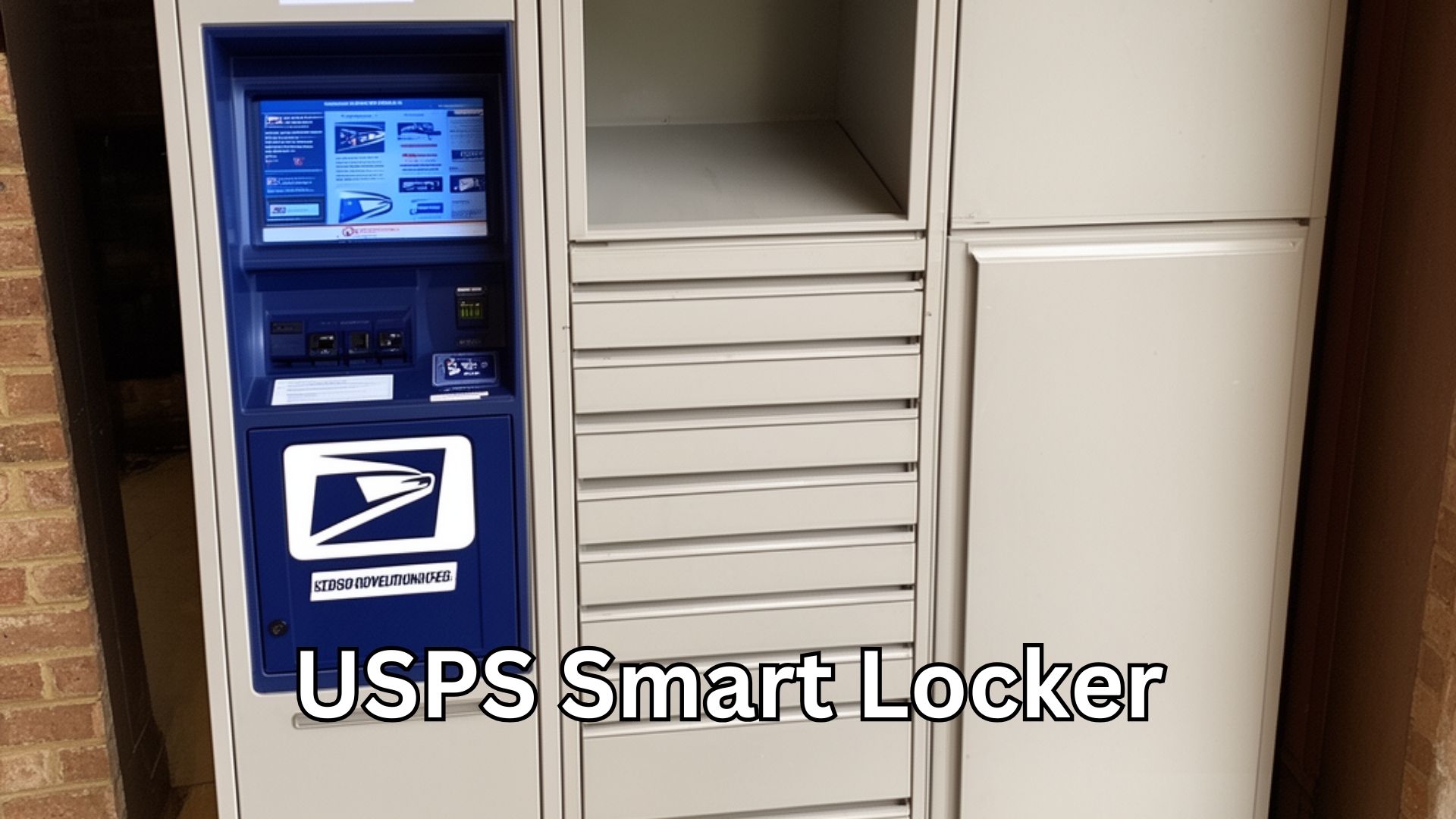
Usps smart locker systems are rapidly transforming how Americans receive parcels, offering a secure, convenient, and time-saving alternative to traditional doorstep delivery. As package volumes continue to surge in 2026 due to booming e-commerce, missed deliveries and stolen parcels have become everyday frustrations. This modern locker solution, introduced by the United States Postal Service, is designed to eliminate those problems while improving efficiency for both customers and carriers.
Delivery expectations have changed dramatically over the past decade. With platforms like Amazon, Walmart, and eBay pushing same-day and next-day shipping, consumers now demand flexibility, speed, and reliability. Secure parcel compartments are becoming a core part of modern infrastructure in apartment complexes, office buildings, and urban hubs across the United States.
The Evolution of Secure Parcel Delivery in 2026
Online shopping is no longer a luxury—it is the default buying behavior. In 2026, industry analysts estimate that over 70% of retail purchases involve some form of home shipment. This dramatic shift has forced logistics providers to rethink last-mile delivery.
Traditional doorstep drop-offs often lead to three major problems: theft, weather damage, and failed delivery attempts. In busy cities, carriers sometimes attempt delivery multiple times, increasing operational costs and delays.
Smart locker technology solves this by providing centralized, secure compartments. When a package arrives, the recipient receives a unique access code. Instead of worrying about porch piracy or missed deliveries, the customer retrieves the parcel at their convenience.
This system is especially beneficial for apartment residents, where dozens or even hundreds of parcels arrive daily.
How USPS Smart Locker Technology Works
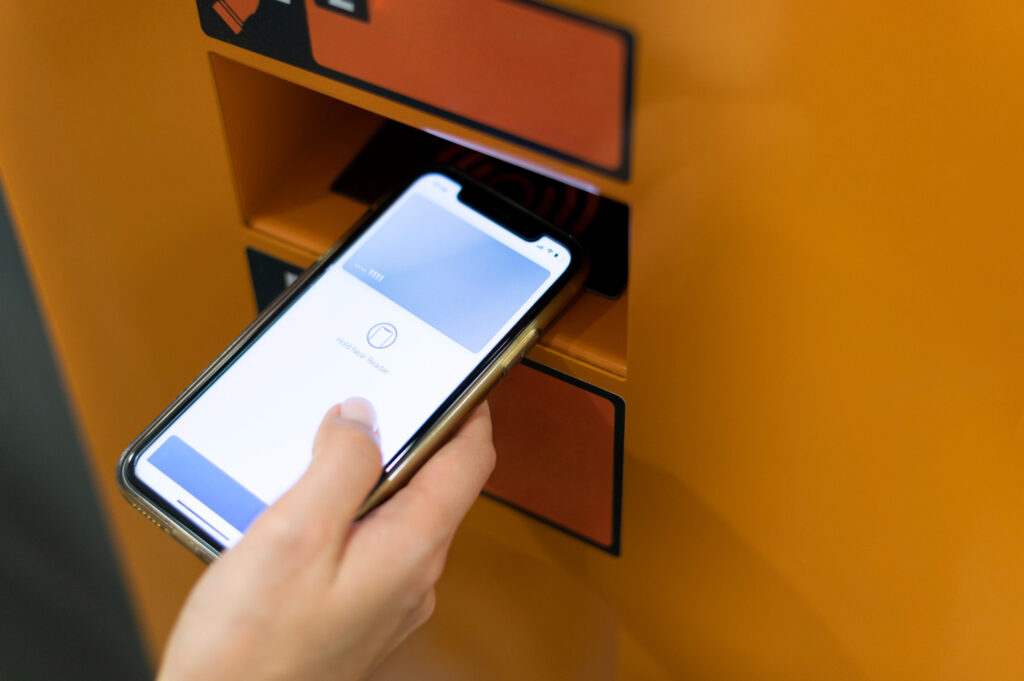
The usps smart locker operates through a digital notification system integrated with postal tracking. Once a package is delivered to a locker unit, the recipient receives a text message or email containing a secure code or QR access link.
Upon entering the code on the locker screen, the assigned compartment opens automatically. The entire pickup experience is completed in under half a minute, making it fast and effortless for users.
In many residential buildings, these lockers are installed in lobbies or mailrooms. For office spaces, they are often placed in secure reception areas. Some pilot programs in 2026 are even testing outdoor standalone units in high-traffic neighborhoods.
The simplicity of the system reduces congestion in mailrooms and minimizes direct contact between residents and carriers, which continues to be valued even post-pandemic.
Real-World Example: Apartment Living in Major Cities
Consider a 200-unit apartment building in New York. Previously, management staff handled packages manually, leading to cluttered storage rooms and frequent mix-ups. After installing smart parcel compartments in early 2026, retrieval times dropped dramatically, and reported theft incidents fell by more than 80%.
Tenants reported higher satisfaction because they could collect parcels late at night without waiting for office hours. Property managers also noticed reduced administrative workload.
Similar improvements have been documented in residential complexes in Chicago and Los Angeles, demonstrating scalability across diverse urban settings.
Comparison: Traditional Delivery vs. Smart Locker System
In traditional delivery, parcels are left at doorsteps or with neighbors. This exposes packages to theft, weather damage, and delivery disputes. Carriers must also make repeated attempts if no one is home.
In contrast, locker-based delivery centralizes drop-offs. It enhances accountability, reduces human error, and ensures that parcels remain protected until retrieved. Operationally, it allows postal workers to deliver multiple packages to one location efficiently, cutting down time per route.
While some private carriers offer similar systems, the involvement of a federal entity like the United States Postal Service provides broader national integration and reliability.
Security Advantages in 2026
Package theft continues to rise in suburban and urban areas alike. Security cameras alone have not fully solved the problem.
The usps smart locker introduces encrypted digital access, limited-time retrieval codes, and tamper-resistant compartments. Some advanced installations now include surveillance integration and real-time tracking logs for property managers.
This layered approach significantly reduces risk. Even if someone gains access to a building lobby, they cannot open a locker without the correct digital credentials.
Environmental and Operational Benefits
Centralized drop-off points reduce fuel usage. Instead of visiting dozens of individual doors, carriers deliver all packages in one secure location.
This streamlined process cuts emissions, shortens delivery windows, and supports sustainability initiatives—an increasing priority in 2026. Efficient routing also lowers operational costs, potentially keeping postage rates more stable over time.
Additionally, reduced redelivery attempts mean fewer wasted trips, which benefits both customers and postal workers.
Challenges and Considerations
Although adoption is growing, not every building has locker infrastructure. Installation costs can be significant for smaller properties. Rural areas may also face logistical hurdles due to lower population density.
However, as demand increases, modular and cost-effective models are entering the market. Some municipalities are even considering shared locker hubs in community centers.
Public awareness is another factor. Many residents still do not realize such services are available in their building or neighborhood.

The Role of Technology Integration
Modern parcel systems are no longer standalone metal boxes. They integrate with mobile apps, digital mail tracking, and property management software.
In 2026, some developments are experimenting with biometric verification and app-based remote access. These features further streamline retrieval and enhance user trust.
As smart city initiatives expand, centralized parcel solutions may connect with broader urban infrastructure networks, improving data-driven delivery optimization.
What the Future Holds
The growth of online shopping continues to surge, showing no signs of slowing down. With same-day delivery becoming common, secure retrieval points are transitioning from luxury amenities to essential infrastructure.
Large residential developers are now including locker systems in new construction by default. Corporate offices are also installing them to manage employee shipments efficiently.
As consumer expectations continue to rise, the usps smart locker model represents a strategic adaptation to modern logistics demands.
Why This Matters for Everyday Consumers
For individuals, convenience is the biggest advantage. No more waiting at home. No more asking neighbors to collect parcels. No more anxiety about stolen packages.
For property managers, the reduction in clutter and administrative burden is transformative.
For postal workers, route efficiency improves significantly.
The combined impact creates a win-win system that aligns with 2026 delivery realities.

FAQS
What Is A USPS Smart Locker?
A USPS smart locker is a secure, electronically controlled parcel compartment system that allows recipients to retrieve packages using a digital code sent after delivery.
Is There An Extra Fee To Use The Locker Service?
In most residential settings, there is no direct fee for residents. Costs are typically covered by property management or building owners.
Are Smart Lockers Available Nationwide?
Availability depends on building participation and regional infrastructure. Adoption is expanding steadily across major metropolitan areas in 2026.
How Secure Are These Lockers Compared To Doorstep Delivery?
Locker systems are significantly more secure because access requires a unique digital code, and compartments are built to resist tampering.
Can Businesses Use This Delivery Method?
Yes. Many office buildings now use centralized parcel compartments to manage employee shipments efficiently.
Final Thoughts: A Smart Shift Toward Secure Delivery
Modern delivery challenges require innovative solutions. As e-commerce reshapes consumer behavior, secure and centralized parcel management becomes essential rather than optional.
The usps smart locker represents a forward-thinking response to rising package volumes, theft concerns, and efficiency demands. By blending digital technology with physical infrastructure, it provides a reliable system that benefits consumers, property managers, and carriers alike.
As someone who has analyzed logistics trends and postal innovations for years, I can confidently say this approach is not just a temporary fix—it is a structural evolution in last-mile delivery.
In 2026 and beyond, secure locker networks will likely become standard across residential and commercial developments nationwide. Those who adopt early stand to gain convenience, security, and peace of mind in an increasingly fast-paced digital economy.
Also Read: Filmy God Astonishing Secrets: The Ultimate Bollywood Streaming Experience You Can’t Miss in 2026