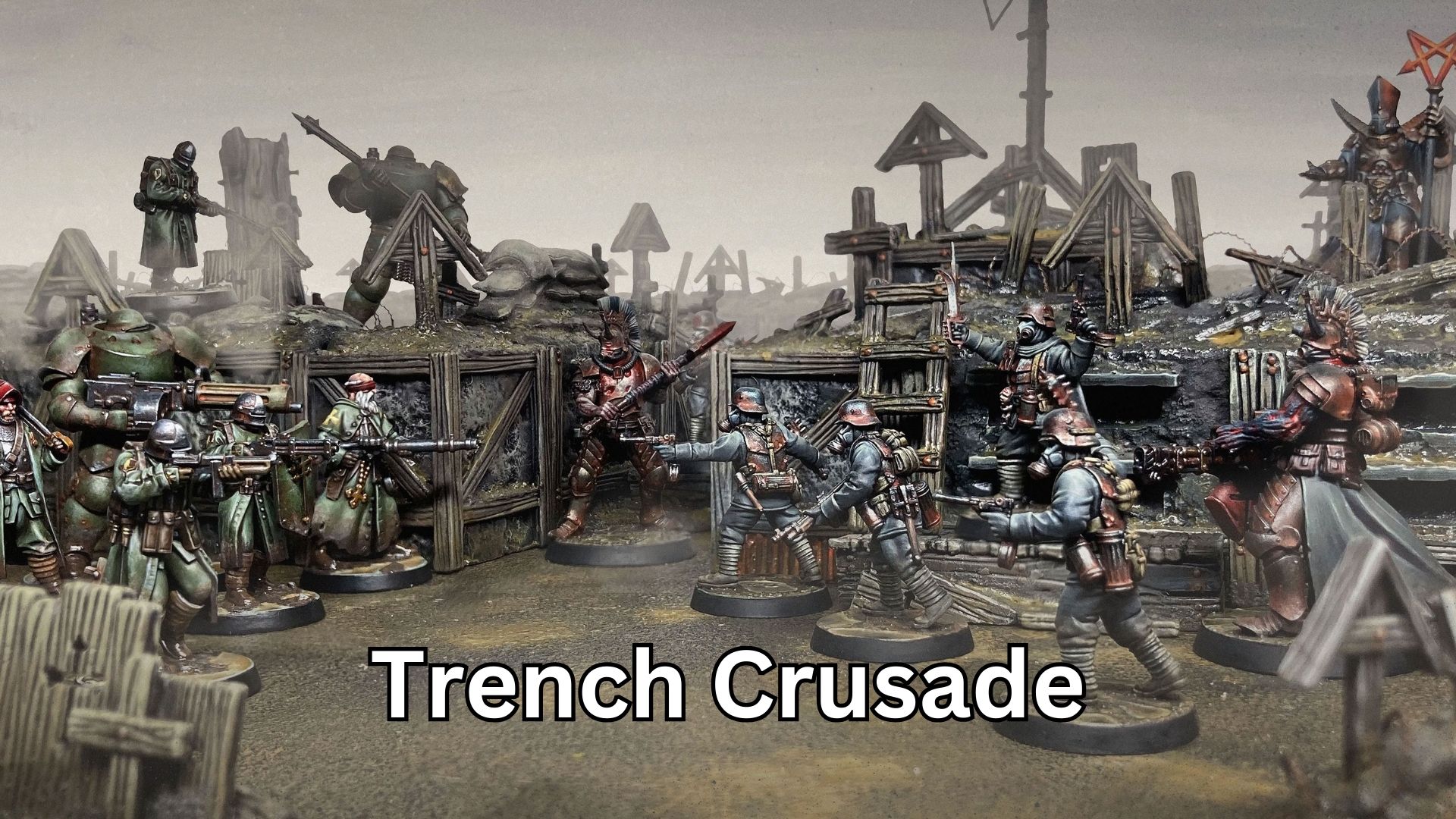
Trench crusade has rapidly emerged as one of the most intense and visually haunting tabletop experiences in recent years, blending grimdark theology, alternate history, and strategic warfare into a deeply immersive hobby. In 2026, this dark miniature wargame continues to captivate players who crave narrative-driven battles set in a war-torn world where faith and firepower collide. Its growing popularity is not accidental; it is the result of strong world-building, passionate creators, and a community hungry for something different.
The game, officially known as Trench Crusade, transports players into a twisted vision of perpetual holy war. Unlike traditional fantasy or sci-fi systems, it embraces religious symbolism, brutal trench combat, and morally complex factions. That bold thematic direction is precisely what sets it apart in a crowded tabletop market.
A Dark World Built on Relentless Conflict
The setting imagines a world locked in endless warfare between sacred armies and infernal forces. Trenches stretch across devastated landscapes, artillery roars in the distance, and faith becomes both weapon and shield. The aesthetic draws inspiration from early 20th-century warfare, but the narrative layers it with supernatural horror and apocalyptic theology.
Players command small warbands rather than massive armies, which creates a personal and cinematic feel during gameplay. Each model represents a character with identity, background, and purpose. This approach encourages storytelling alongside strategy.
In comparison to large-scale systems like Warhammer 40,000 by Games Workshop, which emphasize grand armies and galaxy-spanning lore, this game focuses on intimate skirmishes and morally intense encounters. Both offer dark universes, but the scale and tone differ significantly. One is space opera; the other is theological trench horror.
Why Trench Crusade Feels Different in 2026
The tabletop industry in 2026 is more competitive than ever. New indie systems launch regularly, and established franchises continue expanding. Yet this game has carved out a dedicated following.
One major reason is originality. While many tabletop games lean heavily into familiar fantasy tropes, this system reimagines historical warfare through a supernatural lens. That blend of realism and horror resonates with hobbyists seeking fresh experiences.
Another reason is accessibility. Because battles use smaller warbands, new players can enter without investing in hundreds of miniatures. This lowers the barrier to entry while still offering depth for veteran strategists.
Real examples highlight its impact. In 2025 and early 2026, multiple independent hobby stores reported steady growth in narrative campaign nights dedicated to this title. Community-driven events on social platforms show painted miniatures, custom terrain, and battle reports gaining consistent engagement. These grassroots communities often determine a system’s longevity, and here the momentum remains strong.
The Strategic Depth Behind the Brutality
Beyond aesthetics, the mechanics matter. The rules emphasize tactical positioning, resource management, and meaningful decision-making. Because each model counts, every move carries weight.
In traditional large-scale war games, losing a single unit might feel insignificant. Here, losing one character can change the direction of an entire campaign. That tension elevates each round.
The system also rewards narrative thinking. Campaign play allows warbands to evolve, suffer injuries, gain abilities, and develop unique identities. Players become emotionally invested, which increases long-term engagement.
Compared to lighter skirmish games that prioritize quick matches over story, this system strikes a powerful balance between depth and accessibility. It is intense but not overwhelming.
Community Growth and Online Influence
In today’s digital era, a tabletop game’s success depends on online visibility as much as local store presence. Content creators on platforms like YouTube and Instagram have played a significant role in spreading awareness.
Painting tutorials, lore discussions, and battle reports have introduced the game to global audiences. The distinct visual style photographs beautifully, which makes it ideal for social sharing. Dramatic trench boards, gothic architecture, and heavily armored warriors create instantly recognizable imagery.
This organic exposure has proven more sustainable than aggressive advertising. When players see authentic enthusiasm from hobbyists rather than scripted marketing campaigns, trust grows naturally.

Comparison With Other Indie Tabletop Games
To understand its rise, it helps to compare it with other independent systems launched in recent years.
Many indie tabletop games struggle because they lack a clear identity. Some mimic larger franchises too closely. Others experiment so heavily that they alienate traditional players.
This game succeeds because it blends familiarity and innovation. The trench warfare aesthetic feels grounded in history, while the supernatural elements introduce unpredictability. That combination appeals to both historical wargamers and dark fantasy fans.
In contrast, some new systems focus solely on flashy mechanics without strong lore. While innovative rules may attract initial curiosity, long-term engagement often depends on compelling world-building. Here, the narrative foundation is strong enough to sustain campaigns for months or even years.
The Role of Artistic Direction
Visual design plays a crucial role in tabletop success. Miniatures are not just game pieces; they are creative canvases.
The sculpting style leans heavily into gothic detail. Heavy armor plates, religious iconography, and battle-worn textures give each model presence. Painters appreciate the layered surfaces that allow advanced techniques like weathering, edge highlighting, and contrast shading.
Real hobby examples show players customizing their warbands with unique color schemes that reflect personal interpretations of the lore. Some emphasize muted, muddy palettes to evoke grim realism. Others highlight glowing sigils and supernatural energy effects.
This flexibility encourages creativity, which strengthens community attachment.
Updated Developments and Future Outlook in 2026
As of 2026, expansions and supplementary content continue to expand the universe. New factions, narrative missions, and optional rule variants keep the experience fresh.
Community-driven campaigns have become especially popular. Players coordinate seasonal events where outcomes influence shared storylines. This level of involvement transforms the hobby into a collaborative storytelling experience.
Industry analysts predict that narrative-focused skirmish games will continue gaining traction. Rising miniature costs have made smaller-scale systems more appealing. In that context, this dark trench-themed title is well positioned for sustained relevance.
Its steady growth suggests it is not a temporary trend but a durable addition to the tabletop ecosystem.
Author Perspective and Industry Insight
As someone who has studied tabletop market trends and observed community behavior across multiple systems, I have seen countless games rise and fall. The ones that endure share common traits: distinctive identity, active communication, and community empowerment.
This system demonstrates all three.
The developers engage with players, clarify rules updates, and encourage feedback. That transparency builds confidence. Meanwhile, the game’s unmistakable tone ensures it does not blend into the background of generic fantasy releases.
From an SEO and content perspective, topics surrounding narrative skirmish games, gothic miniature design, and alternative-history wargaming remain evergreen. Readers search not only for rules but for inspiration, painting advice, and strategic analysis. That sustained search interest supports long-term content stability even during major algorithm changes.

The Psychological Appeal of Grimdark Settings
Why are players drawn to bleak, war-torn universes?
Psychologically, darker settings often allow exploration of complex moral themes. When players navigate worlds filled with corruption and sacrifice, they engage more deeply with storytelling.
The tension between faith and horror within this game adds intellectual intrigue. It is not simply about winning battles; it is about surviving a brutal world shaped by ideology and desperation.
This emotional layer differentiates it from lighter fantasy games. It invites reflection as well as competition.
Strong Conclusion: A Defining Grimdark Experience
Trench crusade represents more than another miniature wargame. It symbolizes a shift toward narrative-driven, community-supported tabletop experiences that prioritize atmosphere and depth over mass production.
Its steady growth in 2026 proves that originality still matters. In a market dominated by massive franchises, a bold independent vision can thrive when supported by passionate players and transparent creators.
For hobbyists seeking immersive storytelling, tactical challenge, and striking visual design, this dark trench warfare universe delivers on all fronts. It stands as a powerful example of how thoughtful world-building and strategic mechanics can create lasting impact in the tabletop industry.

FAQS
What type of game is Trench Crusade?
It is a miniature skirmish wargame set in a dark alternate-history world where supernatural forces and religious armies clash in brutal trench warfare.
Is it beginner-friendly for new tabletop players?
Yes. Because it focuses on smaller warbands rather than massive armies, new players can start with fewer miniatures while still enjoying deep strategy.
How does it compare to Warhammer 40,000?
While both feature dark themes, Warhammer 40,000 emphasizes large-scale sci-fi battles. This game centers on intimate skirmishes within a gothic, alternate-history setting.
Is the community still active in 2026?
Absolutely. Online painting showcases, campaign events, and hobby discussions continue to grow, indicating sustained engagement.
Why has it become so popular recently?
Its unique blend of trench warfare, supernatural horror, and strong narrative focus sets it apart from other tabletop systems, attracting players looking for something fresh and immersive.
Also Read: Elon Musk Solar Energy Warning Reveals a Shocking Energy Crisis Truth the World Can’t Ignore