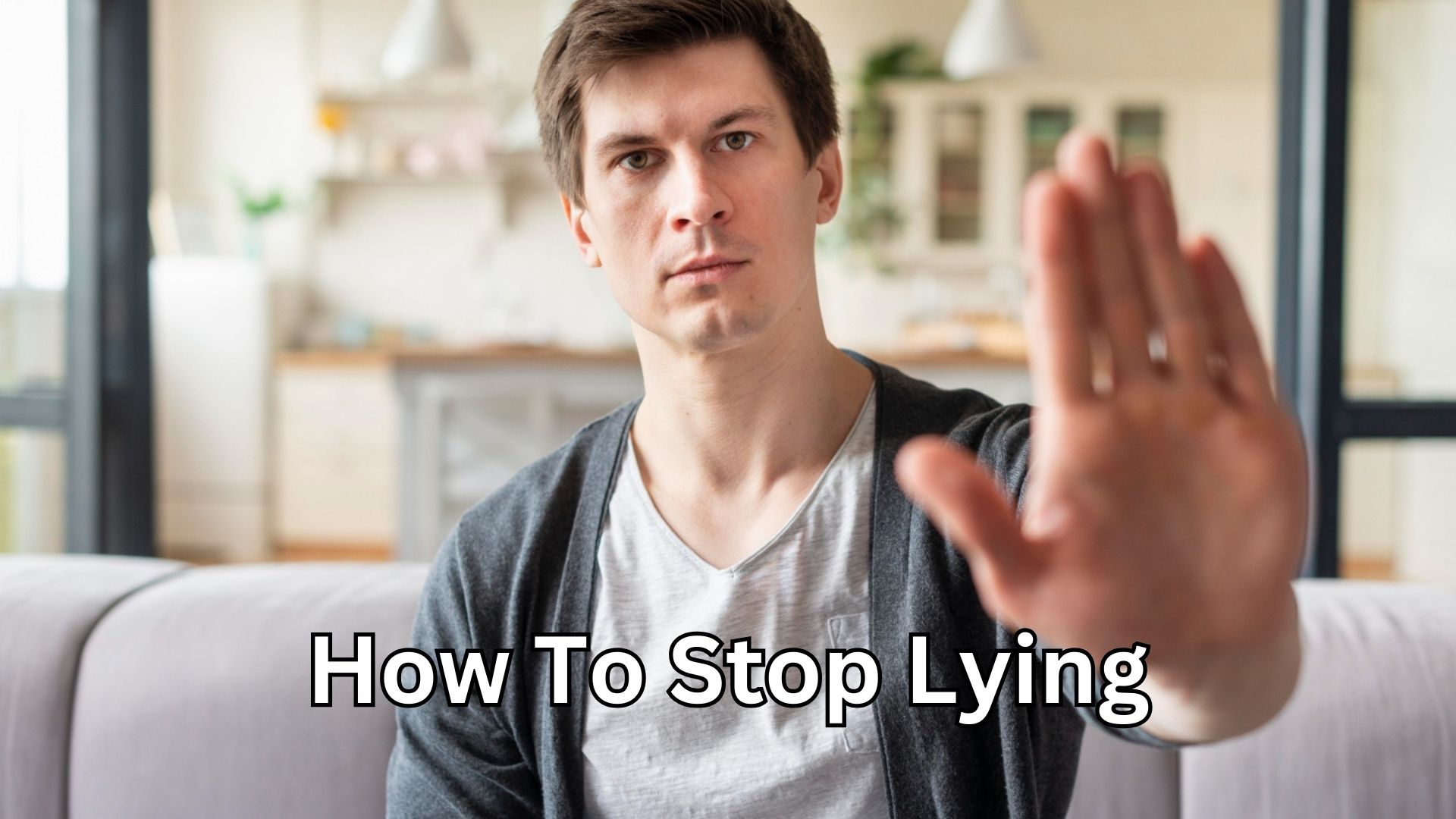
Learning how to stop lying can feel overwhelming, especially if dishonesty has become a habit. Whether it’s small white lies or more serious deceptions, the act of lying often brings guilt, damages trust, and erodes self-respect. But the good news is—just as it’s possible to learn to lie, it’s also possible to learn to live truthfully. The journey toward honesty is difficult but deeply rewarding, opening the path to integrity, peace of mind, and genuine relationships.
This article explores why people lie, the hidden costs of deception, and practical, actionable strategies to help you break free from this behavior once and for all.
Understanding Why People Lie
Before you can change a habit, you must first understand its roots. Lying often starts as a self-protection mechanism. People tell falsehoods to avoid conflict, punishment, or embarrassment. In some cases, lying is driven by fear of rejection or the desire to appear more successful than they really are.
Lies can begin innocently, but over time they grow like weeds—spreading through conversations, damaging trust, and leaving lasting consequences. Many individuals don’t even realize how frequently they lie until they take time to observe their daily communication.
Recognizing why lying occurs is the first step in overcoming it. Whether the cause is insecurity, fear, habit, or stress, awareness shines a light on behavior that thrives in darkness.
The Real Cost of Dishonesty
Every lie you tell might protect you momentarily, but it comes at a long-term price. Lies create emotional distance—between you and others, but also within yourself. Over time, dishonesty breeds anxiety, guilt, and a constant fear of being exposed.
Trust, once broken, is hard to rebuild. It’s like shattering glass—repairable, perhaps, but never quite the same. Friends, partners, and colleagues lose confidence, and relationships grow fragile. Even if people forgive you, they may not forget your deception.
When lying becomes habitual, it can also cause deep internal conflict. You start questioning your identity, doubting your words, and losing respect for yourself. Honesty, in contrast, feels liberating—it frees you from the exhausting work of pretending.

Recognizing When and Why You Lie
One of the most profound exercises in breaking the lying habit is to notice when and what triggers it. Do you lie to avoid blame? To appear more competent? Or simply because it feels easier than explaining the truth?
Journaling can help uncover patterns. Write down situations that tempt you to twist facts. Often, you’ll notice the urge to lie arises from discomfort or insecurity. For example, someone might lie about being busy to skip a task, or exaggerate success to impress. Once you see these triggers clearly, you can begin to face them honestly.
Understanding your motivation doesn’t excuse lying—but it gives you the insight needed to correct it.
How to Stop Lying and Rebuild Trust
Change requires intention and practice. Honesty won’t appear overnight, especially if you’ve relied on dishonesty for years. But small, consistent shifts can transform both your inner peace and your relationships.
Confront the Habit and Accept Responsibility
Admitting you have a lying problem isn’t weakness—it’s strength. Facing yourself honestly is the foundation of change. Accepting responsibility pulls you out of denial and empowers you to take control.
When you catch yourself about to lie, pause. Think about why you’re compelled to do it. Choose silence or honesty, even if it’s uncomfortable. Over time, this conscious interruption weakens the old habit loop.
Replace Lies with Truth in Small Steps
If you’ve been lying for years, abrupt transformation may not be realistic—but gradual honesty is achievable. Begin practicing honesty with the little things first. The relief you’ll feel each time will reinforce your belief that integrity is lighter to carry than falsehood.
The more you practice honesty, the stronger that muscle becomes. Eventually, telling the truth feels natural—lying begins to feel unnecessary and burdensome.
Build Self-Worth and Heal the Root Cause
Most lies trace back to low self-esteem or fear. When you feel inadequate, lying seems like a defense to protect your image. But the real solution is healing your self-worth.
Practice self-compassion. Remind yourself that vulnerability isn’t shameful—it’s powerful. People appreciate authenticity more than perfection. Owning your truth—even your flaws—earns you deeper respect.
Strengthen Accountability
Tell someone you trust that you’re trying to change. Having an accountability partner—whether a close friend, therapist, or mentor—keeps your progress transparent. Their support can help you stay consistent and honest, even when it’s hard.
Accountability transforms private promises into public commitments. When others know your goal, you gain both motivation and encouragement.
Learn to Handle Consequences with Courage
The fear of facing consequences often sustains lies. But when you learn to accept responsibility without escaping through dishonesty, you discover emotional maturity. Apologize when necessary, make amends, and accept the outcome. Over time, the discomfort fades, replaced with pride and peace.
It’s better to face a moment of embarrassment than to live a lifetime of pretending.

Emotional Freedom Through Truth
As you let go of deceit, your mental and emotional space will expand. Honesty cleanses your conscience. You’ll notice lower anxiety levels, smoother communication, and more fulfilling relationships. Even simple things—like speaking without hesitation—become deeply freeing.
Truth has a grounding effect—it aligns who you are with what you say. Living transparently helps you reconnect with your authentic self, restoring balance and confidence.
Rebuilding Trust with Others
If your lies have damaged relationships, redemption is still possible. The key is patience. People need time to see you’ve changed. Be consistent—don’t promise honesty; show it through actions. Avoid defensive justifications and acknowledge the pain your dishonesty caused.
Over time, consistent truthfulness and authenticity will rebuild the bridges that lies once burned.
Healing takes time, but when others recognize your growth, their faith follows—and so does self-respect.

The Long-Term Benefits of Living Honestly
Living truthfully doesn’t just fix relationships—it enhances your entire life. Honesty promotes healthier communication, stronger boundaries, and emotional calm. It clears the mental clutter caused by lies and inconsistency.
Professionally, honesty builds credibility. Personally, it nurtures deeper love and connection. Spiritually, it transforms your perspective—you begin to see that truth isn’t punishment, it’s liberation.
Every truthful choice creates ripple effects—each one bringing you closer to personal peace and fulfilling relationships.
Conclusion
Learning how to stop lying is a lifelong commitment to authenticity and courage. It’s not about never making mistakes; it’s about confronting them honestly. When you live aligned with your truth, guilt fades, confidence rises, and relationships flourish.
The path might be uncomfortable at first, but the reward is freedom—freedom from fear, pretense, and self-doubt. Remember, honesty is more than a virtue; it’s a way of life that allows your true self to shine every day. Start small, stay consistent, and let the truth transform your world.
Also Read: Understanding Acceleration Due to Gravity: A Powerful Force of Nature