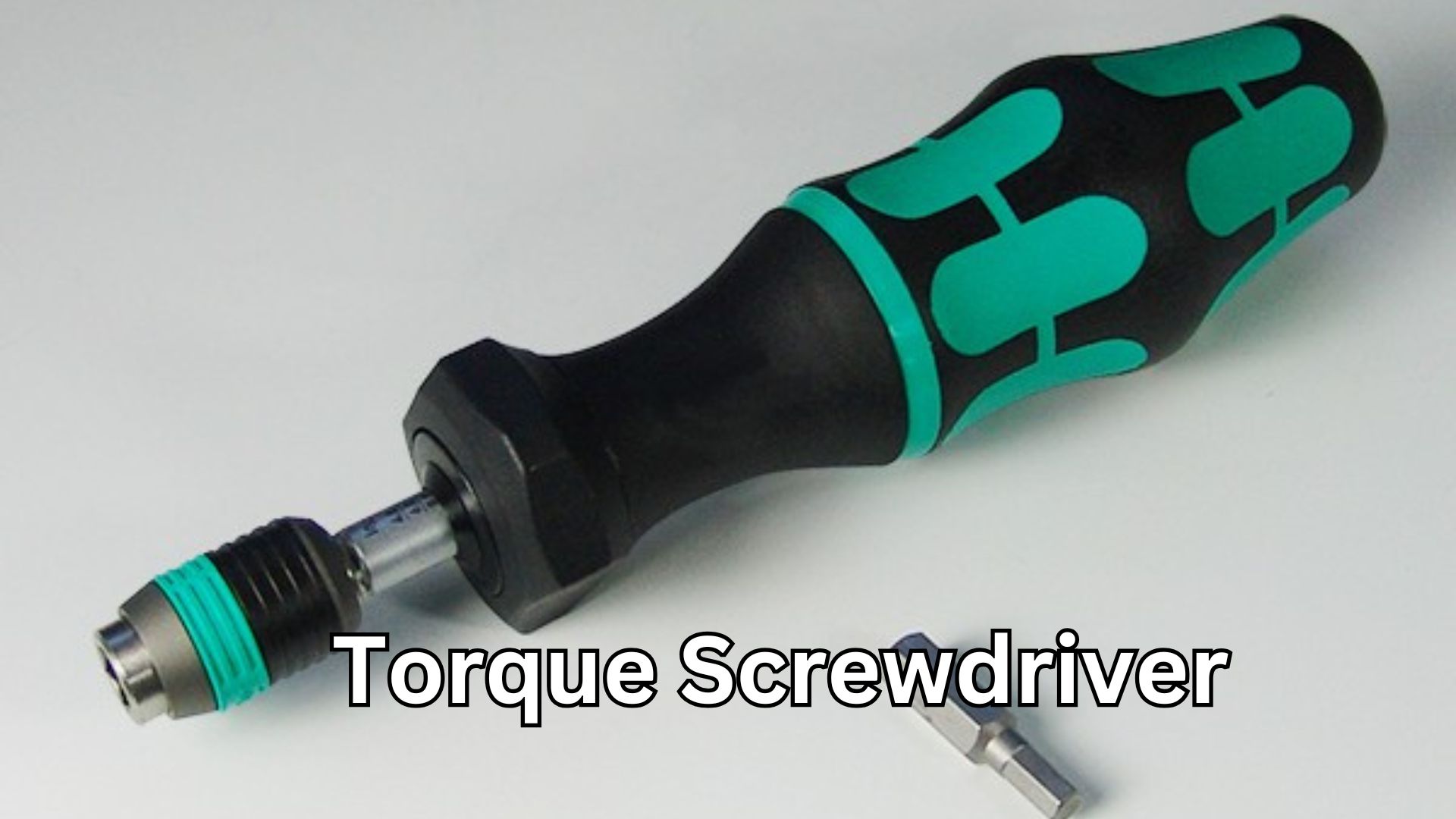
The torque screwdriver is an essential precision tool designed to apply an exact amount of force when tightening screws, helping users avoid over-tightening or under-tightening in sensitive applications. From electronics and home repairs to mechanical assemblies, this tool ensures accuracy, consistency, and long-term durability. Professionals and serious DIY users rely on it not because it is flashy, but because precision often determines whether a project succeeds or fails.
In many situations, applying too much force can damage threads, crack materials, or compromise safety. On the other hand, insufficient tightening may lead to loose connections that fail over time. This is where controlled torque becomes critical, especially in environments where reliability matters more than speed.
Why Precision Matters in Modern Tools
Modern equipment is far more delicate than it was decades ago. Devices today are lighter, smaller, and often built with composite materials that cannot tolerate excessive force. Precision fastening has become a requirement rather than a preference.
Using a standard hand driver relies heavily on user judgment, which can vary significantly. Fatigue, experience level, and working conditions all influence how much force is applied. Precision-controlled tools remove that uncertainty by delivering consistent results every time, regardless of who is using them.
This consistency is especially important in electronics, medical equipment, and fine mechanical assemblies where even slight deviations can cause malfunction. Precision fastening tools help maintain manufacturer specifications and reduce the risk of costly rework.
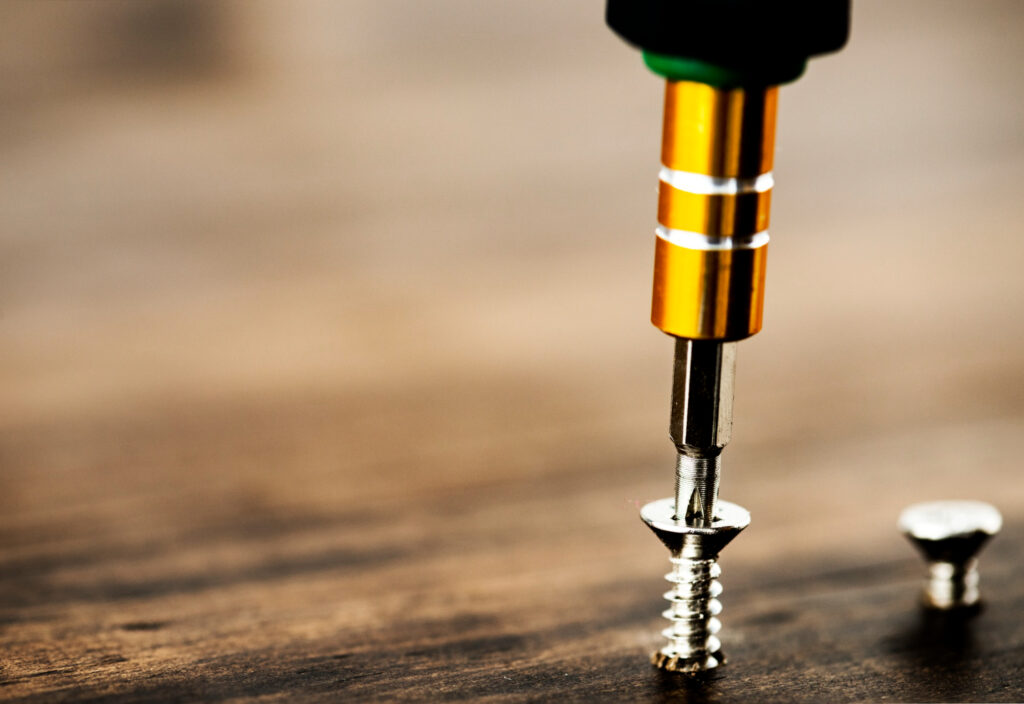
Torque Screwdriver and Controlled Fastening
Torque Screwdriver in Professional and DIY Use
A torque screwdriver works by limiting the amount of rotational force applied to a fastener. Once the preset torque level is reached, the tool either clicks, slips, or releases, signaling that the correct force has been achieved. This simple yet effective mechanism protects both the fastener and the material being secured.
Professionals value this tool for its repeatability. When assembling multiple components that require identical torque settings, consistency becomes effortless. DIY users benefit just as much, especially when working on home improvement projects involving appliances, cabinetry, or light mechanical repairs.
Unlike impact drivers or power tools, controlled torque tools prioritize accuracy over speed. This makes them ideal for tasks where precision is more important than rapid completion.
Types of Applications Where Accuracy Is Critical
Precision fastening plays a key role in many industries. In electronics, small screws hold circuit boards and delicate housings in place. Applying too much force can crack boards or strip threads beyond repair. In cycling and automotive interiors, controlled fastening prevents damage to lightweight materials while maintaining structural integrity.
Home improvement projects also benefit from this approach. Installing fixtures, adjusting door hardware, or assembling furniture often involves materials like plastic, aluminum, or engineered wood that require careful handling. Precision tools help achieve a secure fit without compromising appearance or strength.
Over time, accurate fastening also improves durability. Screws tightened correctly are less likely to loosen due to vibration or temperature changes, reducing maintenance needs in the long run.

How Controlled Torque Improves Safety and Longevity
Safety is often overlooked when discussing fastening tools, yet it remains a critical factor. Incorrectly tightened screws can lead to component failure, which may cause injury or equipment damage. Precision torque application minimizes this risk by ensuring that each fastener performs as intended.
From a longevity standpoint, materials experience less stress when tightened correctly. Threads remain intact, surfaces are not compressed beyond their limits, and components maintain their original alignment. This reduces wear and extends the usable life of both the fastener and the assembled product.
In environments where inspections or compliance standards apply, controlled torque also supports accountability. Consistent fastening helps meet technical requirements without relying on subjective judgment.
Manual Versus Adjustable Torque Tools
Manual torque-controlled tools are simple, durable, and easy to maintain. They are often preferred in environments where reliability and tactile feedback matter. Adjustable versions allow users to set specific torque values, making them suitable for a wide range of tasks.
Some designs include measurement scales, while others rely on preset factory calibrations. Each approach has its advantages, depending on the level of precision required. What matters most is choosing a tool that aligns with the application rather than opting for excessive complexity.
Regardless of design, regular calibration ensures accuracy over time. Like any precision instrument, performance can drift if the tool is heavily used or improperly stored.

Choosing the Right Tool for Long-Term Value
Selecting the right precision fastening tool involves understanding your typical tasks. Consider the materials you work with, the torque ranges required, and how frequently the tool will be used. A well-matched tool delivers better results and reduces frustration.
Build quality also plays a role in long-term value. High-quality materials, smooth adjustment mechanisms, and clear feedback indicators all contribute to better user experience. Investing in reliability often saves money by preventing damage and replacement costs later.
Storage and handling matter as well. Proper storage protects calibration accuracy and extends tool lifespan, ensuring consistent performance over years of use.
Maintenance and Best Practices
Keeping a precision fastening tool in good condition does not require complex procedures. Avoid dropping it, store it in a protective case, and follow manufacturer recommendations for recalibration intervals. These small steps preserve accuracy and reliability.
Using the tool only within its specified torque range also prevents internal wear. Precision instruments are designed for accuracy, not excessive force, and respecting their limits ensures dependable operation.
Final Thoughts on Precision and Performance
The torque screwdriver stands out not because it is complicated, but because it solves a problem that many users underestimate. Precision fastening protects materials, improves safety, and delivers consistent results across a wide range of applications.
Whether used in professional settings or home improvement projects, this tool offers a balance of control and reliability that standard drivers cannot match. By focusing on accuracy rather than force, it supports better craftsmanship and long-term performance, making it a valuable addition to any serious toolkit.
Also Read: Blower Motor Resistor: The Powerful Yet Frustrating HVAC Component You Should Understand