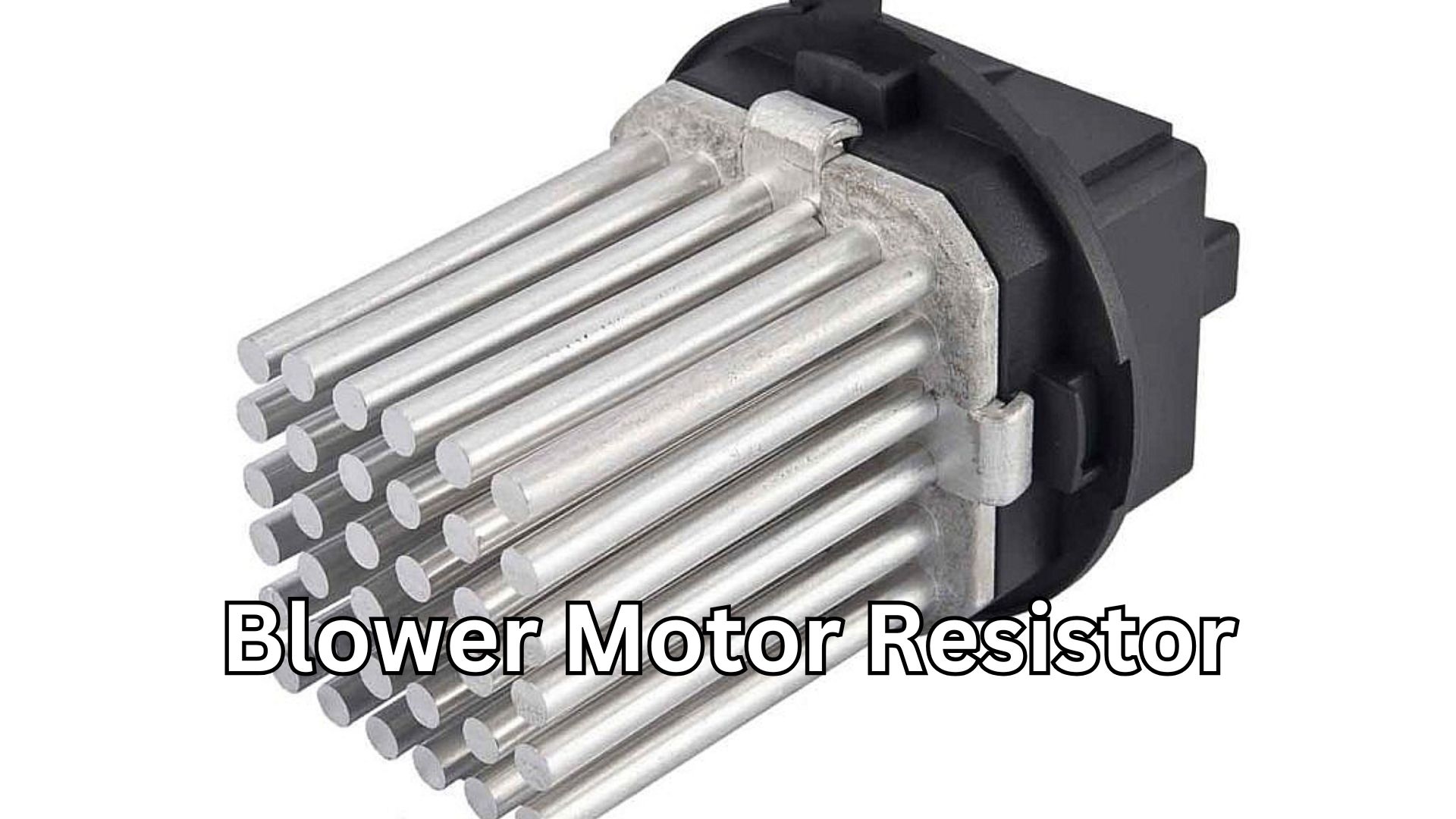
The blower motor resistor plays a surprisingly critical role in how your vehicle’s heating and air conditioning system performs, even though most drivers never think about it until something goes wrong. When cabin airflow suddenly gets stuck on one speed or stops responding altogether, this small electrical part is often the hidden cause. Understanding how it works, why it fails, and what symptoms it creates can save time, money, and unnecessary repairs.
Your car’s HVAC system is designed for comfort, but comfort depends on precise electrical control. This component quietly manages that control, translating your dashboard fan settings into real airflow inside the cabin. When it begins to fail, the result can feel frustrating, inconvenient, and sometimes even alarming during extreme weather.
How the HVAC Fan Speed System Actually Works
Modern vehicles rely on a combination of electrical signals and mechanical movement to regulate airflow. When you turn the fan speed knob or press a climate control button, you’re not directly changing the motor’s strength. Instead, you’re sending a signal that adjusts how much electrical resistance is applied before power reaches the blower motor.
That resistance is what allows multiple fan speeds to exist rather than a simple on-or-off function. Lower speeds use more resistance, reducing current flow. Higher speeds bypass much of that resistance, allowing the motor to spin faster. This design keeps the system efficient while offering precise control over airflow.
Because this part sits directly in the airflow path, it is constantly exposed to heat. Over time, that heat can weaken internal coils or electronic elements, especially in vehicles driven in hot climates or with heavily used air conditioning systems.
Common Symptoms That Indicate a Hidden Failure
When this component begins to degrade, the symptoms usually appear gradually. Many drivers first notice that certain fan speeds no longer work. For example, the blower may function only on the highest setting, or it may stop working entirely except for one speed.
Another common sign is inconsistent airflow that changes without input from the driver. In some cases, the fan may cut out intermittently, especially after extended use. These behaviors often confuse vehicle owners, leading them to suspect the motor itself, the climate control panel, or even a wiring issue.
Electrical odor inside the cabin can also appear in more severe cases. This smell often comes from overheating resistive elements and should never be ignored, as it can signal impending failure or electrical damage elsewhere in the system.

Why This Part Fails More Often Than You Expect
Heat is the primary enemy of resistive components. Each time you use lower fan speeds, excess electrical energy is converted into heat. Over months and years, this repeated heating and cooling cycle can weaken internal connections.
Dust and debris also play a role. Since the unit is mounted near the airflow duct, clogged cabin air filters can restrict airflow, causing additional heat buildup. Moisture intrusion, especially in humid environments, can further accelerate wear by corroding sensitive contacts.
In vehicles with automatic climate control, the design may differ slightly, but the underlying principle remains the same. Even advanced systems rely on controlled resistance or electronic modules to regulate fan speed, and those components are still subject to stress.
Blower Motor Resistor and Modern Vehicle Electronics
Blower Motor Resistor in Today’s Cars
In newer vehicles, the traditional design has evolved into more complex electronic control modules, but the core purpose remains unchanged. The blower motor resistor still determines how electrical power is delivered to the fan, whether through resistive coils or solid-state electronics.
These newer designs often provide smoother speed transitions and improved efficiency. However, they can be more expensive to replace and may require diagnostic tools to confirm failure. Despite this complexity, the symptoms remain similar, making careful observation just as important as professional scanning.
Understanding this evolution helps explain why replacement costs vary so widely between vehicles. A simple manual system may involve a low-cost part, while a digitally controlled setup can involve a more advanced and costly module.
Diagnosis Without Guesswork
Accurate diagnosis begins with pattern recognition. If the fan only works on high speed, the issue is rarely the motor itself. High speed usually bypasses resistance, meaning the motor is still healthy. This clue points directly toward the control component rather than mechanical failure.
Professional technicians may use a multimeter to check continuity or voltage drops across the circuit. In many cases, visual inspection reveals heat damage or burned connectors. However, replacing the wrong part can be expensive, so proper diagnosis is essential before proceeding.
It’s also important to rule out simple issues like a blown fuse or a worn fan switch. These problems can mimic similar symptoms but require different solutions.

Replacement Considerations and Long-Term Reliability
Replacing this component is generally straightforward, but access varies depending on vehicle design. It is often located behind the glove box or under the dashboard, mounted directly into the HVAC housing. Labor time can range from minimal to moderate based on accessibility.
Choosing a high-quality replacement matters more than many drivers realize. Inferior parts may work initially but fail prematurely under heat stress. OEM or reputable aftermarket options tend to provide better longevity and more consistent performance.
Preventive measures can also extend lifespan. Keeping the cabin air filter clean ensures proper airflow, reducing heat buildup. Avoiding prolonged use at the lowest fan speed during extremely hot conditions can also minimize thermal stress.
Cost Expectations Without the Surprise
Repair costs depend on vehicle type and system complexity. Older vehicles with basic systems usually involve lower part costs and minimal labor. Newer models with integrated electronic controls can be more expensive, especially if recalibration is required after installation.
Despite these variations, this repair is still considered moderate compared to major HVAC failures. Addressing the issue early often prevents additional strain on the blower motor itself, which can fail if forced to operate under unstable electrical conditions.
Why Ignoring the Issue Is a Bad Idea
Driving with an unresolved fan speed problem may seem manageable, but it can quickly become uncomfortable or unsafe. Limited airflow affects windshield defogging, reducing visibility during rain or cold weather. In extreme temperatures, cabin comfort becomes more than a luxury and directly impacts driver focus.
Prolonged electrical issues can also damage connectors or wiring, turning a relatively simple fix into a more complex repair. Early attention protects both comfort and safety.
Final Thoughts on a Small but Critical Component
This seemingly minor part contributes far more to cabin comfort than most drivers ever realize. From regulating airflow to supporting safe visibility in adverse weather, it quietly performs an essential function every time you drive. When it fails, the symptoms are often clear if you know what to look for.
By understanding how this component works, why it fails, and how to address problems early, vehicle owners can make informed decisions and avoid unnecessary stress. Proper maintenance, quality replacement parts, and timely diagnosis ensure your HVAC system continues to deliver reliable comfort for years to come.
Also Read: Angular Velocity Formula: A Powerful and Positive Guide to Understanding Rotational Motion