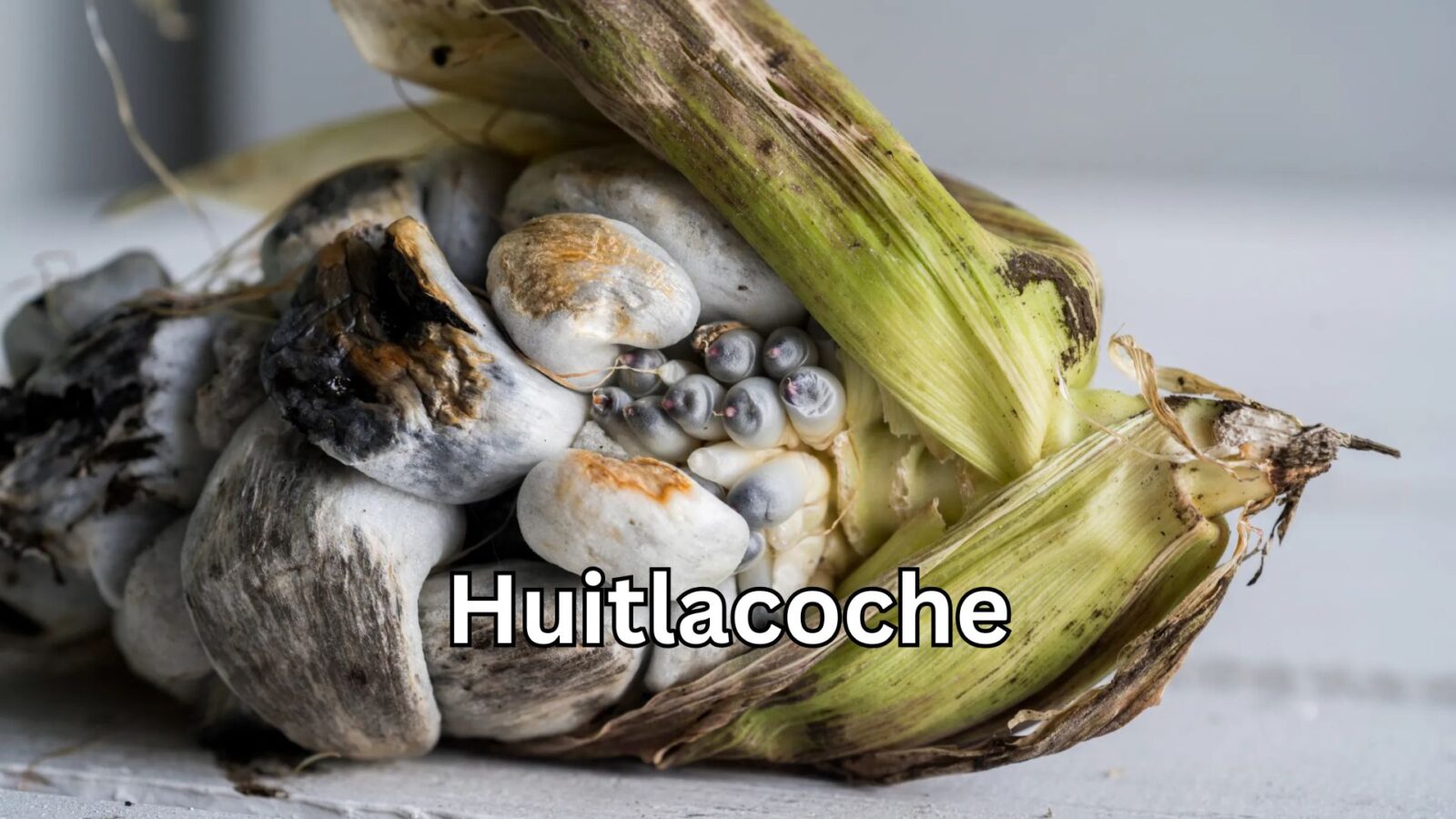
Huitlacoche is one of those rare foods that completely changes how we think about ingredients, flavor, and tradition. Often misunderstood outside its native land, this ancient delicacy has been cherished in Mexico for centuries and is now gaining global recognition for its deep umami taste, nutritional value, and cultural importance. What some once dismissed as a crop defect has become a celebrated culinary treasure, praised by chefs and food historians alike.
This article explores its origins, cultural roots, taste profile, health benefits, and growing international appeal, while keeping the focus on natural readability and long-term SEO value.
Origins and Cultural Roots of This Ancient Delicacy
Long before modern agriculture and global food trends, Indigenous Mesoamerican civilizations had already discovered the culinary potential of corn fungus. The Aztecs recognized it as a valuable food source and incorporated it into their daily diet. It was harvested carefully during the rainy season, when cornfields produced this unexpected but welcome growth.
Rather than viewing it as a problem, farmers saw it as a gift from nature. Over time, it became deeply embedded in traditional cooking practices, especially in central and southern Mexico. Recipes were passed down through generations, and the ingredient earned a respected place in local markets and family kitchens.
Spanish colonization changed many food habits, but this traditional ingredient survived, largely because of its unique flavor and affordability. While European settlers initially rejected it, Indigenous communities preserved its use, ensuring its survival into the modern era.
Flavor Profile and Culinary Appeal
The taste of this corn-based delicacy is often described as earthy, smoky, and slightly sweet, with a rich umami depth similar to mushrooms or truffles. Its texture becomes soft and almost creamy when cooked, making it incredibly versatile in the kitchen.
Chefs value it for its ability to absorb spices and aromatics while still maintaining its own character. When sautéed with onions, garlic, and herbs, it develops a complex flavor that enhances simple dishes without overpowering them. This balance is one of the reasons it has earned respect in both traditional street food and fine dining.
In Mexico, it is commonly used as a filling for tortillas, quesadillas, and tamales. In more contemporary settings, it appears in sauces, soups, risottos, and even gourmet pastries. Its adaptability has helped it cross cultural boundaries and appeal to adventurous eaters worldwide.
Huitlacoche in Traditional and Modern Cooking
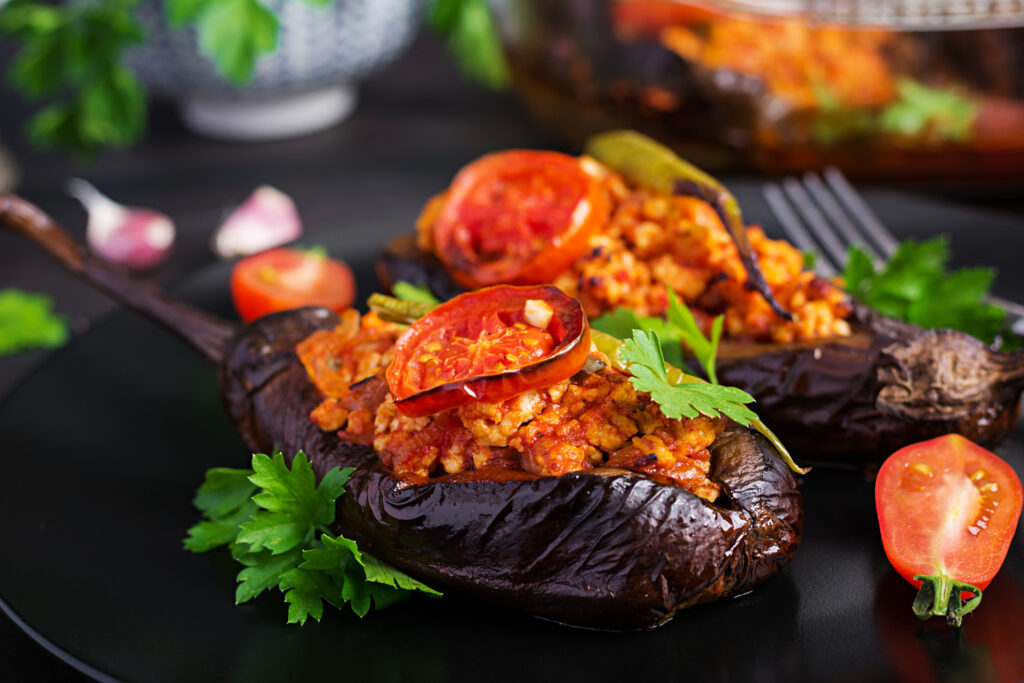
Huitlacoche plays a unique role in both home-style meals and professional kitchens. In rural communities, it remains a seasonal ingredient, enjoyed fresh and cooked simply to highlight its natural flavor. Families often prepare it with minimal ingredients, relying on technique rather than complexity.
In urban areas and high-end restaurants, chefs experiment with modern presentations while respecting its heritage. It may be paired with cheeses, roasted vegetables, or grains to create dishes that feel both familiar and innovative. This fusion of old and new has helped redefine how the world views traditional Mexican cuisine.
Outside Mexico, culinary schools and food festivals have begun to showcase it as an example of sustainable and culturally rich food. As global diners seek authentic experiences, this ingredient has become a symbol of culinary curiosity and respect for tradition.
Nutritional Value and Health Benefits
Beyond its taste, this ingredient offers impressive nutritional benefits. It is naturally low in fat and calories while providing essential nutrients such as protein, fiber, and amino acids. Compared to many plant-based foods, it contains a higher level of lysine, an amino acid important for tissue repair and immune support.
It also supplies minerals like iron, magnesium, and phosphorus, which contribute to energy production and bone health. Its antioxidant compounds help combat oxidative stress, supporting overall wellness when consumed as part of a balanced diet.
For those seeking plant-based or sustainable protein sources, this food stands out as a smart choice. Its nutritional profile has attracted interest from health-conscious consumers and researchers exploring alternative food systems.

Sustainability and Agricultural Importance
One of the most compelling aspects of this ingredient is its relationship with sustainable farming. Unlike many crops that require extensive resources, it grows naturally on corn under specific environmental conditions. In some regions, farmers even encourage its development as a secondary harvest.
This practice reduces waste and increases the overall value of cornfields. Instead of discarding affected crops, farmers can sell both corn and the fungus, improving economic stability. This dual-purpose approach aligns well with modern sustainability goals and regenerative agriculture.
As climate change challenges global food production, traditional practices like these offer valuable lessons. Embracing naturally occurring foods can help diversify diets and reduce reliance on resource-intensive farming methods.
Global Perception and Growing Popularity
For many years, people outside Mexico viewed this food with skepticism, largely due to unfamiliarity. However, perceptions are changing rapidly. International chefs, food writers, and documentaries have helped reframe it as a gourmet ingredient rather than an agricultural flaw.
In the United States and Europe, it is now featured in specialty stores and upscale restaurants. Culinary tourism has also played a role, as travelers return home eager to recreate flavors they experienced abroad. This exposure has transformed it into a symbol of authenticity and bold culinary exploration.
As global interest in traditional foods grows, this once-overlooked ingredient continues to gain respect and admiration.

Huitlacoche and Its Role in Modern Gastronomy
Huitlacoche has become a powerful example of how traditional foods can thrive in modern gastronomy. Its journey from local cornfields to international menus highlights the importance of cultural preservation and innovation working together. Chefs now use it to tell stories about heritage, sustainability, and respect for indigenous knowledge.
In culinary education, it is often discussed as a case study in redefining value. Students learn how perception influences what we consider edible or desirable. By embracing ingredients like this, the food industry moves toward a more inclusive and environmentally conscious future.
Its presence in modern cuisine is not a trend but a reflection of deeper shifts in how we approach food, culture, and sustainability.
Conclusion: A Timeless Ingredient with a Bright Future
From ancient Mesoamerican fields to contemporary global kitchens, this remarkable food has proven its staying power. Its rich flavor, nutritional strength, and cultural significance make it far more than a curiosity. It represents resilience, creativity, and respect for nature’s unpredictability.
As more people discover its value, this ingredient continues to bridge the gap between tradition and innovation. Whether enjoyed in a simple homemade dish or a refined restaurant creation, it offers a meaningful connection to history and a promising path toward sustainable eating.
In a world constantly searching for the next superfood, this centuries-old treasure reminds us that some of the best ingredients have been with us all along.
Also Read: CNLawBlog: A Powerful and Positive Resource Transforming Legal Knowledge Online