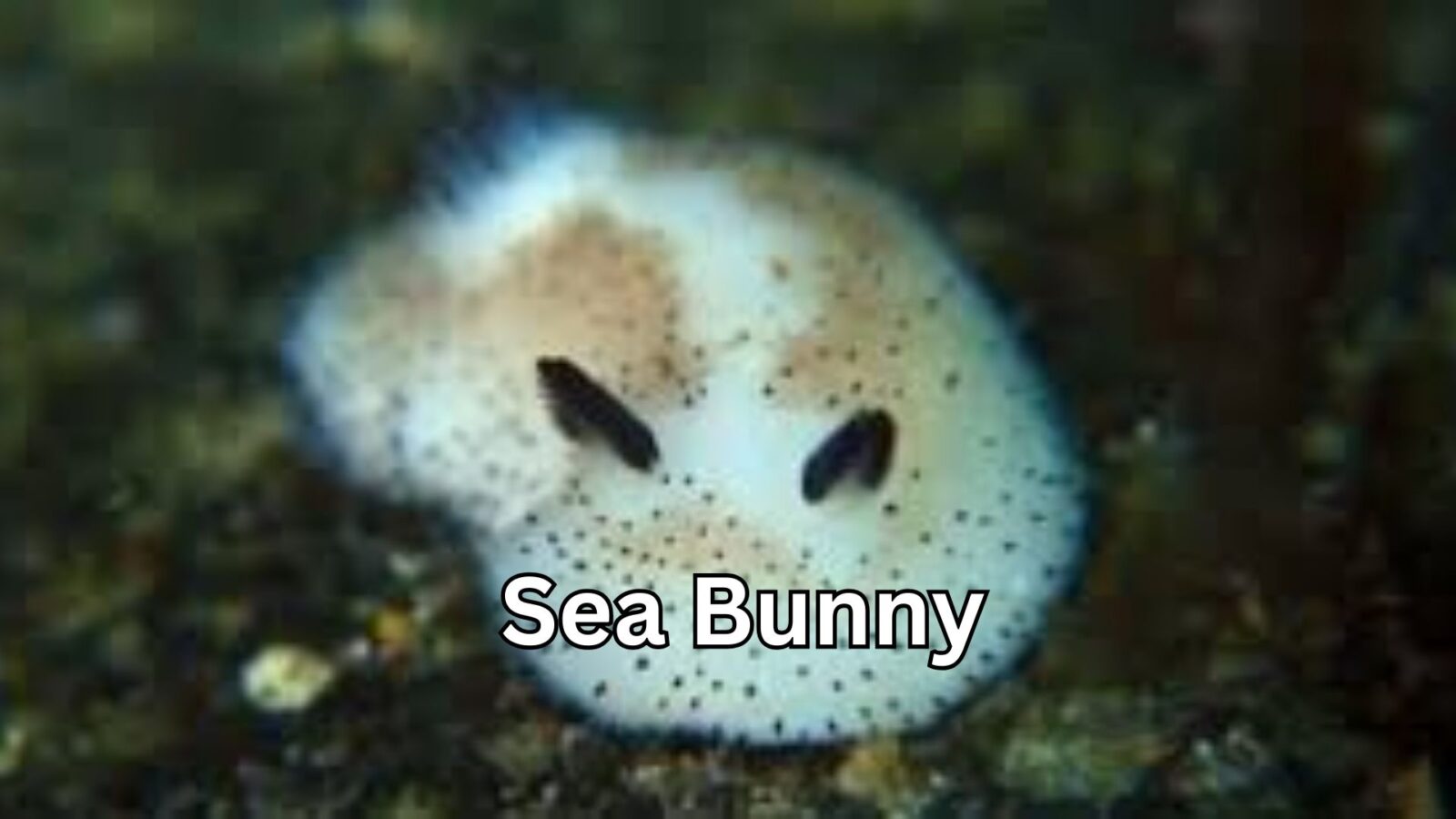
Sea bunny is a name that instantly sparks curiosity, and for good reason. This tiny marine animal looks like something straight out of a fantasy world, yet it is very real and scientifically intriguing. Belonging to a group of sea slugs known as nudibranchs, this creature has captured global attention for its adorable appearance, unusual biology, and clever survival strategies. Beyond the viral photos and charming looks lies a complex organism perfectly adapted to life beneath the waves.
Often mistaken for a plush toy or animated character, this animal thrives in coastal waters where it quietly plays an important ecological role. Its story is not just about cuteness but also about evolution, chemistry, and adaptation. Understanding it more deeply reveals how even the smallest ocean dwellers can be surprisingly powerful.
What Makes the Sea Bunny So Unique
At first glance, the most striking feature is its fluffy appearance. The soft, fur-like texture is actually made up of tiny rod-shaped structures called caryophyllidia. These structures are sensory organs that help the animal feel its surroundings and detect chemical signals in the water. The “ears” that give it a rabbit-like look are rhinophores, which are specialized organs used for sensing smells and changes in the environment.
Unlike many brightly colored marine species that rely on vivid warning patterns, this creature often appears white or lightly tinted with pastel shades. This subtle coloring does not mean it is defenseless. Instead, it signals a more refined survival approach that blends camouflage with chemical protection. Its small size, usually less than an inch long, allows it to move slowly across the ocean floor without attracting too much attention.
Sea Bunny Habitat and Natural Environment
This species is most commonly found in the cold to temperate waters of the Indo-Pacific region, particularly near Japan, the Philippines, and Australia. It prefers shallow coastal areas where sponges and algae are abundant. Rocky reefs and tide pools provide the perfect environment, offering both food and shelter from strong currents.
The animal spends most of its life crawling along surfaces rather than swimming freely. This bottom-dwelling lifestyle allows it to feed efficiently while staying relatively hidden from predators. Seasonal changes in water temperature can influence where populations appear, which is why sightings may increase during certain times of the year.
Although it looks delicate, it is well adapted to its environment. Its body structure helps it cling to surfaces, even in moving water, ensuring it does not get swept away easily. This balance between softness and resilience is one of the reasons it thrives in such dynamic habitats.

Diet, Feeding Behavior, and Chemical Defense
The diet mainly consists of toxic sponges found on reefs. By feeding on these organisms, it absorbs and repurposes their chemical compounds. These toxins are stored in its body and make it unappealing or even dangerous for predators to eat. This process, known as sequestration, is a brilliant evolutionary strategy that turns food into armor.
Interestingly, the animal does not simply tolerate these toxins but uses them as a defense mechanism. Predators that attempt to bite it often release it quickly after detecting the unpleasant chemicals. This reduces the need for speed or physical strength, allowing the creature to survive through chemistry rather than aggression.
Feeding is a slow and methodical process. Using a specialized radula, a ribbon-like structure with tiny teeth, it scrapes food from surfaces. This careful approach ensures it gains enough nutrients while minimizing exposure to threats.
Reproduction and Life Cycle in the Wild
Like most nudibranchs, this species is hermaphroditic, meaning each individual has both male and female reproductive organs. Despite this, self-fertilization is rare. Instead, two individuals exchange genetic material during mating, which increases genetic diversity within the population.
After mating, they lay delicate egg ribbons on hard surfaces. These ribbons often appear as small, spiral-shaped patterns and contain dozens of tiny eggs. Over time, the eggs hatch into larvae that drift with ocean currents before settling and transforming into their adult form.
This drifting stage is crucial for population spread, allowing the species to colonize new areas. However, it also exposes the larvae to environmental changes, making them sensitive indicators of ocean health.
Why the Sea Bunny Became an Internet Sensation
The rise of underwater photography and social media played a major role in making this creature famous. Photos showcasing its soft texture and bunny-like features quickly went viral, earning it a reputation as one of the cutest animals in the ocean. Its popularity helped introduce many people to the lesser-known world of nudibranchs.
This sudden fame has had both positive and negative effects. On one hand, it sparked interest in marine biology and ocean conservation. On the other hand, it raised concerns about disturbance in natural habitats, as more divers seek close encounters for photographs.
Responsible observation is essential. Admiring marine life from a distance ensures that these animals continue to thrive without unnecessary stress or harm.

Ecological Importance and Conservation Awareness
Despite its small size, this species plays a meaningful role in marine ecosystems. By feeding on sponges, it helps maintain balance within reef communities. Its presence can also indicate the health of its environment, as it relies on specific food sources and clean water conditions.
Climate change, pollution, and habitat destruction pose growing threats. Rising sea temperatures and chemical runoff can affect sponge populations, indirectly impacting this animal’s survival. Protecting coastal ecosystems is therefore crucial not only for large marine life but also for these tiny yet significant creatures.
Conservation efforts that focus on reef protection, reduced pollution, and sustainable tourism benefit a wide range of species. Learning about organisms like this one helps highlight how interconnected ocean life truly is.
The Lasting Charm of the Sea Bunny
The appeal of the sea bunny goes far beyond its adorable appearance. It represents the incredible diversity of life in the ocean and demonstrates how evolution can produce both beauty and efficiency. From its chemical defenses to its unique sensory structures, every aspect of its design serves a purpose.
By understanding and respecting this remarkable creature, we gain a deeper appreciation for marine ecosystems as a whole. Its story reminds us that even the smallest animals can have a big impact, inspiring curiosity, scientific study, and a stronger commitment to protecting our oceans for generations to come.
Also Read: Toyota vs Honda Reliability: The Ultimate Positive Breakdown for Long-Term Owners