PCSX2 BIOS – A Powerful Key to Ultimate PlayStation 2 Emulation
PCSX2 BIOS – A Powerful Key to Ultimate PlayStation 2 Emulation

The PCSX2 BIOS is the heart of the PlayStation 2 emulation experience, transforming your PC into a fully functional PS2 console. If you’ve ever wanted to relive classic games from Sony’s legendary era—titles like God of War, Shadow of the Colossus, and Gran Turismo 4—PCSX2 makes it possible, and BIOS is the crucial piece that makes the magic happen. Without it, the emulator can’t replicate the true hardware environment needed to play your favorite games exactly as they were meant to be experienced. This guide explains what a BIOS file is, why it’s essential, and how it plays a critical role in optimizing performance, compatibility, and faithful game reproduction on modern systems. Understanding the Role of BIOS in PCSX2 “BIOS” stands for Basic Input/Output System, a term used across computing to describe a file that initializes hardware and operating instructions. In gaming emulation, the PCSX2 BIOS mirrors the behavior of a real PlayStation 2 console. It enables the emulator to communicate directly with the game just like Sony’s original system. Without BIOS, the emulator simply can’t interpret loading sequences, regional data, or memory card functions correctly. That’s why users must acquire a legally obtained BIOS file from an actual PlayStation 2 console they own. This step ensures ethical emulation and complete compatibility with the emulator. Once correctly configured, the emulator runs almost identically to a console—supporting the same menus, system sounds, and boot screen nostalgia that make the gaming experience authentic. Setting Up the BIOS for Smooth Gameplay Installing the BIOS on PCSX2 may sound technical, but the process is intuitive. After launching the emulator for the first time, you’ll be prompted to configure its path to the BIOS folder. When properly loaded, PCSX2 recognizes the file and initializes like a real PlayStation 2 boot sequence. Choosing the correct region-specific BIOS matters, as it influences compatibility and performance. For example, using a European BIOS (PAL) yields different video refresh rates compared to North American (NTSC) files. Matching your BIOS to the region of your games usually ensures optimal results. Updating to the latest version of PCSX2 is equally critical. With each update, the emulator improves how it interacts with BIOS functions, enhancing overall accuracy, graphics rendering, and input response. Legal and Ethical Considerations It’s important to emphasize that obtaining a PCSX2 BIOS file from unofficial sources is illegal. The BIOS is proprietary software owned by Sony Interactive Entertainment, meaning users must extract it from their own PS2 console through legitimate methods. This keeps emulation within fair-use boundaries. Fortunately, several community guides explain how to dump BIOS legally using free tools. Once acquired, it belongs to you for personal use with the emulator. By respecting this process, you help maintain the integrity of the emulation community—ensuring long-term access to beloved games without infringing copyright laws. Optimizing PCSX2 Performance with BIOS Configuration Your BIOS choice and configuration significantly influence how smoothly PS2 titles run on PCSX2. Once the BIOS initializes correctly, you’ll access the console’s system menu—the same interface where memory cards, language options, and clock settings are adjusted. This setup mirrors the physical console environment, enabling games to boot, save, and operate exactly as intended. From here, you can fine-tune other emulator settings—such as frame rate, aspect ratio, or audio quality—to further refine gameplay. In most scenarios, using the latest BIOS extracted from your genuine console ensures greater stability, especially when paired with updated plugins. PCSX2’s plugin ecosystem allows additional calibration, delivering near-perfect rendering and faster load times. The Importance of BIOS in Compatibility and Accuracy The PCSX2 BIOS doesn’t just initiate hardware—it determines how accurately the emulator replicates real PS2 architecture. Every console region had unique firmware that influenced timing, memory allocation, and even controller input. Having the right BIOS bridges those subtle differences, letting each game behave exactly as it would on its native system. For instance, rhythm-based titles rely heavily on synchronization. Without a proper BIOS file, delays appear noticeable. Similarly, certain RPGs or Japanese-exclusive titles may fail to start if the wrong regional BIOS is in use. Therefore, configuring the correct BIOS is essential for optimal gameplay and complete library compatibility. Evolution of PCSX2 and Its Growing Community Since its launch in the early 2000s, PCSX2 has become the most advanced and trusted PlayStation 2 emulator. The optimization of BIOS support contributed heavily to its success, fueling an active community of enthusiasts, developers, and preservationists. Continuous improvements from the development team have pushed the emulator’s performance to support nearly all PlayStation 2 games with impressive accuracy. Today, players benefit from high-definition rendering, texture scaling, and customization unheard of on the original console. Community-driven progress ensures that even decades-old games remain playable and beautiful on modern PCs, laptops, and Steam Decks. The continued dedication of developers highlights how crucial BIOS remains—not only as a technical requirement but as a symbol of game preservation through legal digital adaptation. Troubleshooting Common BIOS Issues Although the setup process is straightforward, users occasionally encounter challenges when configuring BIOS within PCSX2. Missing files, incorrect regions, or corrupted archives are common culprits. If your emulator fails to boot or displays a black screen, check that you’ve directed PCSX2 to the exact folder containing your legally obtained BIOS file. Ensure the folder permissions allow full access and confirm that the filename matches the supported extensions (.bin, .rom). Reinstalling PCSX2 with administrative rights can also eliminate read errors. Remember, the emulator requires BIOS only once for initialization; afterward, all configuration data saves for future sessions. Updates to PCSX2 automatically migrate BIOS settings, ensuring continuity across versions. Preserving the Legacy of PlayStation 2 The PlayStation 2 era defined gaming for an entire generation. Its catalog of titles, ranging from breathtaking adventures to unforgettable sports classics, deserves to be experienced without barriers. The PCSX2 BIOS provides that bridge—reviving memories without the constraints of aging console hardware. Through legal extraction and emulator integration, the BIOS allows current and future gamers to explore PS2 masterpieces while honoring the original design. With every playthrough, the BIOS quietly ensures that every loading screen, animation, and soundtrack stays … Read more


How to Stop Lying: Powerful Steps to Build an Honest Life

How to Stop Lying: Powerful Steps to Build an Honest Life

Learning how to stop lying can feel overwhelming, especially if dishonesty has become a habit. Whether it’s small white lies or more serious deceptions, the act of lying often brings guilt, damages trust, and erodes self-respect. But the good news is—just as it’s possible to learn to lie, it’s also possible to learn to live truthfully. The journey toward honesty is difficult but deeply rewarding, opening the path to integrity, peace of mind, and genuine relationships. This article explores why people lie, the hidden costs of deception, and practical, actionable strategies to help you break free from this behavior once and for all. Understanding Why People Lie Before you can change a habit, you must first understand its roots. Lying often starts as a self-protection mechanism. People tell falsehoods to avoid conflict, punishment, or embarrassment. In some cases, lying is driven by fear of rejection or the desire to appear more successful than they really are. Lies can begin innocently, but over time they grow like weeds—spreading through conversations, damaging trust, and leaving lasting consequences. Many individuals don’t even realize how frequently they lie until they take time to observe their daily communication. Recognizing why lying occurs is the first step in overcoming it. Whether the cause is insecurity, fear, habit, or stress, awareness shines a light on behavior that thrives in darkness. The Real Cost of Dishonesty Every lie you tell might protect you momentarily, but it comes at a long-term price. Lies create emotional distance—between you and others, but also within yourself. Over time, dishonesty breeds anxiety, guilt, and a constant fear of being exposed. Trust, once broken, is hard to rebuild. It’s like shattering glass—repairable, perhaps, but never quite the same. Friends, partners, and colleagues lose confidence, and relationships grow fragile. Even if people forgive you, they may not forget your deception. When lying becomes habitual, it can also cause deep internal conflict. You start questioning your identity, doubting your words, and losing respect for yourself. Honesty, in contrast, feels liberating—it frees you from the exhausting work of pretending. Recognizing When and Why You Lie One of the most profound exercises in breaking the lying habit is to notice when and what triggers it. Do you lie to avoid blame? To appear more competent? Or simply because it feels easier than explaining the truth? Journaling can help uncover patterns. Write down situations that tempt you to twist facts. Often, you’ll notice the urge to lie arises from discomfort or insecurity. For example, someone might lie about being busy to skip a task, or exaggerate success to impress. Once you see these triggers clearly, you can begin to face them honestly. Understanding your motivation doesn’t excuse lying—but it gives you the insight needed to correct it. How to Stop Lying and Rebuild Trust Change requires intention and practice. Honesty won’t appear overnight, especially if you’ve relied on dishonesty for years. But small, consistent shifts can transform both your inner peace and your relationships. Confront the Habit and Accept Responsibility Admitting you have a lying problem isn’t weakness—it’s strength. Facing yourself honestly is the foundation of change. Accepting responsibility pulls you out of denial and empowers you to take control. When you catch yourself about to lie, pause. Think about why you’re compelled to do it. Choose silence or honesty, even if it’s uncomfortable. Over time, this conscious interruption weakens the old habit loop. Replace Lies with Truth in Small Steps If you’ve been lying for years, abrupt transformation may not be realistic—but gradual honesty is achievable. Begin practicing honesty with the little things first. The relief you’ll feel each time will reinforce your belief that integrity is lighter to carry than falsehood. The more you practice honesty, the stronger that muscle becomes. Eventually, telling the truth feels natural—lying begins to feel unnecessary and burdensome. Build Self-Worth and Heal the Root Cause Most lies trace back to low self-esteem or fear. When you feel inadequate, lying seems like a defense to protect your image. But the real solution is healing your self-worth. Practice self-compassion. Remind yourself that vulnerability isn’t shameful—it’s powerful. People appreciate authenticity more than perfection. Owning your truth—even your flaws—earns you deeper respect. Strengthen Accountability Tell someone you trust that you’re trying to change. Having an accountability partner—whether a close friend, therapist, or mentor—keeps your progress transparent. Their support can help you stay consistent and honest, even when it’s hard. Accountability transforms private promises into public commitments. When others know your goal, you gain both motivation and encouragement. Learn to Handle Consequences with Courage The fear of facing consequences often sustains lies. But when you learn to accept responsibility without escaping through dishonesty, you discover emotional maturity. Apologize when necessary, make amends, and accept the outcome. Over time, the discomfort fades, replaced with pride and peace. It’s better to face a moment of embarrassment than to live a lifetime of pretending. Emotional Freedom Through Truth As you let go of deceit, your mental and emotional space will expand. Honesty cleanses your conscience. You’ll notice lower anxiety levels, smoother communication, and more fulfilling relationships. Even simple things—like speaking without hesitation—become deeply freeing. Truth has a grounding effect—it aligns who you are with what you say. Living transparently helps you reconnect with your authentic self, restoring balance and confidence. Rebuilding Trust with Others If your lies have damaged relationships, redemption is still possible. The key is patience. People need time to see you’ve changed. Be consistent—don’t promise honesty; show it through actions. Avoid defensive justifications and acknowledge the pain your dishonesty caused. Over time, consistent truthfulness and authenticity will rebuild the bridges that lies once burned. Healing takes time, but when others recognize your growth, their faith follows—and so does self-respect. The Long-Term Benefits of Living Honestly Living truthfully doesn’t just fix relationships—it enhances your entire life. Honesty promotes healthier communication, stronger boundaries, and emotional calm. It clears the mental clutter caused by lies and inconsistency. Professionally, honesty builds credibility. Personally, it nurtures deeper love and connection. Spiritually, … Read more

Understanding Acceleration Due to Gravity: A Powerful Force of Nature

Understanding Acceleration Due to Gravity: A Powerful Force of Nature

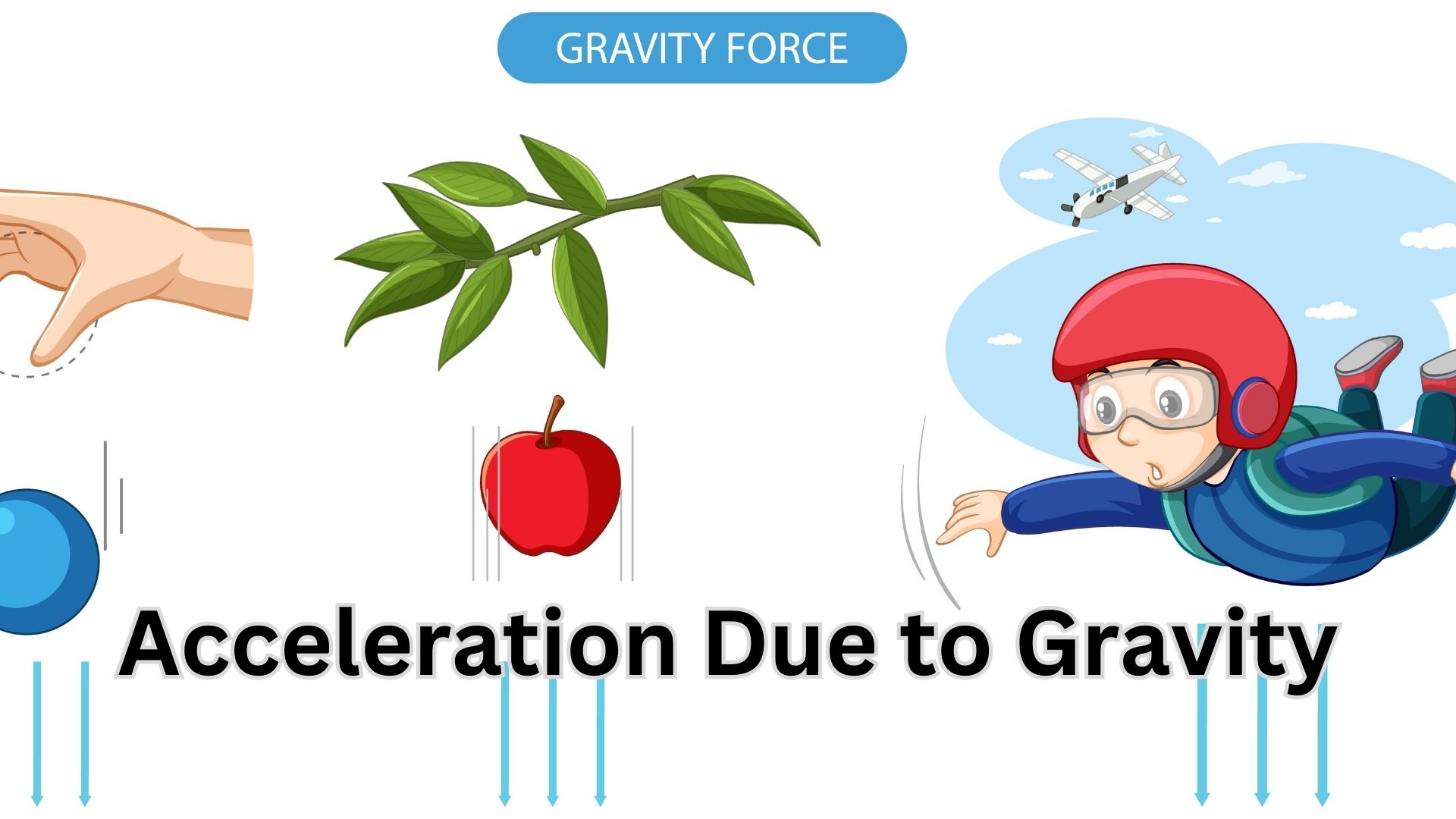
The concept of acceleration due to gravity has fascinated scientists, students, and thinkers for centuries. It’s the invisible yet powerful force that shapes our world—causing an apple to fall, keeping oceans grounded, and guiding planets in their endless dance around the sun. Represented by the symbol ‘g,’ this natural constant defines how objects accelerate when pulled toward Earth’s surface. Though often simplified as 9.8 m/s², its importance reaches far beyond a single number—it forms the foundation for physics, engineering, and even space exploration. The Science Behind Acceleration and Gravity Gravity is one of the four fundamental forces of nature. Unlike electromagnetic or nuclear forces, which dominate at microscopic scales, gravity governs massive celestial structures—from falling stones to galaxies. The term acceleration due to gravity refers to the rate at which an object’s velocity increases as it moves toward Earth’s center. In physics terms, it’s the measure of Earth’s gravitational influence on a body’s motion. Scientists define it mathematically as: [ g = \frac{F}{m} ] Here, (F) represents the gravitational pull experienced by an object, while (m) denotes its mass influencing that force. Near the Earth’s surface, this produces an acceleration of approximately 9.81 m/s². Though that figure may seem constant, it subtly varies depending on location, altitude, and Earth’s rotation. The Gravitational Constant and Universal Attraction To truly understand acceleration due to gravity, we look to Newton’s Law of Universal Gravitation. Newton discovered that every two masses attract one another with a force directly proportional to their masses and inversely proportional to the square of the distance between them: [ F = G \frac{m_1 m_2}{r^2} ] Here, (G) represents the universal gravitational constant (6.674 × 10⁻¹¹ N·m²/kg²), (m_1) and (m_2) are the two masses, and (r) is the distance separating them. When this equation applies to Earth, it explains why all objects fall at the same rate regardless of their mass—because the acceleration, (g), depends only on Earth’s mass and radius, not the object itself. The Mathematical Derivation If we combine Newton’s law and the relationship between force and acceleration, we derive: [ g = G \frac{M}{R^2} ] where (M) is Earth’s mass and (R) is its radius. Substituting known values for (G), (M), and (R) gives the familiar 9.8 m/s². This calculation shows that gravity results from the immense mass of Earth exerting force over an enormous distance. Factors Influencing Gravitational Acceleration Even though the canonical value is 9.8 m/s², gravitational acceleration varies slightly across locations due to several factors. 1. Altitude As you move away from the Earth’s surface, the distance between you and Earth’s center increases. Because gravity weakens with distance, g decreases slightly at higher altitudes. This explains why astronauts in orbit experience microgravity. 2. Latitude Earth’s rotation and slight bulging at the equator alter gravity’s pull. Gravitational acceleration is stronger at the poles (around 9.83 m/s²) and weaker near the equator (around 9.78 m/s²). 3. Geological Composition Mountains, ocean trenches, and density variations beneath Earth’s crust create minor fluctuations in local gravitational strength. Modern gravimeters can detect these small differences and are used for geological mapping. These variations might be imperceptible in daily life, but for physicists and engineers, they are crucial for accurate calculations in navigation, surveying, and satellite motion. The Legacy of Discovery The story of acceleration due to gravity begins with Galileo Galilei in the 16th century. Through his famous inclined‑plane experiment, he observed that objects, regardless of mass, accelerated at the same rate when friction was negligible. This discovery shattered centuries of Aristotelian belief that heavier bodies fall faster than lighter ones. A few decades later, Isaac Newton provided the mathematical framework to explain Galileo’s observations. His laws unified the movement of celestial bodies and falling objects under a single principle of universal gravitation. Centuries afterwards, Albert Einstein expanded this concept with his General Theory of Relativity, redefining gravity as a curve in spacetime created by mass. According to Einstein, the 9.8 m/s² we experience on Earth isn’t a pull, but the natural path (geodesic) objects follow through curved spacetime. Together, these thinkers helped us move from mystical explanations of falling objects to a deep understanding of the law that binds the universe together. Measuring Gravitational Acceleration on Earth Scientists have devised several experiments to measure g accurately. The free‑fall method involves measuring how quickly an object’s velocity increases as it drops from a known height. Using sensors or precise timing equipment, this approach can determine local variations to a very fine degree. The simple pendulum method remains another classic experiment. The time it takes for a pendulum to complete a full swing depends directly on gravity. By adjusting the pendulum’s length and timing its oscillations, we can calculate g using the formula: [ g = \frac{4\pi^2 L}{T^2} ] where (L) is the pendulum’s length and (T) is its period. In recent years, sophisticated instruments like gravimeters and laser Doppler devices have allowed measurement accuracy up to micro‑level variations. These instruments contribute to geophysics, meteorology, and even oil exploration. Practical Implications in Daily Life Gravity’s acceleration affects nearly every human activity even if we don’t notice it. Engineers account for it when designing bridges, ensuring safe load bearing. Architects use gravitational calculations to determine building stability. Every athlete’s trajectory, every rocket launch, and every waterfall is determined by gravity’s unchanging influence. In aerospace engineering, precise knowledge of gravitational acceleration enables the prediction of flight paths and orbital mechanics. Satellite systems depend on accurate gravity models to maintain stable orbits. Even smartphones employ gravitational sensors for screen orientation and motion tracking. Without understanding g, modern technology—from elevators to GPS systems—would not function with the precision we rely on today. Beyond Earth: Gravity Across the Solar System The value of g differs widely across planets. On the Moon, it’s about 1.6 m/s²—just one‑sixth that of Earth, allowing astronauts to take large moon‑hops. On Mars, it’s 3.7 m/s², while Jupiter’s towering mass exerts a g of about 24.8 m/s². These differences dramatically influence planetary atmospheres, escape velocities, and potential habitability. Future missions to Mars and beyond depend on understanding how gravity differs from Earth’s. Equipment, habitats, … Read more