Ducks vs Oilers Sabotage: The Brutal 2026 Playoff Truth That Will Shatter Edmonton’s Stanley Cup Dreams
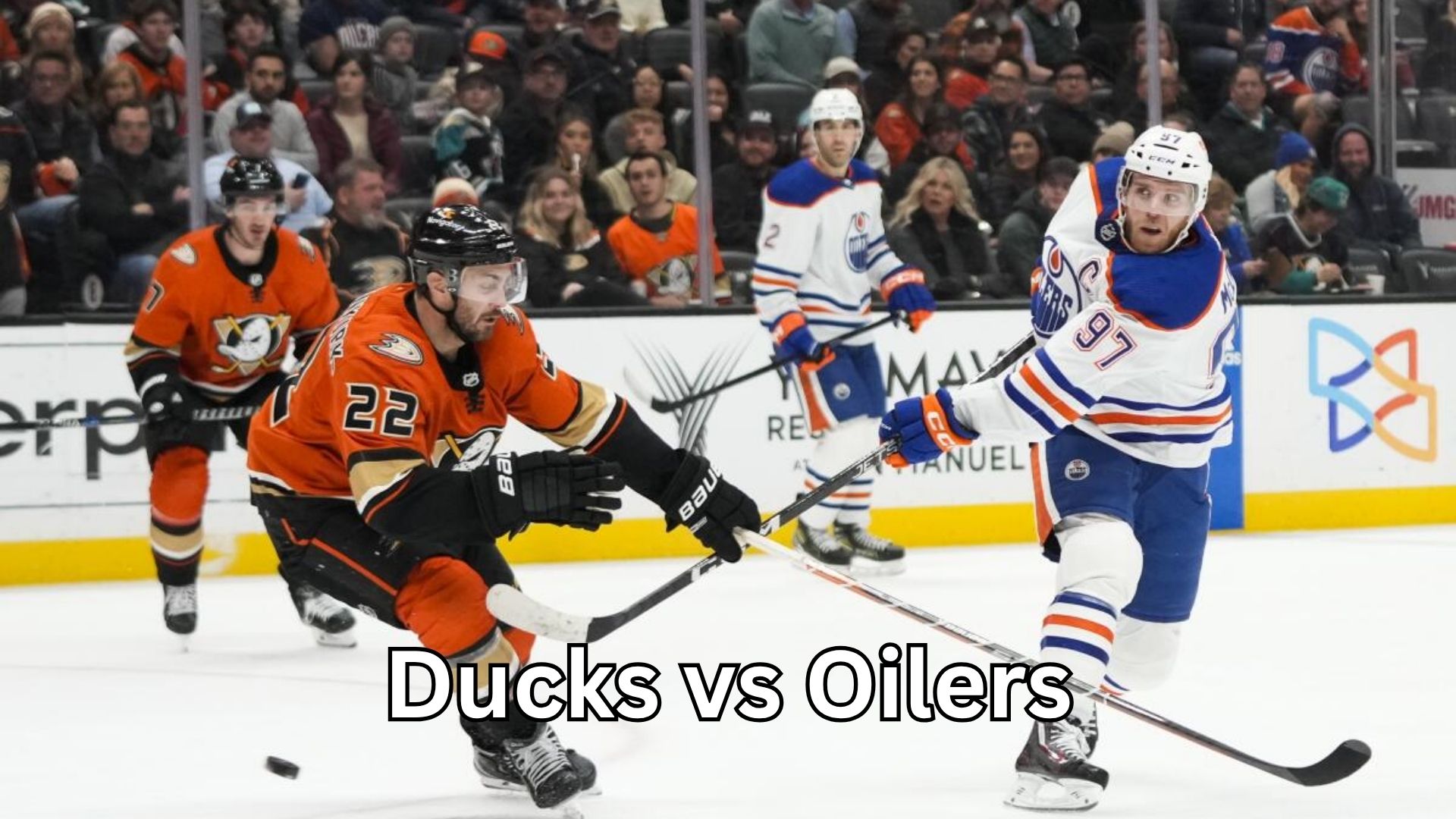
Ducks vs Oilers feels like a cruel cosmic joke in 2026. The hockey gods have arranged a first-round collision that nobody in Edmonton wanted and nobody in Anaheim expected to win. The Oilers enter as heavy favorites, carrying the scar tissue of consecutive Stanley Cup Final heartbreaks. The Ducks arrive as the youngest playoff roster in modern NHL history, blissfully unaware they are supposed to lose. Before you pencil Connor McDavid into the second round, understand the hidden statistical nightmare that has haunted this matchup for nearly a decade and the one fatal flaw in Edmonton’s armor that Anaheim’s speed is perfectly designed to exploit. The entire hockey world watched the regular season series unfold with a mixture of disbelief and morbid curiosity. The upstart Ducks did not just compete with the mighty Oilers. They embarrassed them. Twice. At Rogers Place. And now those same two teams must wage a best-of-seven war with everything on the line. The Haunting Ghost of Two Thousand Seventeen To understand why this particular Pacific Division clash sends shivers down the spines of Edmonton fans, you must excavate a memory most have tried desperately to bury. The year was 2017. Connor McDavid had just completed his first fully healthy NHL season, capturing the Art Ross Trophy and the Hart Memorial Trophy as the league’s most valuable player. He was twenty years old and already the undisputed king of hockey. The Oilers drew the Anaheim Ducks in the second round of the Western Conference playoffs. What followed was a seven-game masterpiece of agony. Edmonton surged to a two-game lead on the road. The city of Edmonton dared to dream. Then the Ducks, a veteran-laden machine featuring Ryan Getzlaf, Corey Perry, and Ryan Kesler, systematically dismantled the youthful exuberance of the Oilers. They won three consecutive elimination games, including a double-overtime thriller in Game 5 that saw the Ducks erase a three-goal deficit with just three minutes and sixteen seconds remaining in regulation. That collapse remains the single most devastating regular period of hockey in Oilers franchise history since the Steve Smith own-goal in 1986. The Ducks won Game 7 by a score of 2-1. Nick Ritchie, of all people, scored the series-winning goal on a fluttering puck that Cam Talbot simply missed. McDavid skated off the Honda Center ice with tears in his eyes, a generational talent denied by a wall of orange jerseys and playoff savvy. The Astonishing Role Reversal of Two Thousand Twenty Six Nine years have passed. The calendar now reads April 2026. Everything has changed, yet nothing has changed. The Edmonton Oilers are no longer the naive upstarts. They are the battle-hardened veterans who have suffered the most painful fate imaginable: losing in the Stanley Cup Final in consecutive seasons to the exact same opponent, the Florida Panthers. This roster knows the weight of expectation. They understand the physical toll of playing deep into June. They carry the quiet desperation of a core that may never get another chance if they fail again. The Anaheim Ducks are the polar opposite. They are the youngest team to qualify for the Stanley Cup Playoffs since the 1980s. General Manager Pat Verbeek orchestrated a scorched-earth rebuild that landed franchise cornerstones Leo Carlsson, Cutter Gauthier, and Beckett Sennecke. Their average age on the blue line hovers around twenty-three years old. Goaltender Lukas Dostal emerged as a Vezina Trophy finalist this season, but he has never played a single minute of postseason hockey in North America. By every conceivable metric of experience, the Ducks should be terrified. They should be overwhelmed. Yet, when the puck dropped for their four regular season meetings, the kids from Orange County treated the Oilers like a practice squad. The Shocking Regular Season Ownership The four-game season series between these two clubs in the 2025-26 campaign was not close. It was a systematic humiliation. Anaheim won three of the four contests, including two victories at Rogers Place where the Edmonton crowd was silenced into a state of stunned disbelief. The most alarming result came on a frigid Tuesday night in late January. The Ducks waltzed into Edmonton and delivered a 6-1 thrashing that felt even more lopsided than the scoreboard indicated. McDavid was held without a point. Leon Draisaitl finished the night with a minus-four rating. The Ducks’ young defense corps, led by the rapidly improving Olen Zellweger and Pavel Mintyukov, completely neutralized the most feared offensive duo on the planet. This was not a case of the Oilers taking a night off. This was a tactical masterclass executed by Ducks head coach Greg Cronin. The Ducks deployed a neutral zone trap that forced Edmonton’s defensemen to make long, low-percentage stretch passes. When those passes inevitably missed their mark, Anaheim’s fleet-footed forwards turned the puck back up ice with terrifying speed. The Oilers’ defensive unit, which has been the subject of intense scrutiny for years, looked as if they were skating in quicksand. Darnell Nurse and Evan Bouchard, despite their offensive gifts, consistently lost foot races to the fresh legs of Gauthier and Sennecke. This is the precise matchup nightmare that keeps Edmonton’s front office awake at night. The Hidden Fatal Flaw of the Edmonton Oilers Every hockey analyst in North America will tell you the same story. Edmonton possesses the two best forwards in the world. McDavid and Draisaitl are cheat codes. When the game is on the line, you simply throw number ninety-seven over the boards and wait for magic to happen. This narrative is not wrong, but it is dangerously incomplete. The Oilers have a glaring structural weakness that the Ducks are uniquely positioned to eviscerate. Edmonton’s defensive depth is paper thin. After the top pairing, the drop-off is precipitous. The third defensive pairing for the Oilers has been a rotating cast of journeymen and aging veterans who cannot keep pace with the modern NHL’s speed. The Ducks do not just have one fast forward line. They have three. Trevor Zegras, when he is not busy deking defenders … Read more